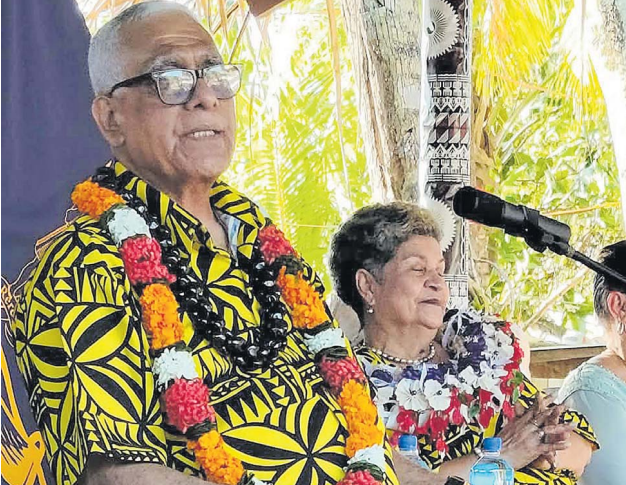
Fiji’s Constitutional Review Commission is currently weighing a contentious proposal from the Great Council of Chiefs (GCC) to reserve the term Fijian exclusively for indigenous citizens. The debate, which pits competing visions of national identity against one another, has drawn sharp criticism from political leaders and civil society groups alike.
The Great Council of Chiefs Seeks Exclusive Rights to the Term Fijian

The debate ignited following a submission to the Constitutional Review Commission by the Great Council of Chiefs, an institution representing the heritage and culture of the iTaukei people. The GCC has formally proposed that the term Fijian be reserved solely for indigenous people. Beyond this, the institution suggested repealing Fiji’s status as a secular state, replacing it with the word Christian, and removing existing protections related to sexual orientation and gender.
These proposals have faced intense scrutiny. According to reporting from RNZ, a former prime minister labeled the move racially divisive, while various civil society organizations warned that the changes would undermine equality and democratic principles.
Ratu Tevita Mara Proposes Reverting to Fiji Islander
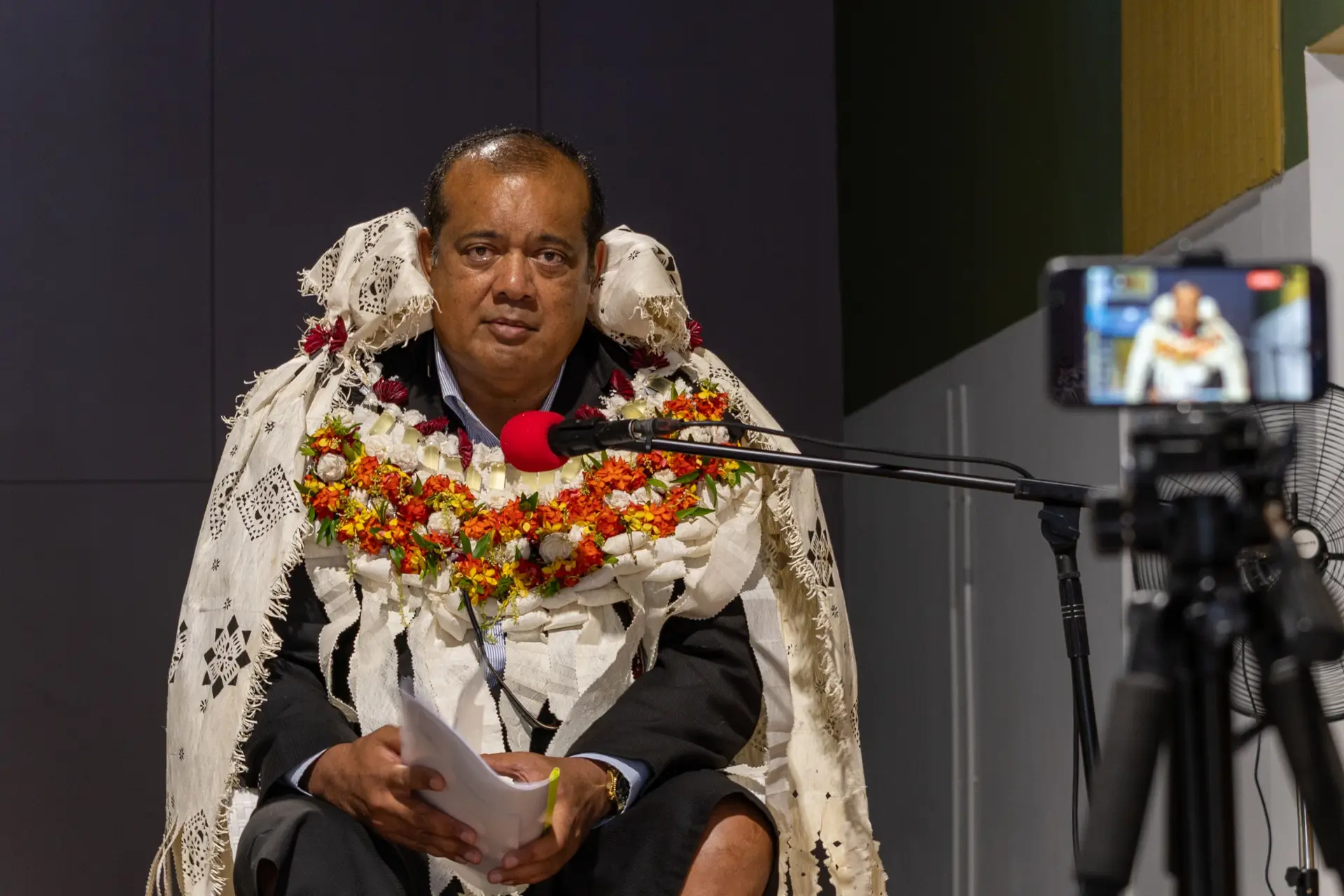
Ratu Tevita Lutunauga Kapaiwai Uluilakeba Mara, the paramount chief of Lau Province and son of Fiji’s first prime minister, has emerged as a key voice calling for consensus. In a statement, Ratu Tevita argued that the current friction stems from a failure to distinguish between civic nationality and cultural heritage.
“Common identity in Fiji is one that touches the very soul of our nation and it deserves honest, respectful, and consultative resolution. We owe that much to each and every one who calls Fiji home,” Ratu Tevita said, via RNZ.
Ratu Tevita emphasized that nationality is a shared civic bond, while ethnicity is the beautifully distinct heritage of Fiji’s various communities. He cautioned that conflating the two creates unnecessary confusion. He suggested that the country could return to using Fiji Islander—a term used under the 1997 Constitution—to denote a common nationality while allowing Fijian to be settled through broader consultation.
President Ratu Naiqama Lalabalavu Advocates for the Term Kai Viti
The political landscape remains divided on how to proceed. President Ratu Naiqama Lalabalavu recently advocated for a dual-identity approach, suggesting that every citizen—regardless of birth or naturalization—should be known as Fijian, while indigenous Fijians use Kai Viti as their specific ethnic identifier. As reported by The Fiji Times, Ratu Naiqama argued that this distinction would simultaneously strengthen national unity and preserve indigenous identity.
However, constitutional scholar Distinguished Professor Steven Ratuva offers a different historical interpretation. He argues that iTaukei is the more appropriate term for indigenous people because it captures their deep-rooted relationship with their land and history, whereas Fijian is a European-derived term originating from colonial interpretations of Viti.
| Identity Term | Perspective |
|---|---|
| Fijian | Proposed by GCC for indigenous only; supported by PM Rabuka as a common identity for all citizens. |
| Kai Viti | Suggested by President Ratu Naiqama as an ethnic identifier for indigenous people. |
| iTaukei | Advocated by Prof. Ratuva as the historically accurate term for indigenous people. |
| Fiji Islander | Proposed by Ratu Tevita as an inclusive, pre-2013 national identity option. |
Prime Minister Sitiveni Rabuka Maintains Support for a Common National Identity
The Constitutional Review Commission faces the difficult task of reconciling these conflicting views before any changes to the 2013 Constitution are finalized. Prime Minister Sitiveni Rabuka has publicly stated his support for maintaining Fijian as the common name for all citizens, placing him at odds with the GCC’s recent proposal.
As the review process continues, the central question remains: can the government achieve a consensus that respects the beautifully distinct ethnic identities of Fiji’s people without compromising the inclusive civic nationality established in recent years? With the GCC’s submission now under public and official scrutiny, the Commission must determine whether a shift in terminology will serve as a catalyst for unity or deepen existing social divisions.
=== END ARTICLE ===
Find more reporting in our World section.
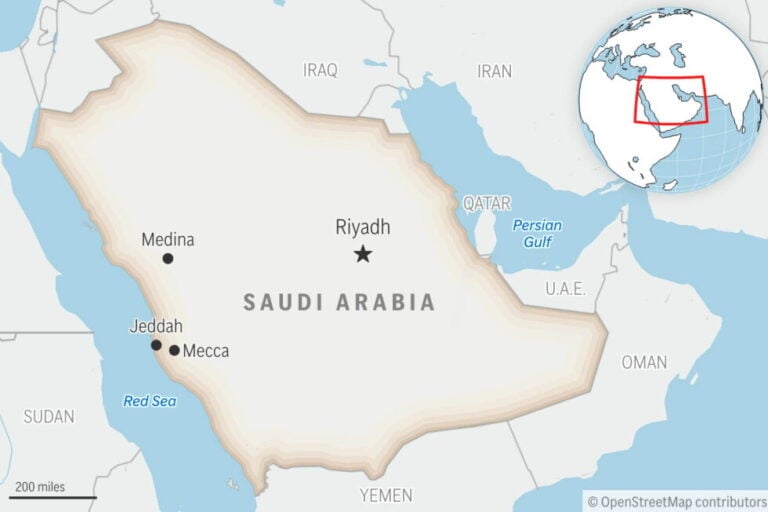
12 Killed in Missile Strike on King Khalid International Airport
Twelve people were killed and more than 300 wounded in a missile strike on Riyadh’s international airport on...
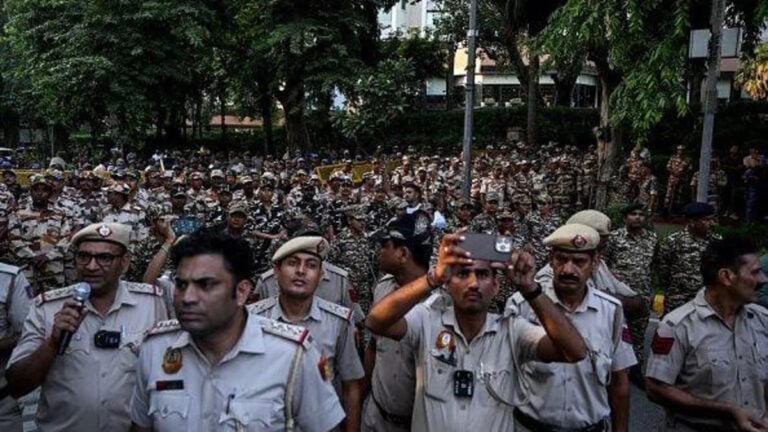
Court Releases Abhijeet Dipke and CJP Leaders in New Delhi on October 11
Following a massive security clampdown and the detention of thousands in New Delhi, a local court ordered the...
Trump says Norway has an ‘indelible stain’ for not awarding him Nobel Peace Prize
Navi Pillay, a South African jurist and former United Nations human rights chief, won the 2026 Nobel Peace...
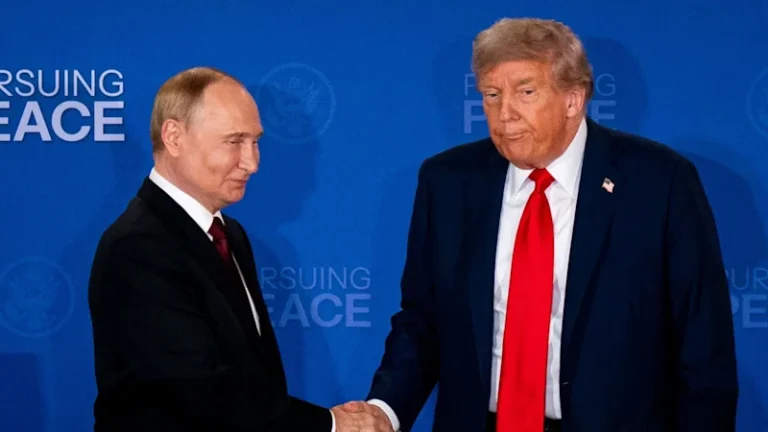
Trump Announces Russian Diesel Deal as Zelensky Condemns Agreement
US President Donald Trump announced a deal with Russian President Vladimir Putin to import Russian diesel into the...