
Researchers at UTHealth Houston discovered that cardiometabolic disease risk factors can be identified in children using protein blood signatures. Publishing in Nature Metabolism, the team linked these pediatric profiles to adult disease outcomes in the UK Biobank and found that the high-risk proteins are reversible in adults taking GLP-1 drugs.
Cardiovascular-kidney-metabolic disease combines heart disease, kidney disease, diabetes, and obesity into a single, intertwined public health challenge. While clinicians typically diagnose these chronic conditions during middle age or later, a team led by researchers at UTHealth Houston School of Public Health has found that the molecular fingerprints of these diseases emerge far earlier in life.
Border Health Research Cohort and Pediatric Protein Signatures
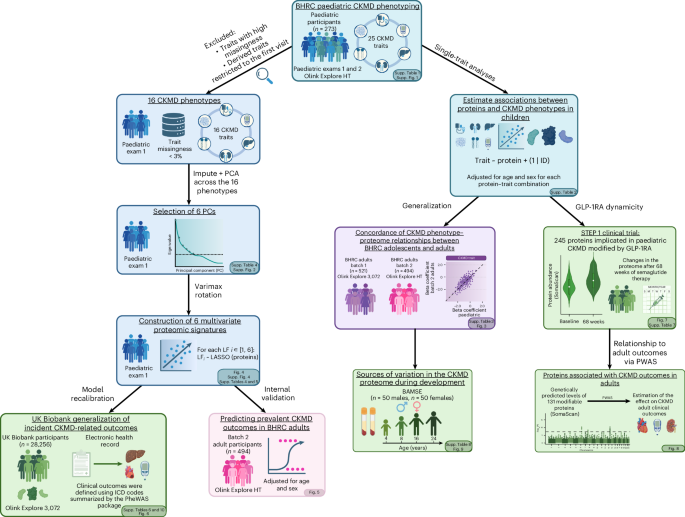
The discovery centers on an analysis of 5,000 proteins circulating in the blood of children participating in the Border Health Research Cohort. Operating within the Border Health Research Center at UTHealth Houston School of Public Health in Brownsville, the study examined samples from 273 children.
Researchers identified six distinct protein signatures that significantly influence the risk of developing cardiovascular-kidney-metabolic disease later in life. Many of the participating children already exhibited physical traits associated with the condition, including obesity, altered liver function, abnormal cholesterol levels, and insulin resistance.
First author Heather Highland, assistant professor of epidemiology at the School of Public Health and lead researcher behind the study published in Nature Metabolism, emphasized the diagnostic utility of these circulating molecules.
“Understanding the development of cardiovascular-kidney-metabolic disease across the lifecourse is critical. Proteins circulating in the blood can serve as markers of nascent pathologies across the body. These early markers can help identify people at greater risk for increased monitoring and potentially early intervention.”
Heather Highland, assistant professor of epidemiology at the UTHealth Houston School of Public Health
Validating the Findings in Adult Populations
To test whether these pediatric signatures translate to long-term health outcomes, the investigative team turned to massive adult epidemiological datasets. They assessed the association of their protein signatures with disease events in more than 28,000 adults participating in the UK Biobank, a prospective study encompassing over 500,000 individuals living in the United Kingdom.
Individuals in the UK Biobank who carried the same protein signatures demonstrated a heightened risk of suffering a heart attack or experiencing other adverse health events linked to cardiovascular-kidney-metabolic disease. Furthermore, the identical high-risk protein profile appeared in 685 adults from the Brownsville community who presented with high risk for irreversible disease manifestations.
Reversibility and GLP-1 Drug Trials
Perhaps the most unexpected turn in the research involved comparing the discovered protein signatures against data from clinical trials investigating GLP-1 receptor agonist medications. The research team found that a majority of the proteins driving individuals toward high-risk, irreversible cardiometabolic disease shifted back in a healthy direction after adults took GLP-1 drugs.
“This association is really one of the most exciting messages, because those proteins that predict the risk of cardiometabolic diseases all moved in a healthy direction after these adults took GLP-1. This makes this a modifiable risk state rather than a fixed marker of fate. Childhood is the time that we really need to start intervening because it’s reversible.”
Kari North, director of the Border Health Research Center and professor at the UTHealth Houston School of Public Health
Community Engagement and Long-Term Study Roots
The study builds upon years of dedicated population health research in Cameron County.
“The cohort provides key silent markers of chronic disease traits that are manifest in adults, including some parents of the children, with clinical disease. These children have generously participated in the study at our Clinical Research Unit in Brownsville.”
Joseph McCormick, professor of epidemiology and James H. Steele Professor at the UTHealth Houston School of Public Health
Fisher-Hoch highlighted the crucial labor performed by local personnel to execute the detailed blood tests and laboratory analyses, noting that nearly 20 staff members recruited directly from the Brownsville community carried out the intricate evaluations.
Implications for Early Screening and Precision Medicine
Routine annual pediatric checkups do not typically include the extensive blood screening panels utilized by the research team. However, the study authors argue that uncovering molecular dysregulation during childhood opens a viable window to alter lifetime health trajectories before irreversible damage occurs.
“The dysregulation of the proteins that influence risk of heart attack later in life, if we can reverse them in childhood, then we can really make a huge dent in the cardiovascular disease burden that we see in adult populations around the world today. We need to do better screening in children, and if we see children who are at an elevated risk, the time to act is now.”
Kari North, director of the Border Health Research Center and professor at the UTHealth Houston School of Public Health
Keep reading
Monaldi Hospital Study Reveals Microbiota Differences in Endocarditis Patients
Researchers in Italy have revealed notable differences in gut, oral, and skin microbiota among patients with heart valve...

Boy’s Abdominal Rash Caused by Resting Charging Laptop on Skin
A young boy presenting with a mysterious abdominal rash and suspected liver injury was ultimately diagnosed with erythema...
Local Consolidative Therapy Fails to Improve Survival in LONESTAR Trial
Adding local consolidative therapy after induction dual checkpoint blockade in metastatic non-small cell lung cancer was feasible, but...

WHO Prequalifies Multi-Dose RSVpreF Vaccine Vial to Protect Infants
The World Health Organization has prequalified a multi-dose vial of the maternal respiratory syncytial virus vaccine, RSVpreF, sold...