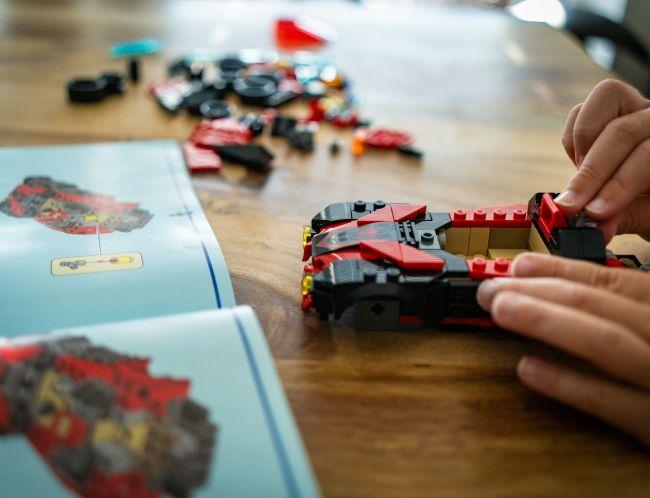
Rossendale-based WeBuyBricks has developed a custom AI sorting system capable of processing 100,000 used Lego pieces daily. Founded by Mike Lane, the company utilizes advanced shape and color recognition to authenticate genuine components, filter out damaged or counterfeit bricks, and salvage millions of pieces from landfills.
Rather than dumping mixed collections into generic resale boxes, the firm relies on proprietary artificial intelligence to identify individual components, separate damaged or counterfeit materials, and rebuild complete sets for the retail market.
Engineering a Custom Lego Sorting AI
Training an algorithm to recognize tens of thousands of miniature plastic components required an extensive machine learning process. According to the company, the artificial intelligence system was trained using tens of thousands of pieces, with each individual brick photographed from up to 600 angles to build a comprehensive reference database.
The company spent three years developing and refining the technology, running an operation that costs more than £1 million. Lane originally launched a second-hand book resale business 18 years before pivoting to plastic construction toys, seeking a durable commodity that retains its structural integrity over time.
We were looking for something that lasts a long time, is well engineered, holds its value, and isn’t constantly updated or replaced.
Mike Lane, CEO of WeBuyBricks
How Automated Shape and Color Recognition Operates
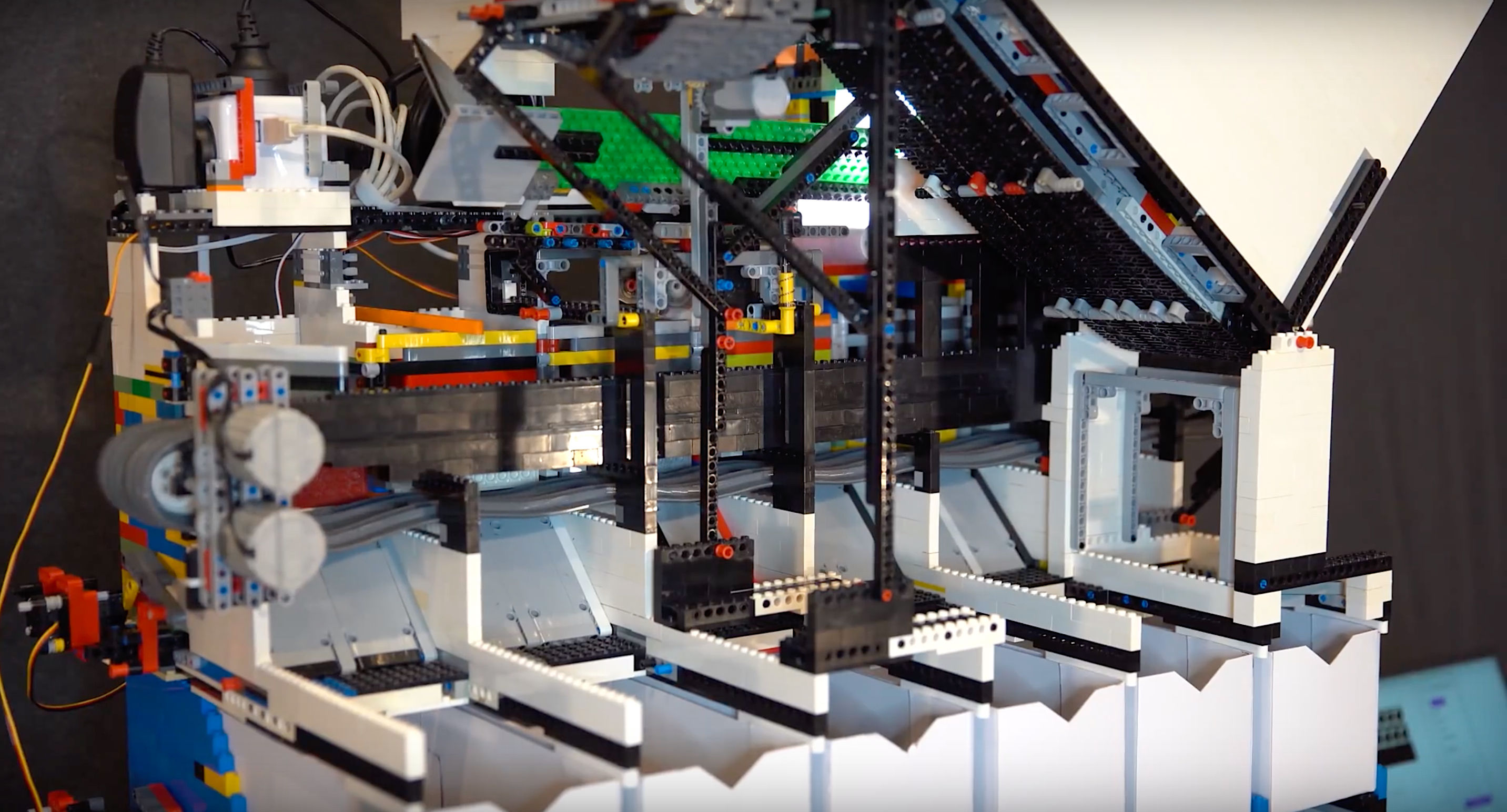
Once the machine learning algorithm absorbs enough visual data, the automated sorting hardware goes to work. As mixed collections travel along a conveyor system, the technology can process two bricks every second, recognizing more than 50,000 different pieces by their distinct shape and color parameters. In total, the setup sorts more than 100,000 pieces each day.
Identifying minute design differences across an immense catalog of shapes presents a formidable engineering obstacle.
With Lego, it’s more difficult because every piece of Lego doesn’t have a barcode and there’s 80,000 different pieces, shapes, sizes and colours.
Mike Lane, CEO of WeBuyBricks
Beyond sorting, the automated vision system evaluates structural condition. The technology flags components showing significant wear, including cracks, sun damage, and bite marks. Furthermore, the system separates counterfeit pieces from genuine Lego components, allowing human workers to focus their attention entirely on authentic, reusable inventory.
Environmental Impact and Landfill Diversion Figures
Sustainability forms a foundational pillar of the business model. By rescuing unwanted toy collections from domestic disposal, WeBuyBricks estimates it has saved approximately 25 million Lego bricks from ending up in landfills. Components that exhibit unfixable structural damage or severe degradation do not go into household trash; instead, the company ensures those materials are processed and recycled appropriately.

This diversion strategy extends the functional lifecycle of durable plastic play materials, aligning secondary retail markets with broader ecological waste-reduction goals. The company continues to evaluate expansion avenues, exploring additional optical capture systems and machinery scaling to handle incoming inventory volumes.
Refurbished Set Pricing and Market Accessibility
By prioritizing the most valuable elements from incoming shipments, factory workers reconstruct complete construction sets from what arrived as unorganized piles of loose plastic. According to company figures, these refurbished sets frequently sell for between 40 and 60 per cent less than the retail cost of buying brand-new equivalents.
This steep discount lowers financial barriers for families shopping for birthday and Christmas presents. As the team at the Rossendale facility continues to refine its automated sorting infrastructure, the overarching corporate goal remains focused on keeping popular toys in active circulation, minimizing environmental waste, and expanding affordability for consumers across the UK market.
Worth a look

Apple Unveils iPhone 18 Pro With Physical Variable Aperture Camera
Apple used its September event to introduce its latest flagship devices, though the spotlight at the keynote was...


Anthropic Researchers’ Warnings Prompt Push for AI Regulation
Massachusetts Congresswoman Lori Trahan responded by pushing for the bipartisan Frontier Act to regulate frontier labs.

Rodrigo Duterte Appears In Person At ICC For First Time In The Hague
Former Philippine President Rodrigo Duterte appeared in person at the International Criminal Court (ICC) in The Hague for...