
The National Institute for Health and Care Excellence (NICE) has released draft guidance recommending that new, non-invasive tests for endometriosis be made available on the NHS. The initiative, which aims to address the significant delays many patients face in receiving an official diagnosis, will be offered by GPs in England and Wales during a three-year trial period to gather evidence on the success of the rollout.
Understanding the New Diagnostic Tools
The two tests proposed for the trial represent a shift away from the traditional, invasive methods currently required for confirmation. According to the guidance, the tests are: * Endotest: A diagnostic tool that uses a spit sample to look for genetic material associated with the condition. * Endosure: A test that utilizes sensor pads placed on the abdomen to measure electrical signals in the gut. Currently, a definitive diagnosis of endometriosis requires surgery, most commonly performed via laparoscopy. During this procedure, a surgeon inserts a camera into the abdomen under general anesthesia to evaluate for tissue similar to the lining of the uterus growing outside of it. This tissue is then removed and examined under a microscope.
The Context of the Condition
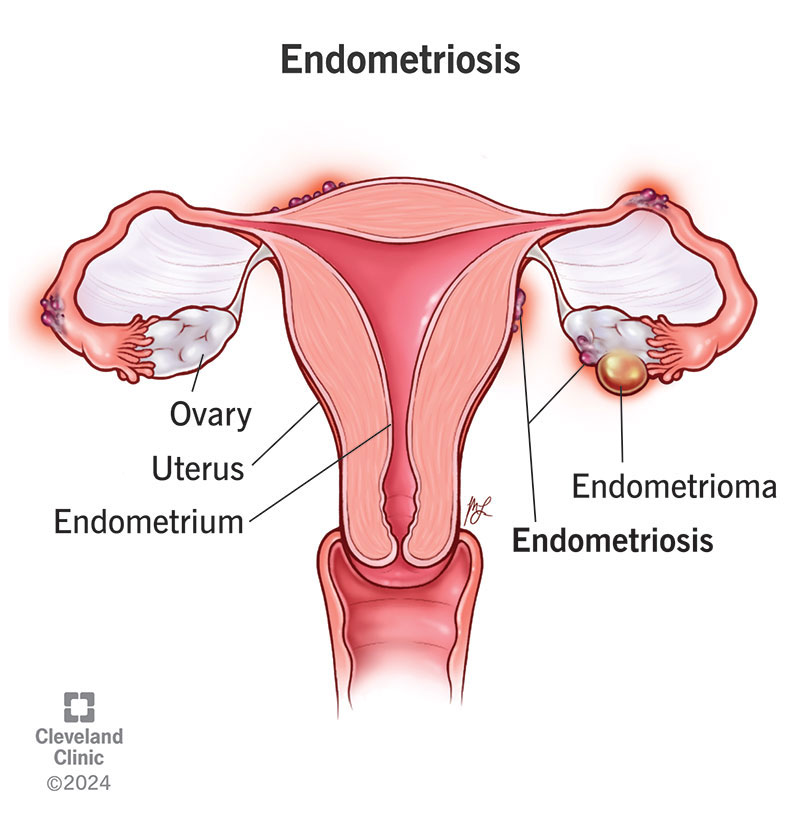
Endometriosis is a condition where tissue similar to the lining of the womb grows outside of it, frequently involving pelvic tissue and potentially enveloping the ovaries and fallopian tubes. It can also affect nearby organs, including the bowel and bladder. The condition is estimated to affect one in 10 women in the UK. For many, the road to diagnosis is long and difficult. Abbie Filer, 27, who was diagnosed in 2024, described a decade of heavy periods and severe symptoms before finally receiving a diagnosis after she required a catheter due to urinary retention. She noted that patients often minimize their pain or feel the need to manage their health while pushing for care, stating, “The onus shouldn’t be on them to display their symptoms in an acceptable way.”
Symptoms and Risk Factors
While symptoms can vary widely—and some individuals may have no symptoms at all until they struggle with fertility—the most common indicator is pelvic pain. This pain is often described as being beyond normal menstrual cramping and can be severe enough to require individuals to miss school, work, or other daily activities. Other common symptoms include: * Pain during or outside of the menstrual period. * Lower back or abdominal pain. * Pain with intercourse, bowel movements, or urination. * Heavy bleeding or spotting between periods. * Fatigue, bloating, constipation, or nausea. Healthcare providers have identified several factors that may increase the likelihood of developing the condition, though the exact cause remains uncertain. These include a family history of endometriosis, starting periods at an early age, having frequent or prolonged periods, never having given birth, and having structural issues that prevent the passage of menstrual blood.

Stakes and Ongoing Challenges
The medical community emphasizes that there is no direct connection between the severity of symptoms and the extent of the condition. Some individuals may have many patches of endometriosis with minimal pain, while others may experience debilitating symptoms with very few patches. Beyond chronic pain, complications can include infertility, bowel or bladder problems, and in rare cases, chest pain or breathing difficulties if the tissue impacts the lungs or diaphragm. While the introduction of non-invasive testing is a significant development, the process remains a focus of ongoing improvement. Current treatment paths typically begin with managing symptoms through pain medication or hormone therapy, such as birth control pills, to control the hormonal cycle. Surgery is generally considered if initial treatments fail to manage symptoms that impact a person’s quality of life.
Find more reporting in our Health section.

Coronary Inflammation Imaging Improves Post-PCI Risk Assessment
Coronary inflammation measured via non-invasive imaging significantly improves long-term cardiovascular risk assessment following percutaneous coronary intervention.

Brain Health Improvement Relies on Mental Stimulation and Hearing Care
Improving long-term brain health and cognitive vitality involves a combination of science-backed lifestyle habits, targeted daily practices, and...

Ketogenic Diet Reduces Liver Fat Better Than Other Diets
A randomized clinical trial published in Cell Metabolism reveals that adults with obesity and prediabetes who lost about...

Nepal Authorities Initiate Mass Cremations as Flood Death Toll Hits 800
Following a catastrophic glacial collapse along the Nepal-China border on August 26, 2026, the death toll from widespread...