
Global Muslim demographics include an estimated 2 billion adherents, comprising approximately 26% of the world’s population. While the religion originated in 610 CE, modern reporting indicates Muslims face varying levels of persecution, occurring alongside Islam’s status as the world’s fastest-growing religion.
Global Population and Regional Distribution
The Muslim population is currently estimated at 2 billion people, representing about 26% of the global total. While these followers are spread across the globe, the concentration of the population varies significantly by continent. Asia and Oceania collectively account for 25% of the Muslim population, while 45% of Africa’s total population identifies as Muslim. In contrast, the figure stands at 6% in Europe and 1% across the Americas.
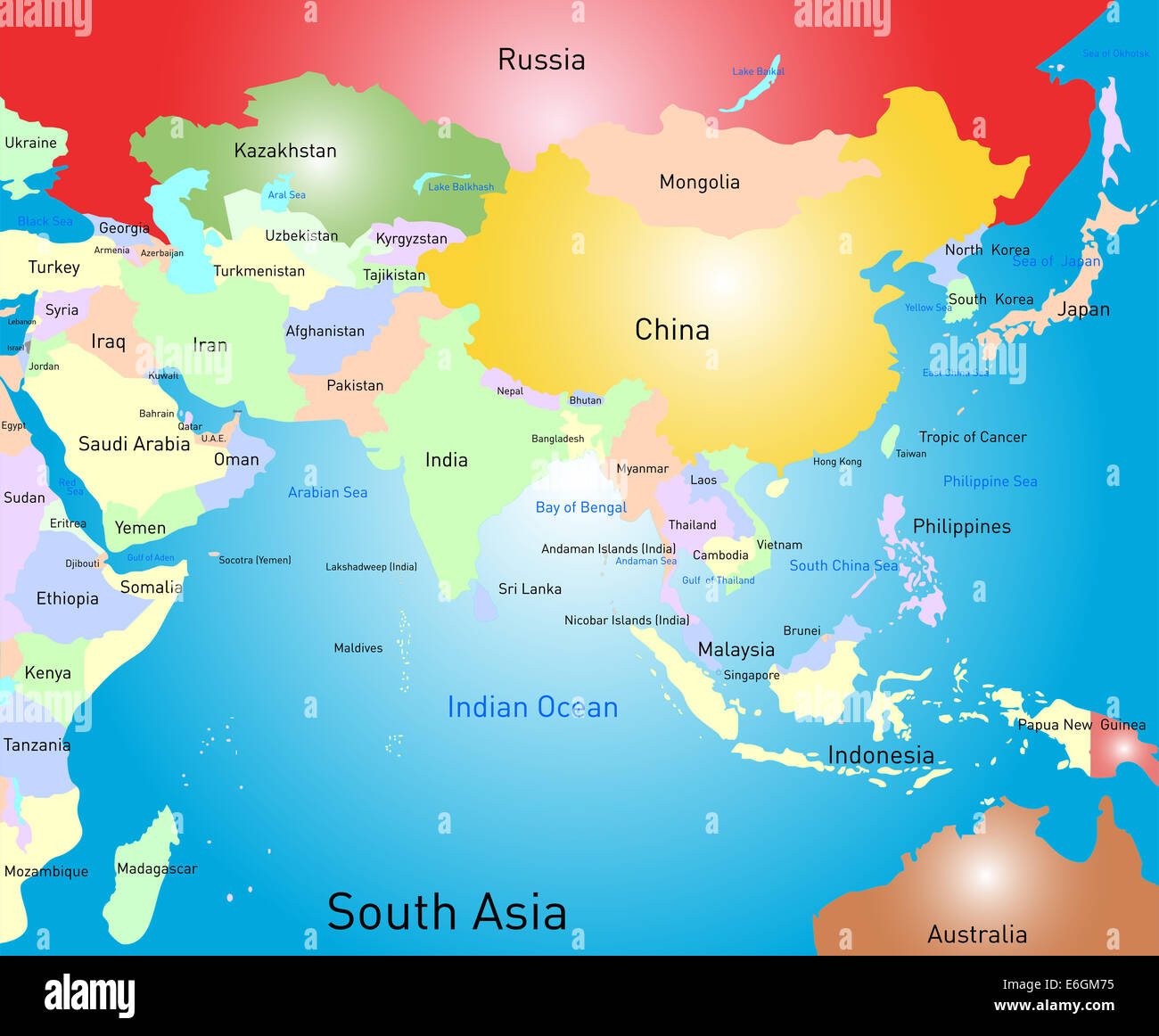
When examined by specific geographical regions, the data shows that 91% of the Middle East–North Africa region identifies as Muslim. Other significant concentrations include 90% in Central Asia, 65% in the Caucasus, 42% in Southeast Asia, 32% in South Asia, and 42% in sub-Saharan Africa. By sheer volume, South Asia holds the largest portion of the global Muslim population at 31%.
Indonesia, Pakistan, and National Demographic Trends
Indonesia remains the largest nation in the Muslim world, home to approximately 12% of all Muslims worldwide, or 238,990,000 people. Pakistan follows with the second-largest population at 226,880,000. Other countries with substantial Muslim populations include India (213,060,000), Bangladesh (151,440,000), and Nigeria (119,980,000).
Outside of Muslim-majority nations, India and China host the largest and second-largest Muslim populations, at 11% and 2% respectively. These figures highlight a diverse global landscape where Muslims make up a majority of the population in 53 countries. Due to high growth rates, Islam is currently categorized as the fastest-growing religion in the world.
Religious Denominations and Theological Foundations
The Islamic faith is defined by its monotheistic nature and the belief in the Quran as the verbatim word of God, or Allah. Beyond the Quran, Muslims follow the Sunnah—the teachings and practices of Muhammad—as recorded in the hadith. The religion is divided primarily into two branches: Sunni Islam, which accounts for 87–90% of followers, and Shia Islam, which comprises 10–13%. A remaining ~1% of followers adhere to other traditions, including Ahmadiyya, Ibadism, and Quranism.

The divide between Sunni and Shia branches originated from disagreements regarding the succession to Muhammad but has since evolved to encompass broader theological and juridical differences. Specifically, the Sunni canonical hadith collection consists of six books, whereas the Shia collection consists of four.
The practice of the faith is structured around the Five Pillars—obligatory acts of worship including the shahada (creed), salah (daily prayers), zakat (almsgiving), sawm (fasting during Ramadan), and hajj (pilgrimage to Mecca). These practices, alongside sharia law, guide aspects of life ranging from finance to environmental stewardship. For believers, the ultimate religious focus remains the belief in the oneness of God (tawhid) and the prospect of the afterlife (akhirah) and the Last Judgment.
Holy Sites and Historical Context
Islam’s historical origin is traced to Mecca around 610 CE, the time when Muslims believe Muhammad received his first revelation. Following his death, the religion expanded under the Rashidun Caliphate.
- Masjid al-Haram in Mecca
- Prophet’s Mosque in Medina
- Al-Aqsa Mosque Compound in Jerusalem
While the religion is viewed by its adherents as the final, complete version of a primordial faith shared by earlier prophets such as Abraham, Moses, and Jesus, it continues to operate within a complex global environment.
Find more reporting in our World section.

Wicknell Chivayo Gave Sugar Sugar Unregistered Toyota Fortuner
Zimbabwean businessman Wicknell Chivayo’s death has left a tangled web of unpaid car dealer debts and unresolved gifts,...

Haines hit in critical condition
Independent Australian MP Helen Haines remains in critical condition following a deliberate car attack outside her Wangaratta office...

UAE’s Nusseibeh Joins Race for UN Chief
Senior United Arab Emirates diplomat Lana Nusseibeh entered the contest for United Nations secretary-general on October 21, 2026,...
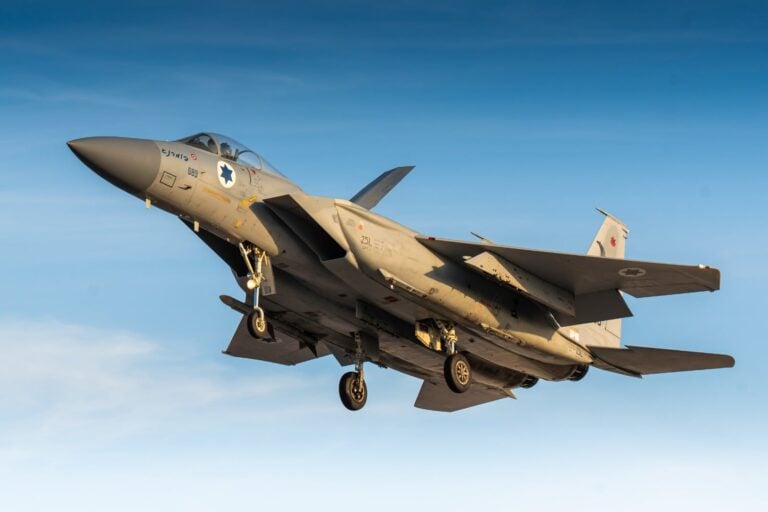
Reports: Israeli jets flew to Iran’s border, some US officials suspect bid to provoke Tehran
Dozens of Israeli fighter jets flew near Iran's border on Monday in a high-stakes military exercise.