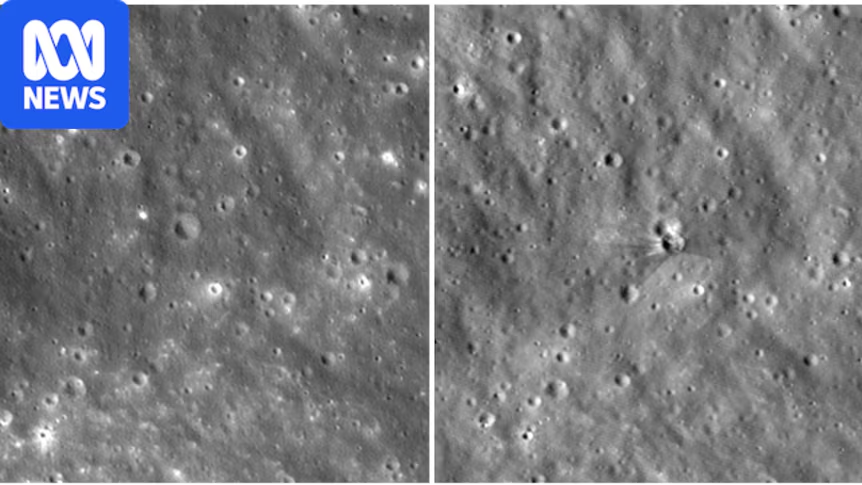
A NASA spacecraft circling the Moon has captured the sharpest views yet of a fresh crater carved by a crashing SpaceX Falcon 9 rocket stage, according to news reports. The defunct upper stage of the Falcon 9 rocket ploughed uncontrolled into the lunar surface at an estimated 5,400 miles per hour on August 5 after drifting through space for more than a year.
NASA Spacecraft Captures Falcon 9 Moon Crater
The roughly 10,800-pound booster had previously launched in January 2025. Between August 11 and August 12, NASA’s Lunar Reconnaissance Orbiter captured a series of images of the new impact site. Flight controllers had to tilt the spacecraft so its cameras pointed toward the impact scene while zooming along at about 1 mile per second from roughly 60 miles up. NASA noted that the orbiter was required to wait six days for the location to rotate into view, as the spacecraft completes a lunar polar orbit every two hours while the Moon rotates beneath it.
Measurements and Visual Features of the Crater
Based on the new photos taken by the Lunar Reconnaissance Orbiter, scientists determined that the fresh crater measures about 60 feet across and is likely less than 10 feet deep, with measurements calculated using the length of the crater’s shadow. The crater center is located at an elevation of roughly 1,700 feet.
Dark and bright streaks are clearly visible emanating like butterfly wings from the crater. The darker lines represent surface dust and rocks excavated from a depth of around 1.5 feet that were shaped by eons of solar wind, cosmic rays, and micrometeorite strikes. The brighter rays and streaks near the crater rim indicate fresher rocks and dirt that were hurled from deeper underground.
International Collaboration and Tracking
Independent astronomers first determined the rocket’s trajectory using publicly available information. NASA’s Center for Near Earth Object Studies, based at the Jet Propulsion Laboratory in Southern California, refined calculations to identify the expected impact location as part of the agency’s Planetary Defense program. That prediction was shared with the Republic of Korea and its Korea Pathfinder Lunar Orbiter, known as Danuri, which was first on the scene to beam back photos.
The Danuri mission provided crater coordinates to NASA’s Lunar Reconnaissance Orbiter team, helping researchers improve their targeting. Shortly after the crash, a telescope in Chile also spotted a debris plume from the collision.
Space Sustainability Debates
The Falcon 9 crash marks only the second known case in which a human-made object has unintentionally hit the lunar surface. In 2022, an upper stage from a Chinese rocket smacked into the far side of the Moon, carving out a double crater. The SpaceX incident ignited fresh debates about sustainability issues in space as nations race to establish infrastructure on the Moon.
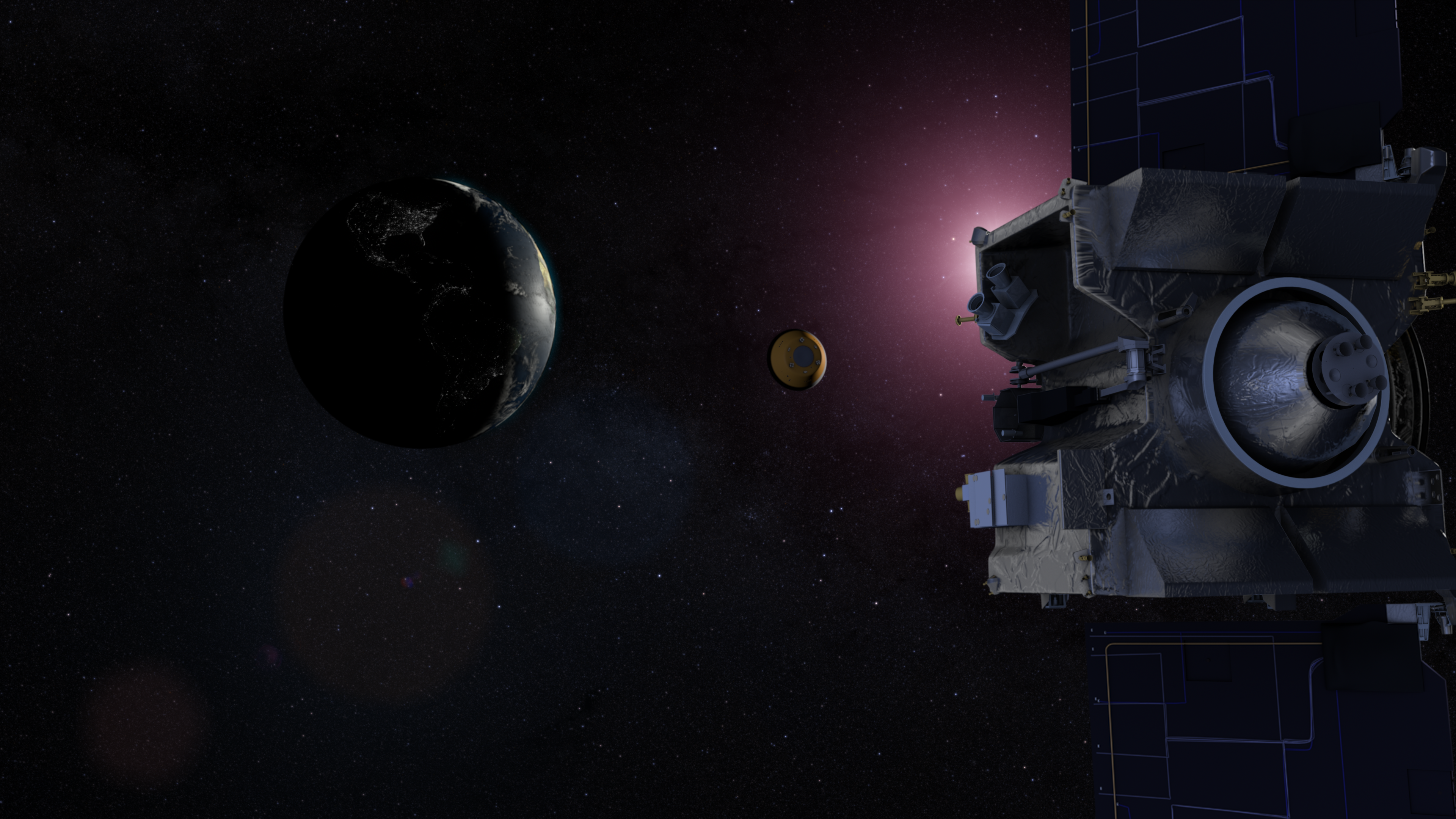
In a statement on August 5, SpaceX said it tries to properly account for its hardware after missions. We actively work to be as responsible as possible with hardware left in space to ensure space safety, including for more complex missions,
the company stated, adding that solar activity and gravity eventually led the second stage toward the Moon.
Related reading
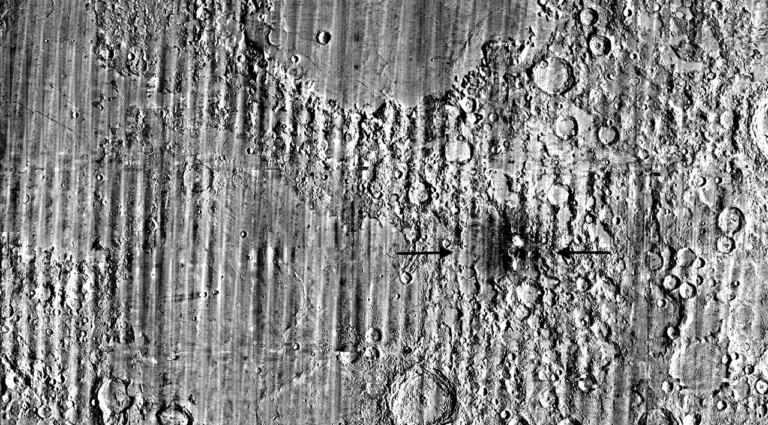
NASA Discovers McGetchin, Largest Newly Formed Lunar Crater
NASA’s Lunar Reconnaissance Orbiter has discovered McGetchin, the largest newly formed lunar crater ever found in the solar...

Study Links Climate Breakdown to Deadly Langtang Lirung Glacier Collapse
Human-induced climate change contributed significantly to the catastrophic glacier collapse and subsequent flash floods on the Nepal-Tibet border,...

NASA Discovers Massive McGetchin Crater on Moon Formed in 2024
NASA researcher Robert Wagner has discovered a massive, 730-foot-wide lunar crater named McGetchin.

Greenland And Antarctica Lost Over 12 Trillion Tons Of Ice Since 1979
Satellite observations reveal that Greenland and Antarctica have shed massive amounts of ice since 1979.