
Global oil markets extended a three-session decline on September 18, 2026, as expectations of restoring Saudi Arabia’s damaged East-West Pipeline tempered supply disruption fears, even as fresh cross-border fighting involving Yemen’s Houthis kept Middle East shipping risks elevated.
Pipeline Repairs and Alternative Export Routes Ease Market Anxiety
Crude futures fell for a third consecutive session as traders weighed potential relief for interrupted Red Sea supply chains. Brent crude for November delivery fell 0.9% to settle at $103.87 a barrel, while West Texas Intermediate crude for October settled down 1.6% at $100.30 a barrel, according to market reports detailing the three-day market slide. Earlier in the week, prices had climbed near four-month highs after crude loadings at Saudi Arabia’s Red Sea export hub of Yanbu were suspended following an attack that damaged the East-West Pipeline.
While Saudi Arabia has not issued an official timeline for restarting the corridor, which carries crude from eastern fields to the Red Sea, sources familiar with the matter indicated that the kingdom is seeking to resume partial operations within days. Fully repairing damaged pumping stations and restoring total capacity could take between six to eight weeks.
To bypass the damaged infrastructure, the United Arab Emirates’ Adnoc has been using its own and hired vessels to carry crude through the Strait of Hormuz in convoys under U.S. military protection, transferring the oil to other tankers waiting in the Gulf of Oman, according to published journal accounts.
Regional Conflict Spreads to Yemen and the Bab al-Mandeb Strait
Despite the cooling prices, security conditions across Middle Eastern shipping lanes remain volatile. Saudi Arabia and Yemen’s Iran-backed Houthis exchanged fresh strikes across their border, expanding the military theater and raising new concerns about oil supplies by jeopardizing alternative Red Sea export pathways.
Houthi forces have seized territory in recent weeks, including an island in the Bab al-Mandeb Strait, strengthening their tactical ability to interfere with regional tanker traffic. Pavel Molchanov, an investment strategy analyst at Raymond James, noted that the murky status of the pipeline continues to cloud the outlook for Middle East exports.
Adding to maritime tensions, Iran’s Revolutionary Guards Navy announced that a Togo-flagged oil tanker was struck while attempting an illegal passage through the Strait of Hormuz. International Energy Agency data shows that flows through the strait averaged 7.6 million barrels a day in August, remaining 13.1 million barrels a day below prewar levels, though bypass routes have managed to offset an average of 2.8 million barrels a day of lost volume.
Diplomatic Pressures and United States Political Stakes Ahead of the UN General Assembly
President Donald Trump rejected Saudi pleas for direct military backing against the Houthis, who previously reached a ceasefire with Washington last year following a two-month bombing campaign. Domestically, the President faces potential political headwinds for the Republican Party in November’s midterm elections, driven largely by elevated energy costs following the February military engagements involving the U.S., Israel, and Iran.

Diplomatic efforts remain strained. Interim nuclear agreements reached in June collapsed within weeks, and no peace talks have taken place since. However, the conflict is slated for high-level discussion next week during the United Nations General Assembly, where an Iranian delegation is expected to attend according to the State Department. President Trump indicated he is approaching a critical decision point regarding whether to resume large-scale military actions against Iran.
Consumer Impact and Domestic Energy Markets
While crude benchmarks have eased from recent peaks, drivers continue to feel the pinch at retail pumps. AAA reported that average U.S. retail prices for regular gasoline rose to $4.47 a gallon from approximately $4.30 a week prior, while average diesel prices climbed to a new all-time high of $6.45 a gallon.
Analysts suggest relief may be on the horizon. Molchanov observed that with the summer travel season concluded, prices at the pump should gradually moderate even if crude oil prices hold near current levels. Furthermore, domestic supply chain resilience inside Saudi Arabia—where state producer Saudi Aramco sources roughly 70% of operational inputs locally—may provide critical support for expediting infrastructure repairs.
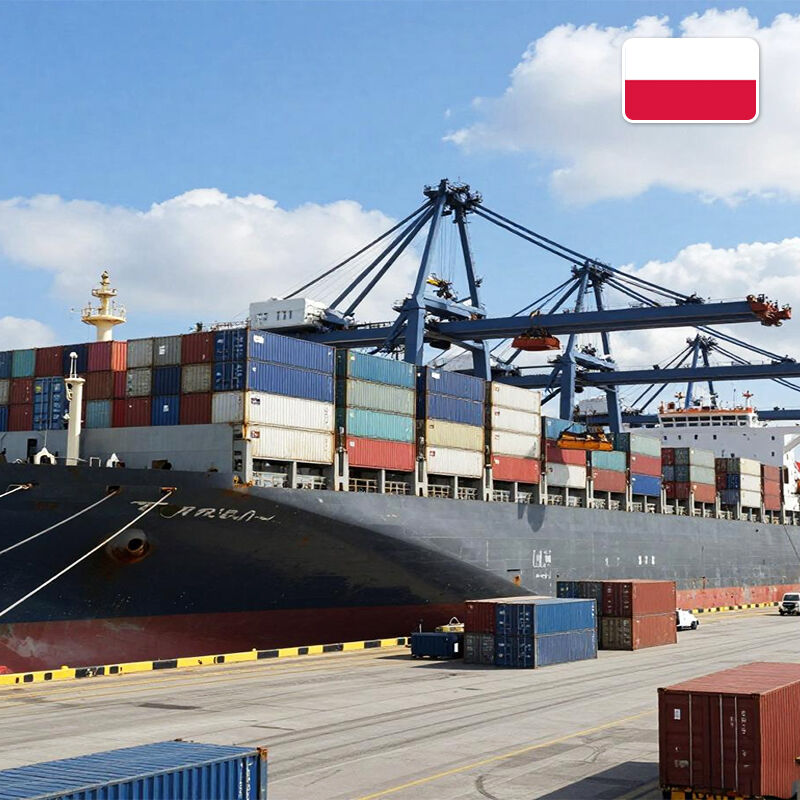
Pepco Opens Poland Hub and Freight Deals to Fight Supply Chain Costs
European discount retailer Pepco opened a new distribution hub near Gdansk, Poland, on Thursday to combat severe global...

President Isaac Herzog Clears Criminal Record of Former Soldier Elor Azaria
President Isaac Herzog has approved Elor Azaria’s request to clear the remainder of his criminal record, nearly a...

Nigeria Petrol Prices Rise to N1,400 as Global Crude Surpasses $100 per Barrel
International crude oil prices above $100 per barrel have triggered fresh petrol price increases across Nigeria, with major...

Over 2.2 million Pakistanis register for fuel subsidy amid US-Iran war
More than 2.2 million Pakistanis have registered for a government fuel relief scheme amid surging oil prices driven...