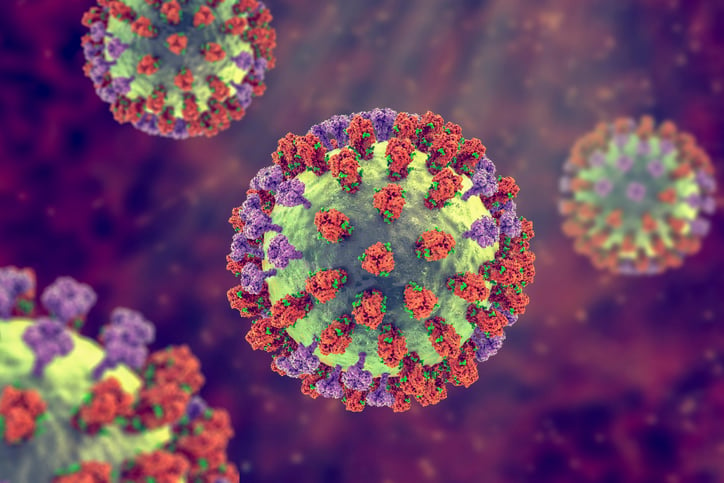
Australia confirmed its first mainland mammal death from H5N1 bird flu after a long-nosed fur seal tested positive in Beachport. The case highlights a rapidly escalating wildlife outbreak spanning hundreds of events across the country as researchers warn against feeding wild birds.
First Mainland Mammal Death Confirmed in South Australia
Australian authorities confirmed on August 23 that a long-nosed fur seal found dead near the coastal town of Beachport tested positive for H5N1 bird flu. This marks the first mammal killed by the virus on mainland Australian soil. The animal was discovered on August 19 approximately 310 kilometers south of Adelaide, with testing confirmed at CSIRO’s Australian Centre for Disease Preparedness.
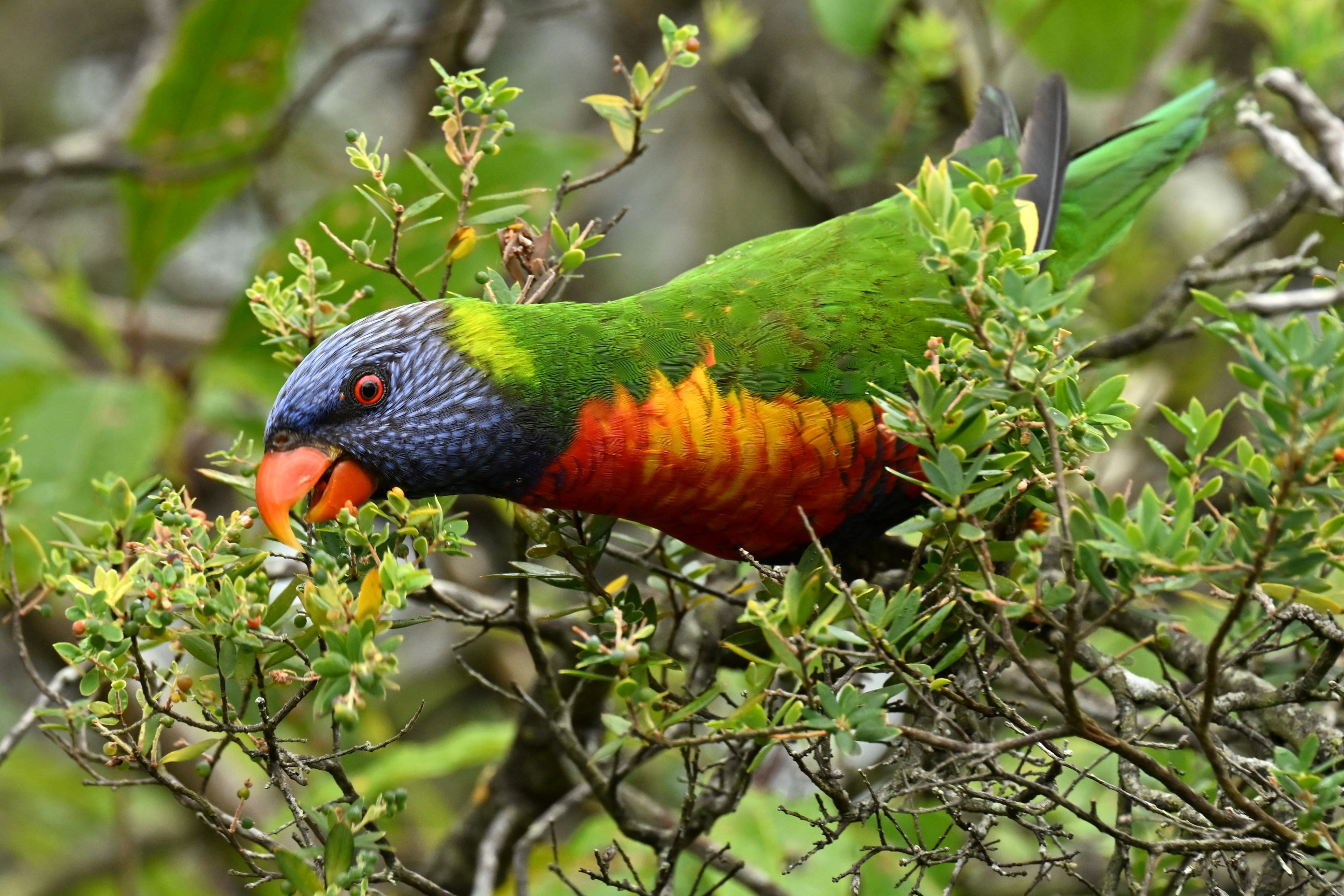
South Australia’s Chief Veterinary Officer, Skye Fruean, explained why marine life faces severe risks during the outbreak. Seals share rocky coastal outcrops with wild birds that carry the pathogen at high concentrations. They would be coming across, no doubt, really high levels of the virus in their environment,
Fruean said in televised remarks.
Federal Agriculture Minister Julie Collins offered a sobering assessment of the trajectory of the outbreak. Once the H5 bird flu is spreading in the natural environment it is not possible to avoid significant losses,
Collins told reporters.
Rapid Spread Across Australian Wildlife and Marine Species
The fur seal detection follows a swift geographic and species expansion since Australia recorded its first mainland H5N1 case on June 19 in a migratory brown skua at Cape Le Grand National Park in Western Australia. By August 22, the federal government had recorded 297 confirmed events in wildlife nationwide. An event under national protocols may involve one or more animals.
The virus has caused mass mortality events, killing more than 1,000 greater crested terns in South Australia and more than two dozen little penguins in Tasmania. A silver gull confirmed positive at Robe in early August signaled that the virus had crossed from coastal seabirds into a species capable of traveling far inland toward agricultural and urban zones.

Following the Beachport seal case, subsequent detections emerged in an Australian sea lion at Seal Bay on Kangaroo Island, an endangered species, alongside a second long-nosed fur seal near Kangaroo Island, red foxes, and a common dolphin. Michelle Wille, an avian influenza researcher affiliated with the University of Melbourne, the WHO Collaborating Centre for Reference and Research on Influenza, and the Peter Doherty Institute for Infection and Immunity, noted that a spillover into Australian marine mammals was anticipated based on overseas trends.
Given what we have seen with this H5N1 genotype in seal and sea lion populations overseas, a spillover into Australian marine mammals was a possibility we had been concerned about and actively monitoring for.
Michelle Wille, avian influenza researcher
Wille emphasized that priority now centers on detailed genomic analysis. Researchers must determine whether infections stem from separate spillover events from birds or from mammal-to-mammal transmission. Australian authorities reported no evidence of mammal-to-mammal transmission of the virus within the country.
Backyard Bird Feeders Identified as Transmission Hotspots
As the virus circulates among wild populations, researchers have turned attention to domestic habits that may accelerate transmission. Darryl Jones, Professor Emeritus at Griffith University’s Centre for Planetary Health and Food Security and author of Feeding the Birds at Your Table: A Guide for Australia, published an analysis detailing the risks posed by backyard bird feeders.
Approximately half of Australian households routinely feed wild birds, creating dense disease transmission hotspots right on deck. When residents offer supplementary food, it attracts multiple species that would never aggregate naturally.
Feeding wild birds heightens the risk of disease transmission at feeding locations. When we offer supplementary food, such as seeds or meat scraps, this attracts birds of many different species in a combination and number that would not happen in nature.
Darryl Jones, Professor Emeritus at Griffith University’s Centre for Planetary Health and Food Security
Infectious diseases like influenza spread through direct and indirect contact. Creating hotspots where birds aggregate increases contact rates and elevates infection risks.
Ongoing Surveillance and Human Health Vigilance
Global health bodies continue to track the Australian outbreak within the broader context of international animal health. Sten H.
Australia is another reminder that H5N1 is a global animal health issue with implications for human health that we need to continue watching closely.
Sten H. Vermund, MD, PhD, GVN’s chief medical officer and dean of the University of South Florida College of Public Health
Human infections with H5N1 remain uncommon and generally follow close contact with infected animals or contaminated environments, with the World Health Organization reporting no sustained person-to-person transmission.
Worth a look

Deep Vein Thrombosis: Symptoms, Risks and Prevention Management
Deep vein thrombosis forms blood clots in deep veins, most often in the legs or pelvis, carrying risks...

Alzheimer Trials Face Global Participant Shortage Threatening New Therapies
Research into Alzheimer's disease and other dementias is on the cusp of a potential revolution, yet progress risks...

Severe Mental Illness Linked to 10 to 20 Year Life Expectancy Gap
People with a severe mental illness die 10 to 20 years earlier than the general population, according to...
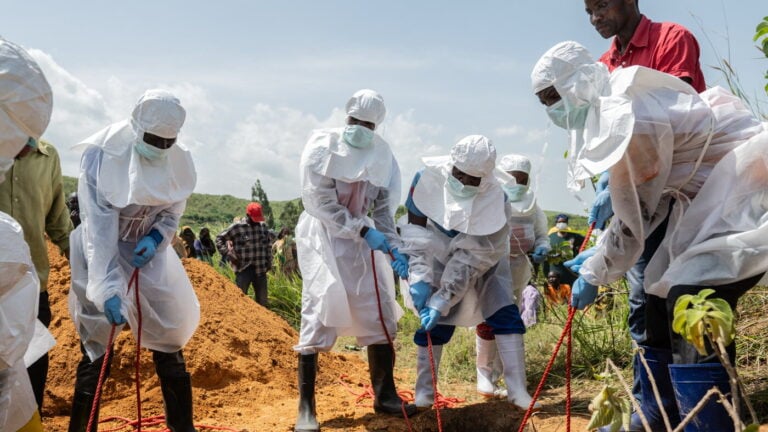
DR Congo rolls out Ebola vaccine for health workers as death toll rises
Health authorities in the Democratic Republic of the Congo began vaccinating frontline medical workers against Ebola in Bunia...