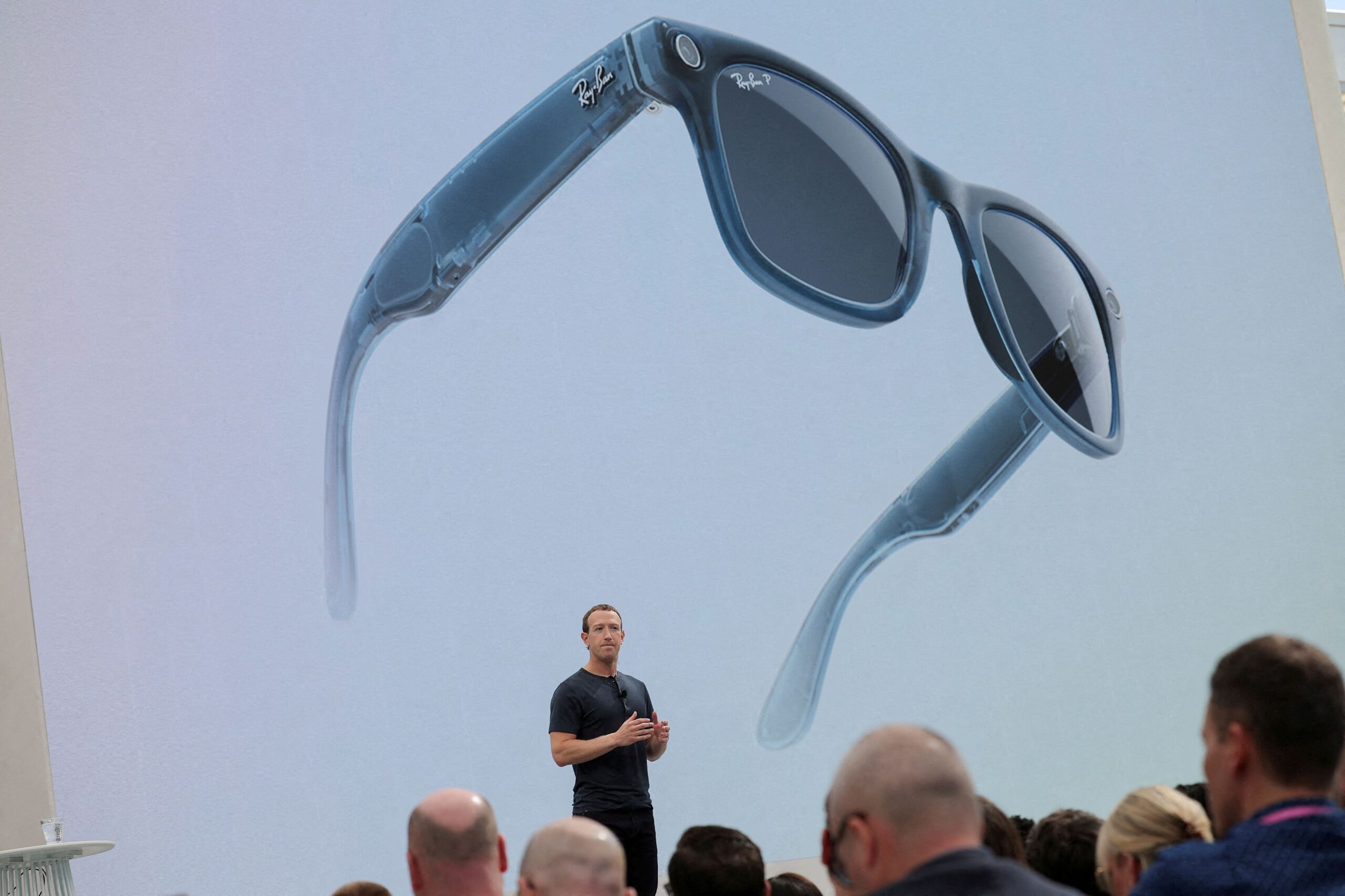
Meta is overhauling its wearable hardware strategy following widespread privacy backlash over covert recordings. As courts review lawsuits and major venues restrict Ray-Ban frames, internal reports reveal Meta is preparing a camera-free smart glasses model, codenamed Luna, for a potential October debut.
The consumer hardware landscape around always-on artificial intelligence is running into a stubborn obstacle: public unease over constant surveillance. Devices designed to see, hear, and process the physical world are sparking fierce pushback from users, venues, and legal experts alike, forcing some of the world’s largest technology firms to rethink how they build ambient computing.
Meta Faces Legal Challenges and Public Backlash Over Ray-Ban Frames
The friction centers largely on Meta’s Ray-Bans smart glasses, which popularized AI-powered eyewear by combining EssilorLuxottica frames with digital assistant tools. While the product brought high-tech features into a mainstream fashion form factor, it quickly turned into a lightning rod for privacy anxiety.
Consumers have expressed growing concern over covert recordings in public spaces.
Central London Venues and UK Pubs Ban Smart Glasses
The cultural pushback has moved swiftly from online debates to physical doors. In the United Kingdom, central London bars, theaters, and restaurants are locked in a struggle against the eyewear. One of the country’s largest pub chains, Wetherspoon, restricted the use of the frames, with a corporate spokesperson succinctly summarizing the policy: turn the cameras off
.
The mood extends across British public life. A UK-wide rule introduced in August bars smart glasses from courtrooms entirely. Meanwhile, anti-smart glasses advertisements have appeared at London bus stops, including one mocking a promotional campaign by depicting a model as a skeletal X-ray figure under the stark warning We’re Always Watching
.
Meta Patches LED Tampering and Cracks Down on Creepy Content
Meta has attempted to counter the controversy by tightening device safeguards. The smart glasses feature an integrated capture LED light designed to signal bystanders when photos or videos are recording. However, wearers discovered a loophole: starting a video before placing tape or a finger over the flashing indicator. Following media investigations and public exposure, Meta deployed a software update.
Under the new patch, real-time sensors continuously monitor the LED light. The moment the signal is blocked mid-record, the system instantly terminates the video feed.
Alongside the technical patch, Meta cleaned up its platforms by removing third-party modification services, scrubbing thousands of non-consensual prank videos and predatory content, blacklisting problematic search terms, and rolling out public educational campaigns explaining what the blinking light means.
Inside Meta’s Reported Camera-Free Luna Smart Glasses
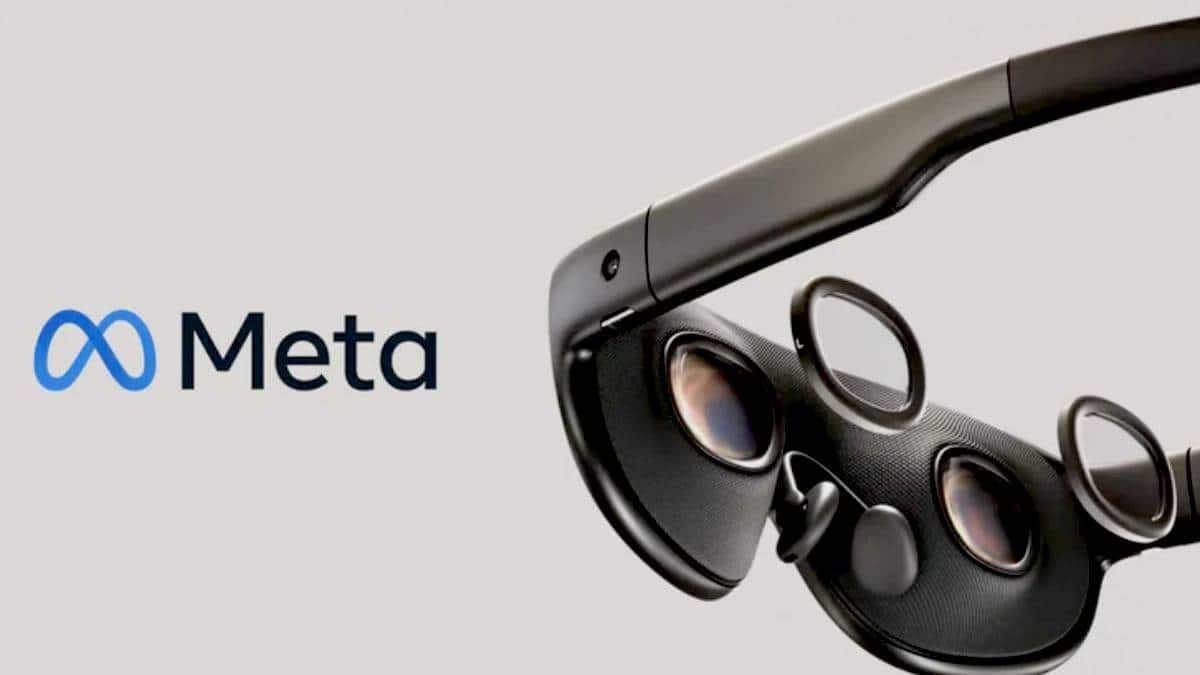
Even with enhanced software controls, Meta is reportedly preparing a structural departure from its camera-centric lineup. Industry reports indicate the company is working on a camera-free model internally known as Luna, which could debut at Meta’s annual Connect developer conference with shipments aimed for October.

By stripping out the camera entirely, Luna shifts the product focus strictly to audio interaction and Meta’s artificial intelligence tools. The glasses reportedly feature six microphones to handle voice commands, support the company’s Muse consumer AI agent, and retain built-in speakers alongside a physical side button for instant AI activation.
Broader Industry Shifts Toward Local AI Processing and Partnerships
Competitors are navigating the same tension between ambient utility and user trust. Samsung plans to enter the smart glasses market through partnerships with Gentle Monster and Warby Parker, while collaborating with Google on shared hardware ecosystems. Sameer Samat, Google’s president of the Android ecosystem, noted that his company is factoring privacy signals and tamper-resistant indicator lights into its upcoming hardware development.
Meanwhile, OpenAI CEO Sam Altman argued that long-term trust in always-on devices will require local data processing rather than continuous cloud transmission. Speaking with journalists, Altman observed that most people will not want a device listening to and watching their entire lives running on a remote cloud server, though he cautioned that achieving local processing at scale may take several more years.
Keep reading

Qualcomm Unveils Snapdragon 8 Elite Gen 6 Chips to Power Agentic AI
The launch targets on-device agentic AI as the smartphone industry faces a broader contraction driven by skyrocketing memory...

IO Interactive Delays 007 First Light on Switch 2 Until March 2027
IO Interactive has pushed back the Nintendo Switch 2 launch of 007 First Light to March 2027, marking...
/article-new/2025/03/Foldable-iPhone-2023-Feature-Homescreen.jpg)
Ookla Releases Android Foldable Benchmarks Ahead of iPhone Duo Launch
Ookla has released comprehensive speed and signal benchmarks for Android foldables in the United States ahead of Apple's...

Amazon Drops Samsung 75-Inch M70H Mini-LED 4K TV to Record Low Price
According to Mashable, this price cuts over 22% off the television's $729.99 list price just as the college...