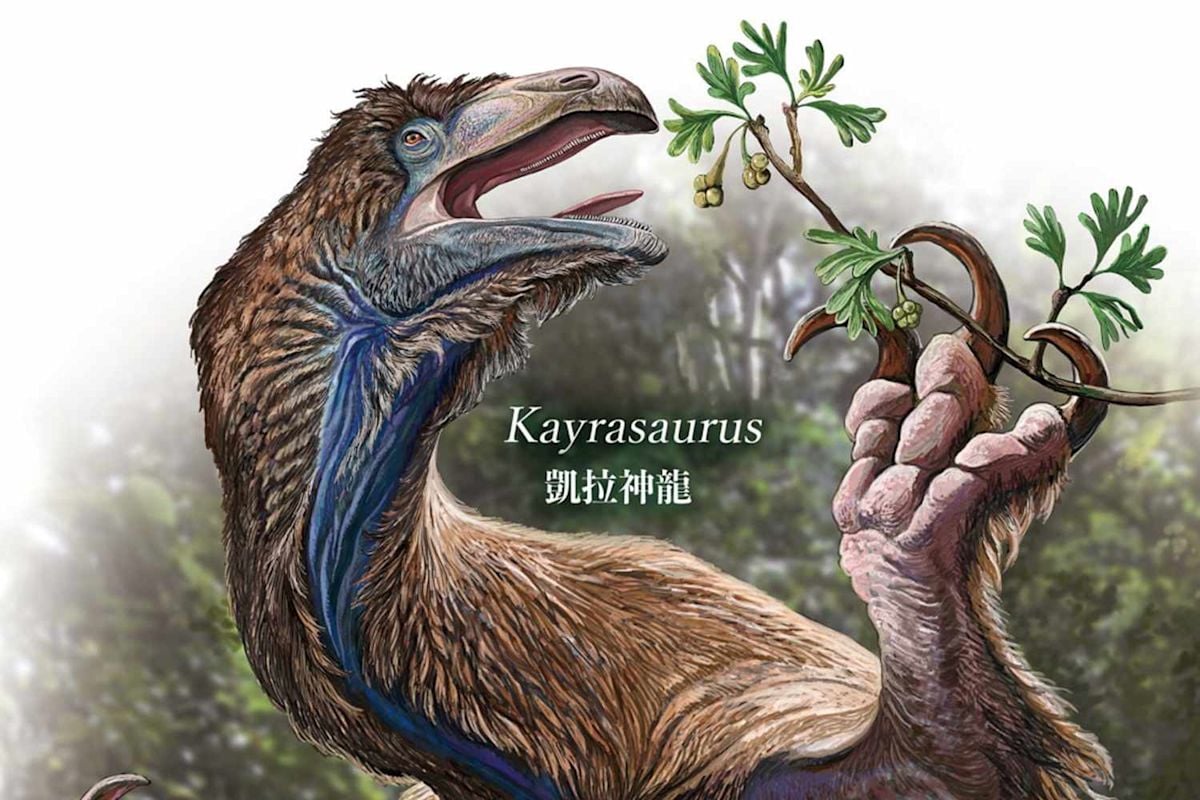
Researchers in China have discovered a new therizinosaurian dinosaur species named Kayrasaurus changliensis, which measured approximately 11.8 feet long and lived around 125 million years ago. Featuring giant claws and densely packed teeth, the subadult fossil provides new insights into the morphological evolution and ecological adaptations of dinosaurs in the Jehol Biota.
A newly identified dinosaur species that roamed western China during the Early Cretaceous period is rewriting what researchers understand about a rare and anatomically unusual group of two-legged dinosaurs. Unearthed in the Lower Cretaceous Yixian Formation of western Liaoning, the specimen belongs to a lineage known for oversized hand claws, small heads, and elongated necks.
Kayrasaurus changliensis: Anatomy and Unique Features
Described by researchers as a bizarre
theropod that might resemble a feathered bear if it were alive today, Kayrasaurus changliensis was identified from a nearly complete skeleton that was missing its hind limbs, including a well-preserved skull. The subadult specimen measured approximately 3.6 meters, or roughly 11.8 feet, from head to tail.

Several distinctive skeletal characteristics distinguish the animal from its relatives. The lower jaw contains more than 45 extremely small and densely packed teeth. According to scientific findings published in the Journal of Systematic Palaeontology, these dental traits are indicative of enhanced bite force and a more robust, less cursorial body plan.
The animal possessed strongly curved claws on its three manual digits, with the finger bones remaining relatively well preserved. Researchers also noted a characteristic upward-projecting lip
on the hand claws, alongside neck vertebrae that measured longer than those of the back.
Size Comparisons Within the Jehol Biota
Before this discovery, Beipiaosaurus inexpectus held the distinction of being the largest known therizinosaurian from this period in the region, measuring roughly 7 feet long. The newly discovered species reaches nearly double that size.
Because the fossil lacked leg bones, researchers estimated its weight by comparing the specimen with close relatives. Calculations put the subadult animal between 117 kilograms and 274 kilograms, which translates roughly to 258 and 604 pounds, with fully grown adult dinosaurs likely weighing even more.
In anatomical drawings published alongside the study, the new species stands visibly larger than contemporaries in its genus, such as Lingyuanosaurus sihedangensis and Jianchangosaurus yixianensis. While close relatives show postural adaptations suggesting greater agility or specialized feeding mechanics, Kayrasaurus changliensis is reconstructed as browsing on higher vegetation, reflecting its larger body size and heavier build.
Taxonomy and Etymology of the Find
The binomial name carries specific cultural and historical references. The generic name Kayrasaurus is derived from Kayra, the god of creation in Turkic Shamanism who serves as the father of Erlik, the god of death. This naming choice symbolizes the creature’s phylogenetic connection to Erlikosaurus, combined with the Greek word for lizard.
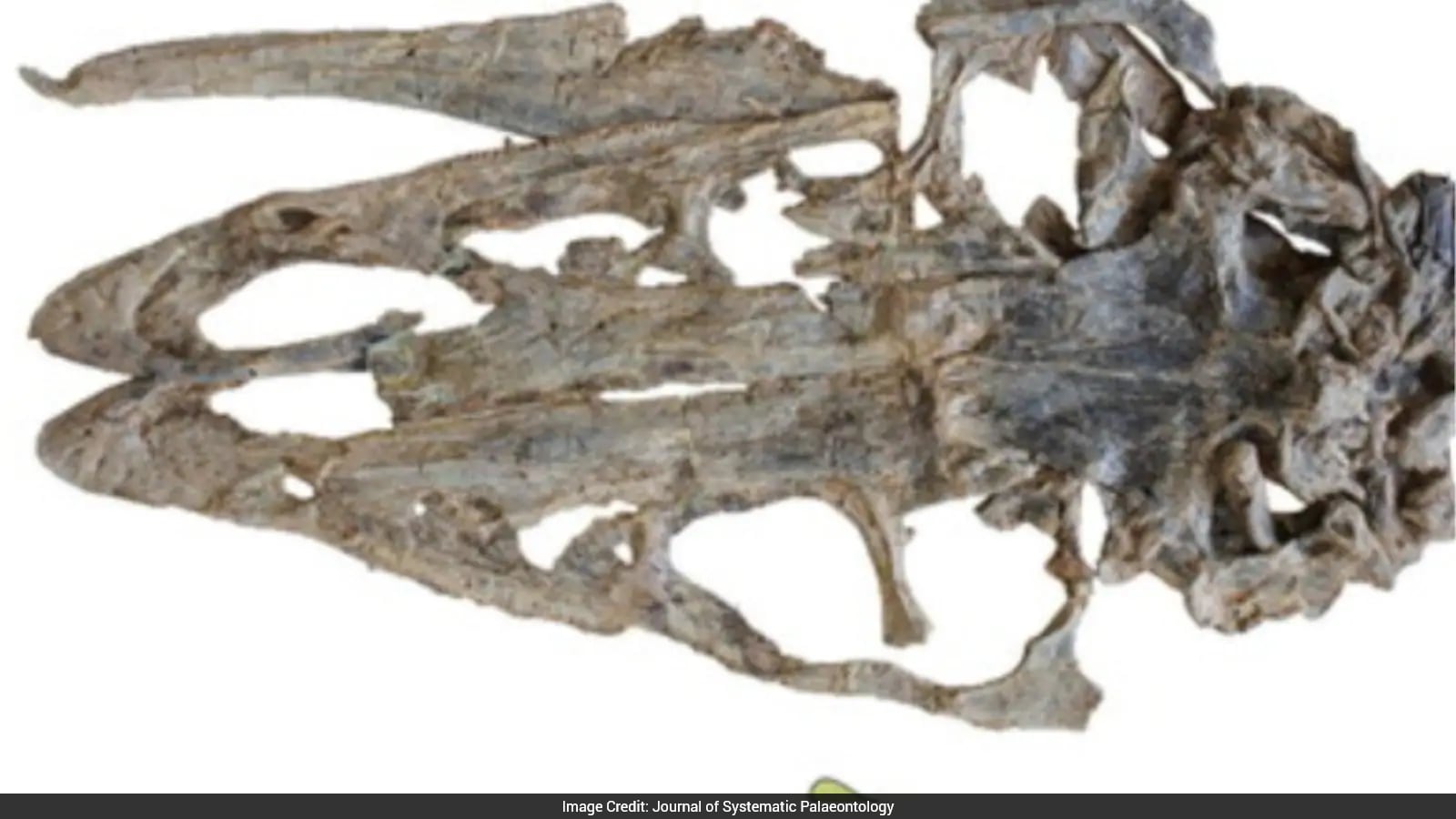
The specific name changliensis honors Changli, a historical place name originating from the Three Kingdoms period that references the geographic provenance of the fossil discovery.
Insights into Early Cretaceous Ecosystems
The Jehol Biota formation in northeastern China, which dates between 135 and 121 million years ago, is globally renowned for yielding exceptionally preserved fossils, particularly feathered dinosaurs. The addition of this large-bodied herbivorous dinosaur helps bridge morphological gaps between previously described taxa within the region.
Kayrasaurus changliensis, together with the results of our phylogenetic analysis, provides new insights into the morphological evolution and ecological adaptations of therizinosaurians in the Jehol Biota.
Researchers, Journal of Systematic Palaeontology
Despite the high quality of the remains, the study’s authors emphasize that their current interpretations remain provisional due to missing limb elements. Continued fieldwork, additional fossil discoveries, and deeper biomechanical analyses remain necessary to test and refine hypotheses regarding the origin and diversity of this enigmatic dinosaur group.
Keep reading
NASA Names Four Astronauts for SpaceX Crew-14 Mission to ISS
NASA has assigned four astronauts from three space agencies to the SpaceX Crew-14 mission, targeting a Falcon 9...
Black Hole Shock Waves Spark Star Formation in Nearby Galaxies
Astronomers studying nine local galaxies have discovered that shock waves from active supermassive black holes consistently travel perpendicular...
UBC Researchers Discover Two New Sea Spider Species in the Salish Sea
Researchers at the University of British Columbia have discovered two new species of sea spiders, Callipallene pilosuspedes and...

Climate Impact Lab Projects 450,000 Heat Deaths From Super El Niño
A newly released Climate Impact Lab report projects that more than 450,000 people worldwide could die from excessive...