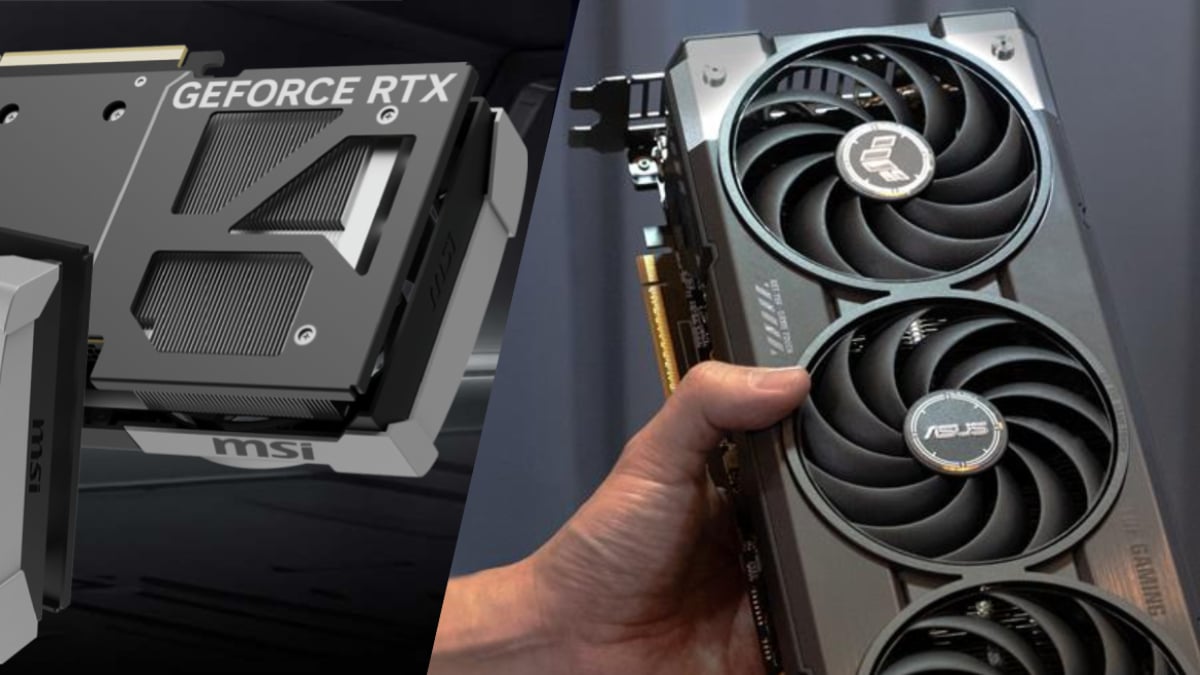
Graphics card prices have risen in 2026, driven by factors such as memory shortages, rising silicon costs from manufacturers like TSMC, and heavy enterprise demand for high-end hardware, with further price increases expected for AMD.
Price Comparison Data Reveals Major Hardware Increases Since June
Graphics card pricing has climbed sharply over the past three months across major hardware markets, according to metrics shared by PriceSquirrel based on European tracking. Across 179 tracked Nvidia models, the average price sat at €783 in June, while 71 AMD Radeon models averaged €644 during the same timeframe. By September, those averages jumped by 41.3% for Nvidia and 28.3% for AMD, pushing the Nvidia average past the four-figure mark.
The flagship Nvidia RTX 5090 reached more than $6,500 on Amazon earlier in the month, with prices continuing to climb alongside minimal retail stock.

Upstream Supply Pressures and TSMC Wafer Costs
The underlying catalyst for the hardware inflation involves severe pressure throughout the semiconductor supply chain. Taiwanese semiconductor manufacturer TSMC has faced rising raw material costs under geopolitical pressure, forcing the foundry giant to adjust its wafer pricing across nodes ranging from the 2 nm N2 process down to older mature nodes.
As a fabless designer, AMD cannot negotiate or dictate lower rates for silicon wafers and must pass those upstream costs along to maintain business margins. According to ChannelGate, AMD is preparing a 10% price increase across its product ecosystem, which will impact GPUs, motherboard chipsets, and potentially CPUs. While AMD has previously adjusted pricing for processors and graphics cards due to high DRAM demand, this marks a rare instance where motherboard chipsets are also facing direct price increases, forcing motherboard manufacturers to adjust their own retail pricing.
Enterprise Demand and Memory Shortages Straining Supply
Beyond wafer manufacturing expenses, memory shortages are severely constraining production capacity. The flagship RTX 5090 is packed with 32GB of GDDR7 VRAM, making its production highly sensitive to DRAM availability. Meanwhile, AMD’s flagship RX 9070 XT features 16GB of GDDR6 VRAM and is positioned to compete directly against the Nvidia RTX 5070 Ti.
Commercial buyers are further disrupting consumer inventory. AI firms are purchasing the gaming-focused RTX 5090 in bulk to serve data center workloads. For enterprise comparison, Nvidia’s server-focused 96GB RTX Pro 6000 jumped to $16,000 last month.
Upcoming Fourth-Quarter Market Adjustments
Market observers note that the reported Q4 price hikes for AMD are still pending implementation. Shoppers evaluating Radeon models are advised to act quickly, with upcoming retail events such as Amazon’s Prime Day scheduled for October 6 and October 7 approaching.
Keep reading

Nvidia and OpenAI Implement Safety Guardrails Amid AI Growth
Advanced artificial intelligence developers are tightening safety guardrails and pulling back on major model rollouts amid growing concerns...

Tanzania Explores Helsinki Startup Ecosystem to Boost Tech Hub Ambitions
Tanzania’s ambition to become a regional technology hub relies on more than digital infrastructure, with a study visit...

Apple releases iOS 27.0.1 for iPhone, here’s what’s new
Apple released iOS 27.0.1, delivering essential bug fixes for iPhone 18 Pro Face ID authentication crashes, camera color...

Best iRobot Roomba 105 Deals Ahead of Prime Big Deal Days
As Amazon prepares for its Prime Big Deal Days sale on October 6 and 7, early discounts have...