
Two pediatric case reports detail rare presentations of Drug Reaction with Eosinophilia and Systemic Symptoms (DRESS) syndrome in young patients, highlighting severe multiorgan complications including refractory seizures, gastrointestinal strictures, hepatic failure, and features suggestive of macrophage activation syndrome following exposure to high-risk antiepileptic medications.
Pediatric DRESS Case Highlights Refractory Status Epilepticus and Bowel Strictures
An 11-year-old male with no significant prior medical history experienced generalized tonic-clonic seizures that escalated into status epilepticus according to a case report published in Sciencedirect. Clinicians diagnosed the patient with new-onset refractory status epilepticus (NORSE) and febrile infection-related epilepsy syndrome (FIRES) of unknown etiology.
Over a three-month period, the patient developed multiorgan dysfunction linked to DRESS syndrome. Complications included severe enteropathy accompanied by hematochezia, hypogammaglobulinemia, and progressive liver dysfunction. Medical imaging identified secondary sclerosing cholangitis, a duodenal hematoma following an endoscopic retrograde cholangiopancreatography (ERCP), and worsening small bowel strictures.
While temporary interventions such as ureteral and biliary stenting alongside gastric decompression offered partial relief, obstructive symptoms persisted despite two and a half months of conservative management. The patient ultimately underwent an exploratory laparotomy that involved the resection of the diffusely involved jejunum, a primary anastomosis, and multiple stricturoplasties. Following an uncomplicated postoperative recovery characterized by gradual improvements in bowel function and successful feeding tolerance, the patient was discharged five weeks after surgery.

Adolescent Girl Faces Fulminant Multiorgan Involvement and Hepatic Injury
In a separate case report published in Cureus, a 15-year-old girl being treated for epilepsy developed a fatal case of severe DRESS syndrome. The patient had been prescribed lamotrigine and carbamazepine approximately seven to eight weeks prior to the onset of her symptoms, matching the typical latency period for the condition. Because both medications are high-risk aromatic anticonvulsants, identifying a single culprit drug proved difficult, prompting the prompt discontinuation of both treatments.
The patient was initially admitted to the hospital under the suspicion of measles encephalitis, presenting with fever and drowsiness. Physical examinations revealed hepatomegaly without lymphadenopathy, while laboratory work showed marked leukocytosis at 19,500 cells per cubic millimeter alongside moderate eosinophilia and an elevated monocyte count. Infectious screenings for Epstein-Barr virus, cytomegalovirus, human immunodeficiency virus, and hepatitis A, B, and C returned negative.
- Marked elevations in AST and ALT levels paired with severe hepatic synthetic dysfunction, reflected by a prothrombin time of only 8%.
- Acute kidney injury indicating significant renal involvement.
- Pulmonary involvement marked by infiltrates visible on chest radiography.
- Laboratory findings including elevated lactate dehydrogenase and triglycerides, raising strong concerns for macrophage activation syndrome.
With supportive care, including skin management, nutritional support, and fever control, the patient showed temporary signs of recovery. Her hepatic synthetic function improved as prothrombin time rose to 70% and serum albumin reached 35.3 grams per liter, while her eosinophil count normalized to 300 cells per cubic millimeter. However, the fulminant nature of the multiorgan involvement ultimately proved fatal.
Consensus Recommendations Emphasize Early Severity Assessment
Both medical teams highlighted the diagnostic utility of the RegiSCAR scoring system, which standardizes suspected cases by evaluating criteria such as fever, lymphadenopathy, atypical lymphocytes, eosinophilia, skin eruption characteristics, internal organ involvement, and the exclusion of alternative diagnoses. Recent pediatric consensus recommendations highlight the necessity of early severity assessments and danger-sign monitoring when managing children with suspected DRESS.
Current guidance dictates that any suspected culprit medications, as well as cross-reactive drugs, must be stopped immediately. For pediatric patients experiencing severe gastrointestinal complications like fibrous strictures that fail to resolve with conservative care, surgical resection remains a vital intervention to restore bowel patency.
Worth a look

George Washington University Studies Cancer Survivorship Care Models
Global cancer survivorship has reached an estimated 19.3 million new diagnoses, prompting researchers and clinicians to reevaluate how...
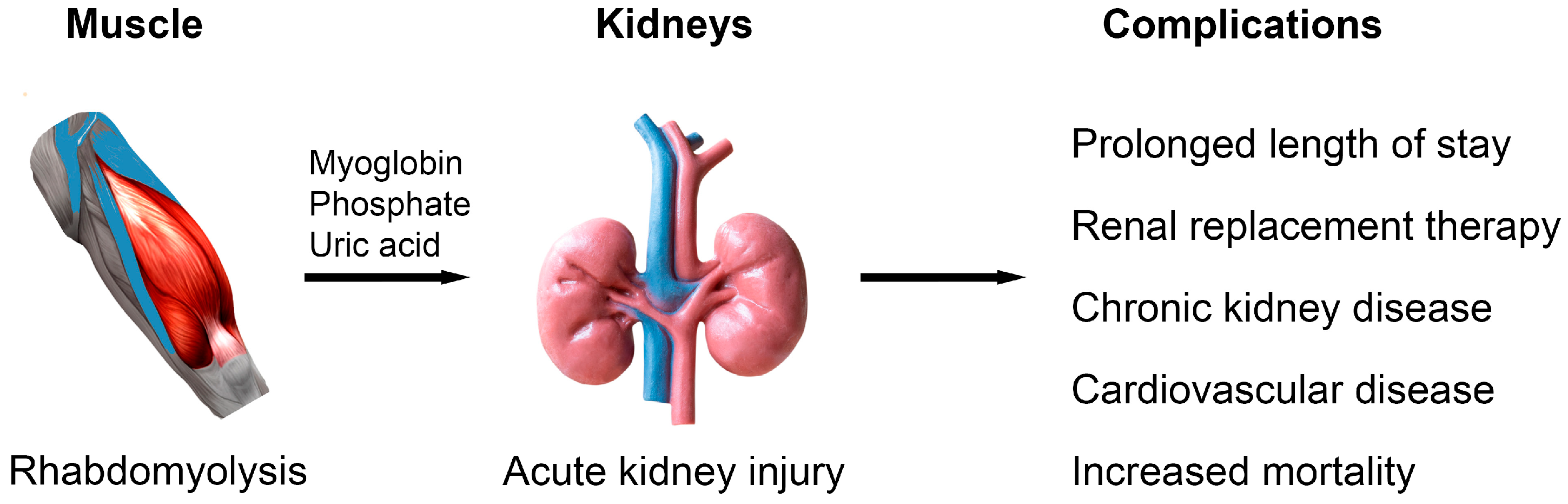
Amphetamine-Associated Rhabdomyolysis Triggers Severe Kidney Injury
Massive amphetamine-associated rhabdomyolysis can trigger severe metabolic, cardiovascular, and renal complications, including acute kidney injury requiring dialysis, as...

Researchers at the University of Virginia developed new imaging technique to study Alzheimer’s disease metabolism and oxygen use
Researchers at the University of Virginia combined two-photon fluorescence lifetime imaging microscopy with phosphorescence lifetime imaging microscopy in...
Marjan Monfared Develops PrevenTherm System to Detect Pressure Injuries
Marjan Monfared, a fellow of the 2026 Women Who Empower Innovator Awards, has developed the PrevenTherm Monitoring System...