
Global cancer survivorship has reached an estimated 19.3 million new diagnoses, prompting researchers and clinicians to reevaluate how post-treatment follow-up care is delivered across health systems.
The sheer volume of individuals living after a primary cancer diagnosis strains traditional hospital-based clinics. With global figures projected to reach 28.4 million by 2040, medical systems face mounting pressure to restructure routine monitoring. While definitions of a cancer survivor
span from the moment of diagnosis onward, the post-treatment phase presents unique logistical challenges for patients adjusting to long-term physical, psychosocial, and practical realities. Some patients face lasting physical, psychosocial, spiritual, and practical challenges as they adjust to life after cancer.
Comparative Research at George Washington University
The Evaluating Cancer Survivorship Care Models project is an innovative three-year comparative effectiveness research study that examines how to best deliver follow-up care to cancer survivors. The project examines alternative post-treatment follow-up structures for adults treated for non-metastatic breast, prostate, or colorectal cancer. Cancer is a complex disease requiring complex treatments that can cause lasting impacts after treatment ends.
The first phase of the project utilized a mixed methods approach involving a secondary analysis of existing data from four national surveys, focus groups with cancer survivors, conducted an environmental scan of existing survivorship programs and administered a national survey of cancer survivors to create an outcomes tool and a prospective observational comparative effectiveness research study. Based on results from the first phase, the study team at the George Washington University created a patient-centered index to identify services and components of care that patients equate with high quality survivorship care. Three models of survivorship care at Commission on Cancer-accredited institutions were identified through the environmental scan.
Comparisons of Care Models in Randomised Trials
Recent narrative reviews mapping randomised controlled trials across different care models highlight alternative approaches to traditional specialist follow-up. Systematic reviews and overviews have compared whole models of care, including shared, general practitioner-led, nurse-led, or patient-initiated follow-up, with specialist-led care, or have evaluated a single intervention type such as survivorship care plans. Structured shared care establishes a formal, explicit division of responsibilities between oncology and primary care through defined roles and information exchange. Meanwhile, patient-initiated follow-up replaces fixed-schedule hospital visits with patient-triggered access paired with symptom-recognition guidance.
- The SCORE trial involving 150 colorectal cancer patients demonstrated non-inferiority on global quality of life with a mean difference of −4.0 points and a 95 percent confidence interval ranging from −9.0 to 0.9 with a non-inferiority margin of −10, alongside similar unmet needs, satisfaction, and recurrence outcomes, better adherence to recommended carcinoembryonic antigen surveillance, and lower overall costs.
- A systematic review of patient-initiated follow-up across ten randomised trials found that the approach did not appear to affect recurrence detection or patient-reported outcomes in breast cancer while successfully reducing clinic visits.
Survivorship Care Plans and Mortality Outcomes
At the American Society of Clinical Oncology Quality Care Symposium, new data from an analysis of more than 34,000 patients demonstrated that receipt of a survivorship care plan was strongly associated with improved survival across various age brackets and disease types.
The degree of reduction in mortality and the fact that it was seen across almost all age brackets and disease types was surprising.
Dr. Anne Hudson Blaes, Study Lead via Oncodaily
Readers reviewing this evidence should consult qualified medical professionals before making decisions regarding post-treatment care plans, follow-up schedules, or symptom management strategies.
Worth a look
- Amphetamine-Associated Rhabdomyolysis Triggers Severe Kidney Injury
- Researchers at the University of Virginia developed new imaging technique to study Alzheimer’s disease metabolism and oxygen use
- University of Liverpool opens first Karnataka campus in Bengaluru for 300 students (newsarchyuk.com)
- University of Edinburgh researchers link aging brain cells to decline (archyde.com)
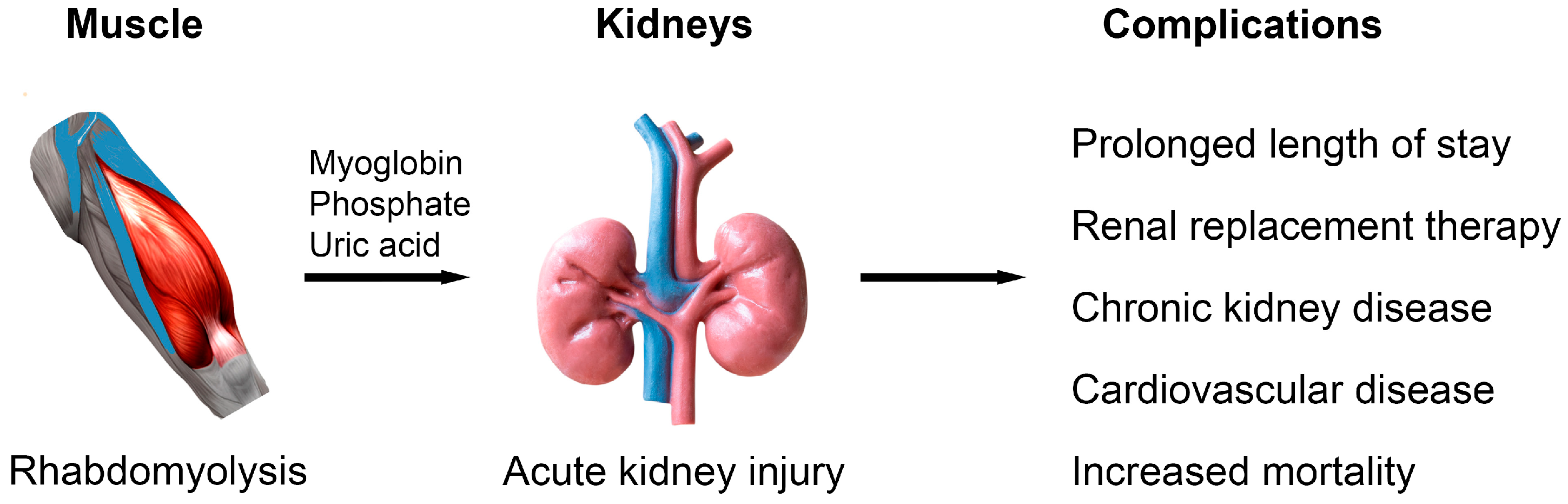
Amphetamine-Associated Rhabdomyolysis Triggers Severe Kidney Injury
Massive amphetamine-associated rhabdomyolysis can trigger severe metabolic, cardiovascular, and renal complications, including acute kidney injury requiring dialysis, as...
Researchers at the University of Virginia developed new imaging technique to study Alzheimer’s disease metabolism and oxygen use
Researchers at the University of Virginia combined two-photon fluorescence lifetime imaging microscopy with phosphorescence lifetime imaging microscopy in...
Marjan Monfared Develops PrevenTherm System to Detect Pressure Injuries
Marjan Monfared, a fellow of the 2026 Women Who Empower Innovator Awards, has developed the PrevenTherm Monitoring System...

Researchers at the University of Washington’s David Baker lab develop working molecular scissors
Researchers at the University of Washington Institute for Protein Design have used artificial intelligence to engineer synthetic proteases...