
“All eyes are on Alaska, and that’s kind of why they sent me here, especially to Juneau, to sort of be the eyes and ears on the ground of what might happen statewide,” Isabelle Schmeler, a county captain for NBC News, told alaskasnewssource.com as the state enters what could possibly be its most contentious and watched election yet.
Voters across Alaska are heading to the polls in droves, unfazed by rainy weather or the intense national spotlight shining on the state’s congressional balance of power. At the center of this electoral storm is the Senate race between incumbent Republican Sen. Dan Sullivan and challenger, Democrat Mary Peltola, a contest drawing national attention and a new level of scrutiny to the state’s electoral system.
Inside the Juneau Ballot Transport and Security Measures
With the state serving as a potential epicenter for control of Congress, the Alaska Division of Elections (DOE) has detailed the strict physical security protocols governing incoming votes. In a media advisory provided to alaskasnewssource.com, the agency outlined how ballots move from local precincts to headquarters.
“Ballots, machines, and keys are locked with tamper proof seals and stored behind locked doors, monitored by cameras and security systems,” the advisory stated. The state utilizes paper ballots, which the DOE claims is “one of the most secure forms of voting because they provide a physical paper trail that can be followed if there are any questions about the outcome of an election and are used during reviews and audits.”
Following Election Day, a state review board will select random precincts to conduct a hand-count. The selected precincts must account for at least 5 percent of the total votes cast in each of the 40 house districts. If any hand-count verification yields a discrepancy of more than 1 percent, a complete hand-count of every ballot in that district becomes mandatory—a threshold the DOE notes has never happened.
Voter Unfamiliarity and Vast Geography Delay Final Tallies
The intense focus on Alaska also highlights voter unfamiliarity with the state’s ranked-choice voting system, paired with the logistical realities of tallying votes across a massive geographic expanse.
“We have been aware that a lot of people probably aren’t familiar with the system in Alaska for elections, [and] the fact that Alaska takes a while to count because it is such a big state and it takes time to transport ballots,” said Lawrence Norden, vice president of the Elections and Government Program at the Brennan Center.
Norden emphasized that the final vote tally will not come in until Nov. 18. That two-week window, he warned, will require patience from the public and clear explanations from candidates regarding security measures.

Federal Judge Dismisses Lawsuit over Candidate Name Confusion
The road to this election has faced unique hurdles, including a recent New York Times report which claims the Peltola campaign pushed for Dan J. Sullivan to run for Senate. The presence of two candidates sharing the name has sparked voter confusion concerns and led Governor Mike Dunleavy to announce a criminal investigation.
Meanwhile, the Department of Justice previously sued to isolate ballots, including both Sullivans, to determine whether they had confused voters. A federal judge dismissed that lawsuit on Sunday.
Despite these controversies and potential challenges to election certification, Norden expressed confidence in the established administrative framework. “If Alaska follows its rules, we know from challenges that have happened in other states around the country to election certification, if the rules are followed, the election is going to be certified,” he said.
Early voting numbers indicate this is one of the most-participated-in elections in Alaska’s history, proving that despite national polarization and logistical hurdles, Alaska’s electorate remains fully engaged.
Related reading

6 Arizona Highways Closed Due to Flooding and Rockfall
Major Arizona Highway Closures Following Severe Weekend Flooding Heavy rainfall across central and northern Arizona has triggered a...

Alaska Court Dismisses DOJ Lawsuit to Segregate Senate Ballots
Judge Gleason Dismisses DOJ Lawsuit Over Alaska Ballot Segregation A federal judge in Alaska has rejected a last-minute...
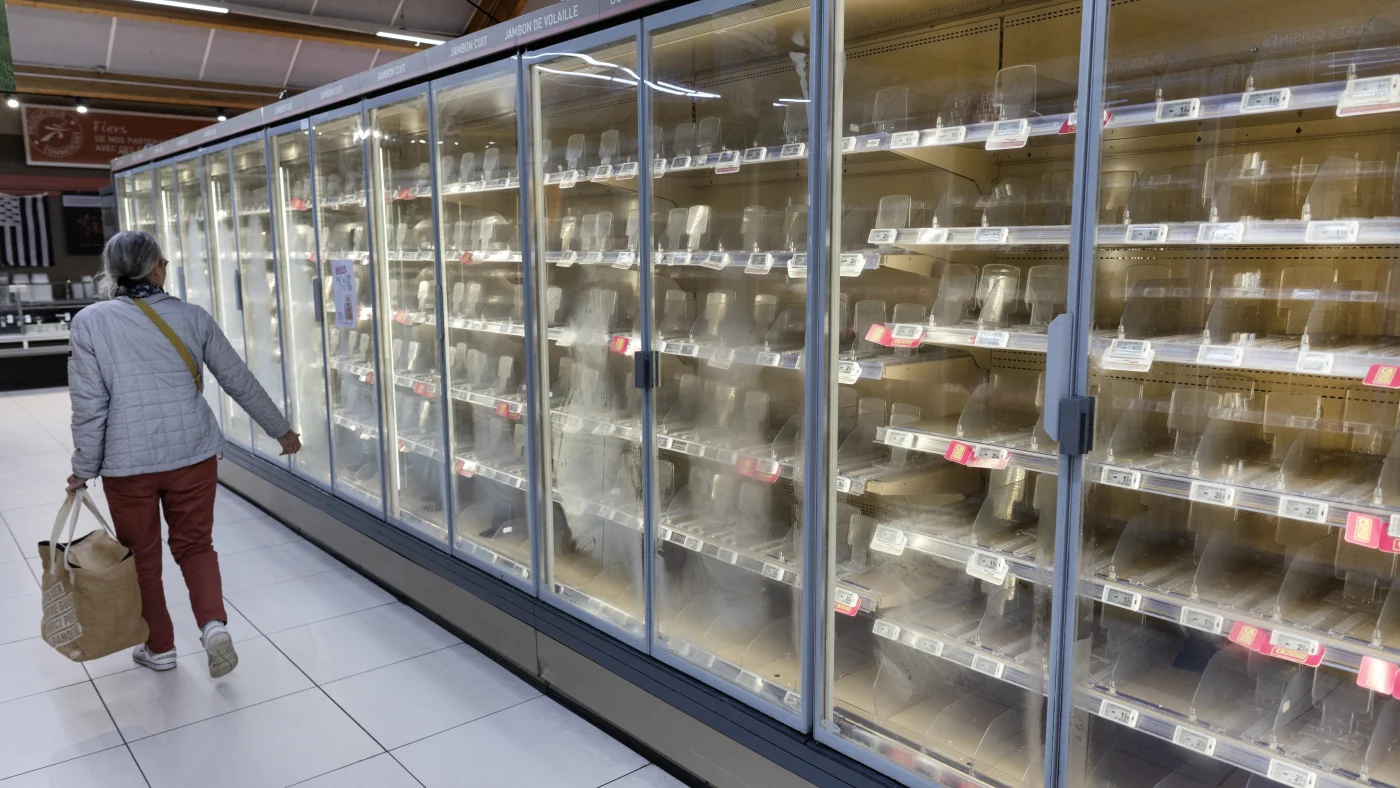
Global Cyberattacks Target Supermarket Refrigeration Systems to Spoil Food Supply
"They were blown up": Cyberattacks Destroy Industrial Refrigeration Hardware "They were blown up ... they got overused and...

Wisconsin Basketball Grinds Out Season-Opening Win Over Denver
Wisconsin secures 75-68 home-opening win behind frontcourt physicality The University of Wisconsin basketball team opened its 2026-27 campaign...