Judge Gleason Dismisses DOJ Lawsuit Over Alaska Ballot Segregation
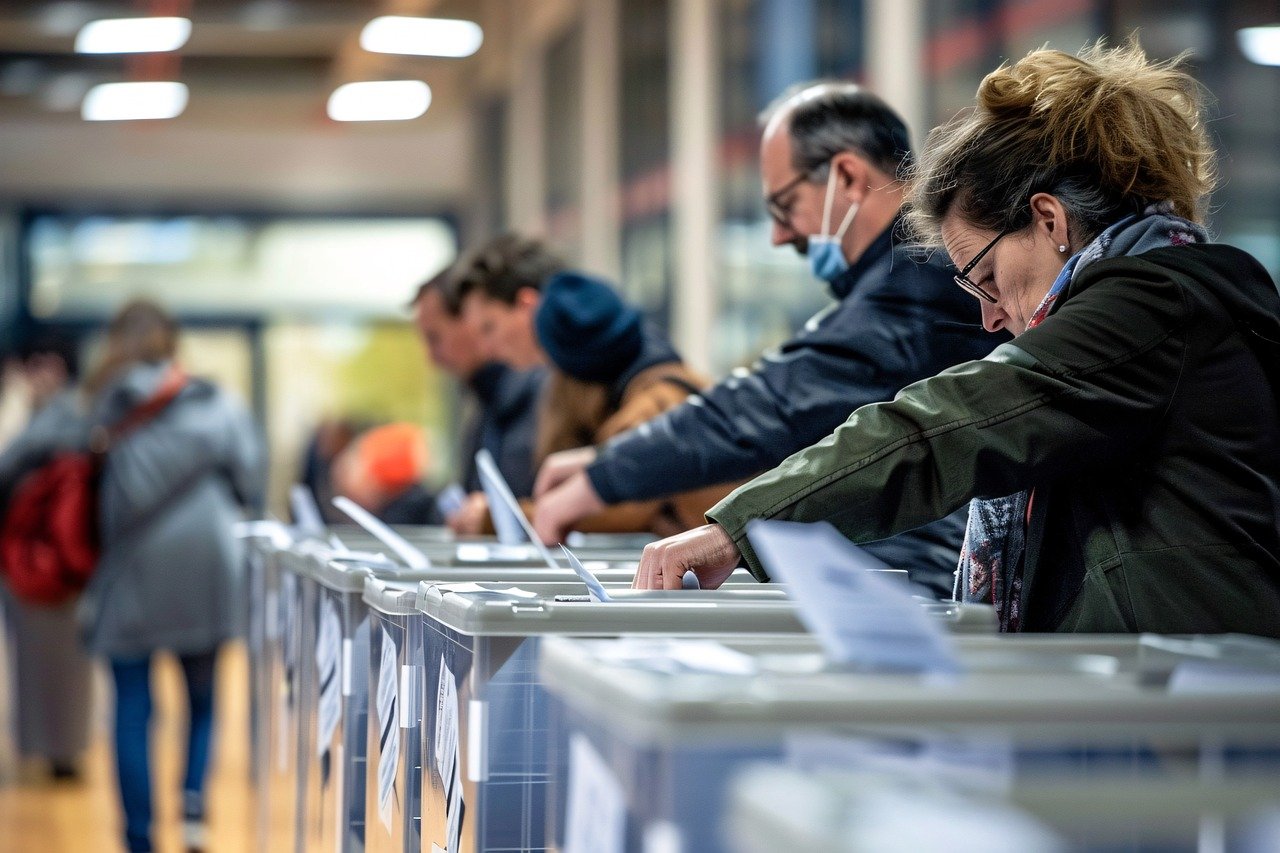
A federal judge in Alaska has rejected a last-minute attempt by the Department of Justice to alter election procedures just days before the midterm polls open. On Sunday, US District Judge Sharon Gleason dismissed the government’s lawsuit, which sought to segregate ballots and delay the certification of the state’s Senate contest. The decision clears the path for Tuesday’s election to proceed without the administrative disruption requested by federal officials.
FEDERAL JUDGE DISMISSES DOJ’S ALASKA SENATE ELECTION LAWSUIT: WHAT THE RECORDS SHOWOn November 1, 2026, Chief U.S. District Judge Sharon L. Gleason dismissed DOJ’s lawsuit seeking federal intervention in Alaska’s November 3 Senate election.We’ve previously covered this…
The core of the legal dispute involved the presence of two candidates named Sullivan on the ballot. The Department of Justice argued that the inclusion of Daniel J. Sullivan, a retired teacher, alongside the Republican incumbent, Senator Dan S. Sullivan, would inevitably lead to voter confusion. Federal attorneys requested that ballots cast for the retired teacher be segregated, a move they claimed was necessary to protect the integrity of a high-stakes race where the Republican incumbent faces a challenge from Democratic candidate Mary Peltola.
The Court’s Ruling on Ballot Secrecy
In her ruling, Judge Gleason determined that the Department of Justice lacked the necessary standing to force such a change. More importantly, she found that the government failed to provide a workable plan for separating ballots that would not infringe upon the secret ballot, a fundamental right for American voters. The court pointed out the practical impossibility of determining a voter’s intent without compromising the anonymity of their choice.
Judge Gleason noted that ordering the segregation of ballots for a future, unspecified law enforcement investigation would likely create the very outcome the government claimed to fear. By signaling to voters that their ballots might be subject to special handling or scrutiny, the court warned that the move would likely result in voter “confusion and consequent incentive to remain away from the polls.”
Clearly, if this Court were to order that certain ballots will be segregated and subject to a future and as yet unspecified investigation by law enforcement, it would likely result in voter “confusion and consequent incentive to remain away from the polls.” Such late-breaking changes to the election rules are strongly disfavored.
Election Rules on the Eve of the Vote
The court’s decision leans on a long-standing judicial principle that federal courts should generally avoid altering election rules on the eve of a contest. The judge emphasized that such urgent, disruptive modifications are rare and carry significant risks to the public’s confidence in the electoral process. Alaskan officials had pushed back against the federal request, noting that the Department of Justice failed to present actual evidence of voter confusion.

To mitigate potential issues, the state had already included specific identifiers on the ballot. The Republican incumbent is listed as “Sullivan, Dan S. (Registered Republican Incumbent),” while the challenger is identified as “Sullivan, Daniel J. Jr.” with no party affiliation. Despite these distinctions, the Department of Justice maintained that the situation required intervention, stating, “Alaskan voters deserve a fair election, not to be misled in an attempt to rig outcomes.”
Stakes in the Senate Balance
The outcome of this Senate race is widely viewed as a potential deciding factor for the balance of power in the US Senate. With the midterm elections set for Tuesday, November 3, 2026, the dismissal of the lawsuit ensures that voters will head to the polls under the existing rules. The case highlights the tensions that can arise when federal oversight meets state-managed election administration, particularly in contests where the margin of victory could shift national legislative control.
For the voters of Alaska, the immediate impact of the ruling is a return to a standard voting process. The legal challenge, which sought to block certification in the event of an incumbent loss, has now been removed as a variable in the final hours of the campaign. As polls prepare to open across the state, the focus shifts entirely to the electorate’s decision at the ballot box.
Earlier coverage: Federal Court Dismisses DOJ Lawsuit Over Alaska Senate Election Certification
Related reading

Todd T. Schroeder of Kieler Dies at Age 62
Todd T. Schroeder: A Life of Service and Connection in Wisconsin Todd T. Schroeder, a 62-year-old resident of...

West Virginia officials and ACLU-WV provide lines to report election issues
Election Day in West Virginia: Polls Open as State Enters Final Voting Phase The polls are officially open...

Virginia voters head to polls for 2026 midterm elections
Virginia Election Day 2026: Polls Open as Control of Congress Hangs in the Balance Voters across the Commonwealth...

Apara Autism Delivers Personalized In-Home ABA Therapy in Houston
Apara Autism Center Expands in-Home ABA Services Across Houston Families navigating the complexities of autism spectrum disorder (ASD)...