Federal Court Rejects Justice Department Ballot Segregation Bid in Alaska Senate Race
Federal authorities pushed to isolate specific ballots in Alaska ahead of a high-stakes ranked-choice general election, but the move triggered an immediate court fight over voting procedures and criminal investigations. The U.S. Department of Justice asked a federal judge for an order to separate ballots ranking a candidate who shares a name with the Republican incumbent, setting off a scramble among state election officials, campaigns, and the courts just days before Tuesday’s voting.
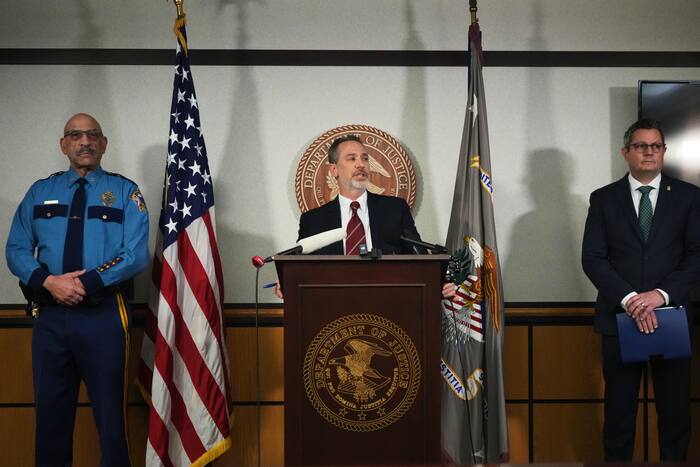
The legal clash centers on a Senate race headlined by two-term Republican Sen. Dan Sullivan and Democratic former U.S. Rep. Mary Peltola, which stands as one of a handful nationwide expected to determine control of the U.S. Senate. According to reporting from the Associated Press, Alaska U.S. Attorney Michael Heyman told reporters in Anchorage that a criminal probe into the candidacy of retired teacher Dan J. Sullivan has been ongoing for several months. Recent revelations from The New York Times that Peltola’s campaign appeared to be involved in recruiting the independent candidate triggered a significant surge of law enforcement assets to the state.
The Dueling Legal Filings and State Pushback
The Justice Department filed a lawsuit asking a judge to order state election officials to isolate all ballots ranking Daniel J. Sullivan. Alaska Assistant U.S. Attorney E. Bryan Wilson stated in a court filing that the government seeks to preserve and segregate the ballots to investigate potential voter confusion, should such an investigation become necessary. Prosecutors also filed a list of proposed questions to compel the Peltola campaign and the Democratic Senatorial Campaign Committee to answer as part of a civil case seeking to block certification of the race if the incumbent loses. President Donald Trump confirmed that he told the department to file the action.
The Department of Justice (DOJ) asked a federal judge Friday to force Alaska to preserve and segregate ballots that may have been affected by alleged voter confusion in the state’s U.S. Senate race.https://t.co/YtEu8dZjyf
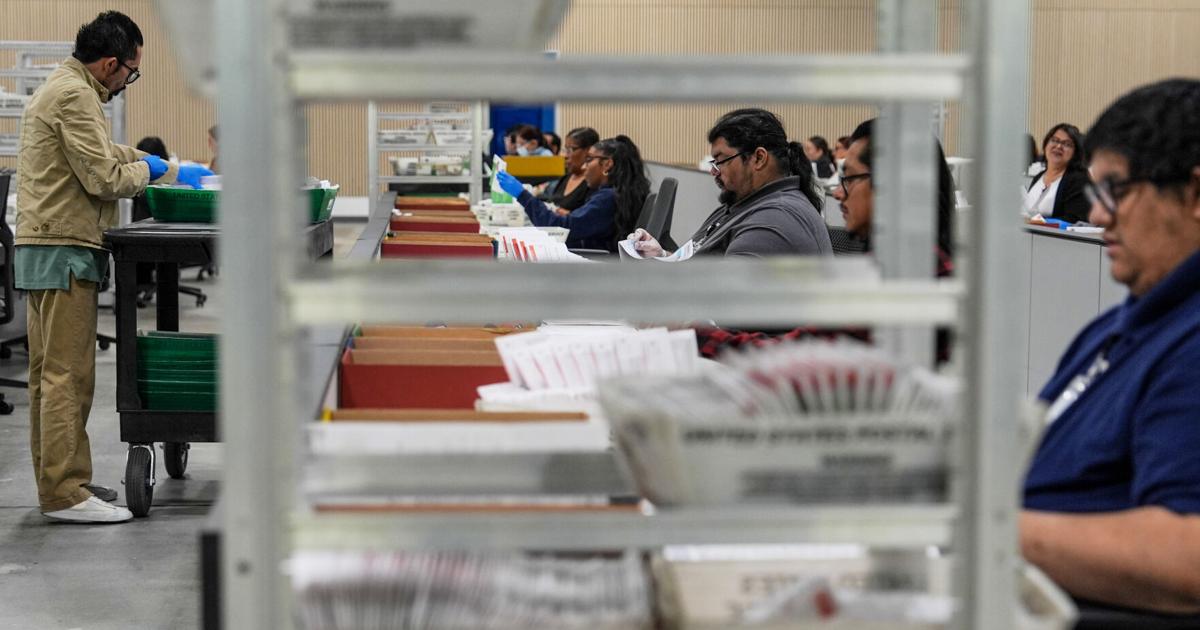
State attorneys immediately pushed back against the segregation request, questioning how such an action could even be executed. In court responses, state lawyers explained that ballots are commingled in ballot boxes on Election Day and that workers cannot separate ballots ranking Daniel J. Sullivan without violating ballot secrecy protections. They asked a judge to dismiss the case, noting that Alaska election officials already took steps to distinguish the two candidates on the ballot. The incumbent is listed as Dan S. Sullivan, Republican, while the challenger appears as Daniel J. Sullivan Jr., with no party affiliation. State attorneys argued that Alaska’s ranked-choice voting system further addresses confusion by allowing voters to rank both individuals.
Unusual Timing and Political Fallout
The timing of the Justice Department’s public announcements drew scrutiny given the agency’s longstanding practice of avoiding public steps in the weeks leading up to an election that could influence the outcome. U.S. Attorney Heyman declined to specify the potential crimes under investigation or name specific targets, though he asked members of the public to come forward with tips. Meanwhile, President Trump addressed the case during a Florida rally, stating that Peltola and Dan J. Sullivan should be prosecuted and directly asking U.S. Attorney General Todd Blanche about decisions regarding the litigation.
Peltola denied any knowledge of or involvement in the effort to place Dan J. Sullivan on the ballot. Speaking at a campaign rally in Anchorage, she said she was deeply offended by the accusations and emphasized that she does not need help winning outside of voter support. Democrats and the DSCC have repeatedly denied participating in campaign tricks, and Dan J. Sullivan has maintained that he did not run at the behest of Democrats. Federal prosecutors issued dozens of grand jury subpoenas and requests to preserve records this week, according to a person familiar with the matter cited by the Associated Press, while Alaska Gov. Mike Dunleavy ordered a separate state investigation into whether violations occurred.
Worth a look

Montana’s 1st District Becomes Surprise Toss-Up as Political Divisions Split Families
Montana's 1st Congressional District Shifts to a Toss-Up A toss-up race in deep red Montana territory mirrors a...
Ninth Circuit Clears Idaho to Enforce Abortion Ban Pending Appeal
Ninth Circuit Freezes Injunction, Allowing Idaho to Enforce Abortion Ban in Health-Risk Cases A divided federal appeals court...

Lincoln Secures $11.7 Million Federal Grant to Improve West O Street
Lincoln Secures $11.7 Million for West O Street Safety Overhaul The city of Lincoln has been awarded an...

Morning Keys: Tobin on recovering Amoris Laetitia – Where Peter Is
Cardinal Tobin Assesses Amoris Laetitia Recovery Amid Surgery Cardinal Joseph Tobin of Newark published a column declaring that...