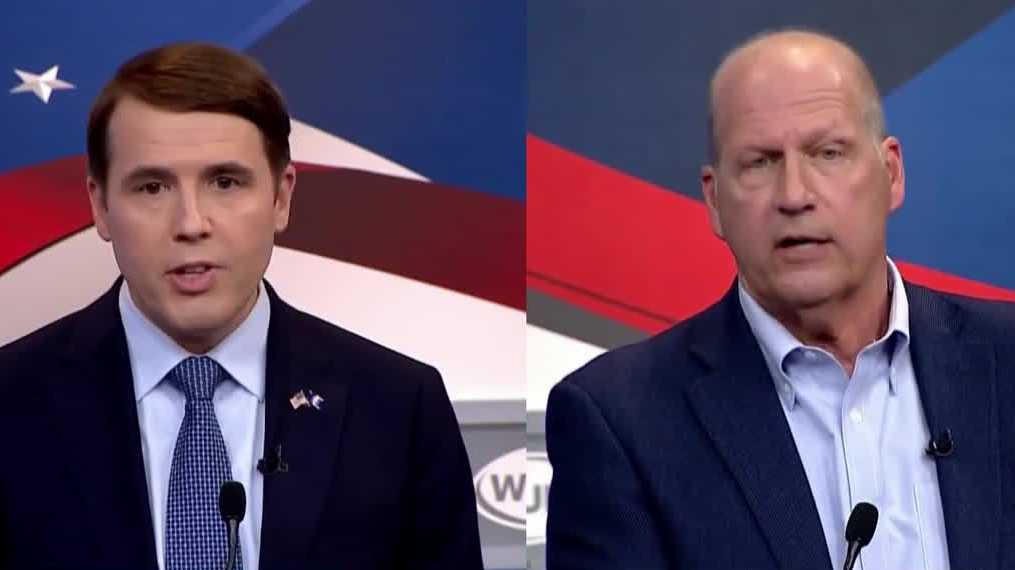
Chris Pappas and John E. Sununu are set to determine New Hampshire’s U.S. Senate seat as Election Day approaches, with voters poised to decide the outcome. The race, which has drawn national attention, has been marked by a low-profile campaign style from both candidates, according to a WMUR analysis. Democratic nominee Pappas, who could become the first out gay man elected to the U.S. Senate, and Republican nominee Sununu, a former senator known for his intellect in the 2000s, have avoided high-profile political battles or social media-driven campaigns.
The race has seen significant outside spending, with polls indicating Pappas holds a lead. However, New Hampshire voters are treating the contest as a close race, with campaigns shifting from “persuasion mode” to get-out-the-vote efforts in the final days. The decisive factor, however, remains the state’s largest voting bloc: undeclared or independent voters, whose choices on Tuesday could determine whether the outcome leans Democratic, Republican, or splits the state’s electoral influence.
Candidates’ Low-Profile Campaigns
Both Pappas and Sununu have adopted a “nose-to-the-grindstone” approach, focusing on campaign strategies that eschew social media prominence or overt political combat. This contrasted with the broader national attention the race has received, as described in the WMUR report. The candidates’ efforts have been supplemented by extensive outside spending, which the analysis noted as a defining feature of the contest.
Undecided Voters as Key X-Factor
New Hampshire’s electorate, particularly its independent voters, remains the central unknown in the race. The analysis highlighted that the “little bubbles on the ballot” filled by these voters will likely be decisive, shaping whether the result reflects a Democratic majority, Republican resilience, or a split decision.
Analysis: New Hampshire's closely watched US Senate race coming to an end | Click on the image to read the full story pic.twitter.com/fLEcvDyDj3
Related reading

Wilma Emmalee Austin of Huntsville, Arkansas Passes Away at 84
A Life of Connection in Northwest Arkansas Wilma Emmalee Austin, a longtime resident of Huntsville, Arkansas, passed away...
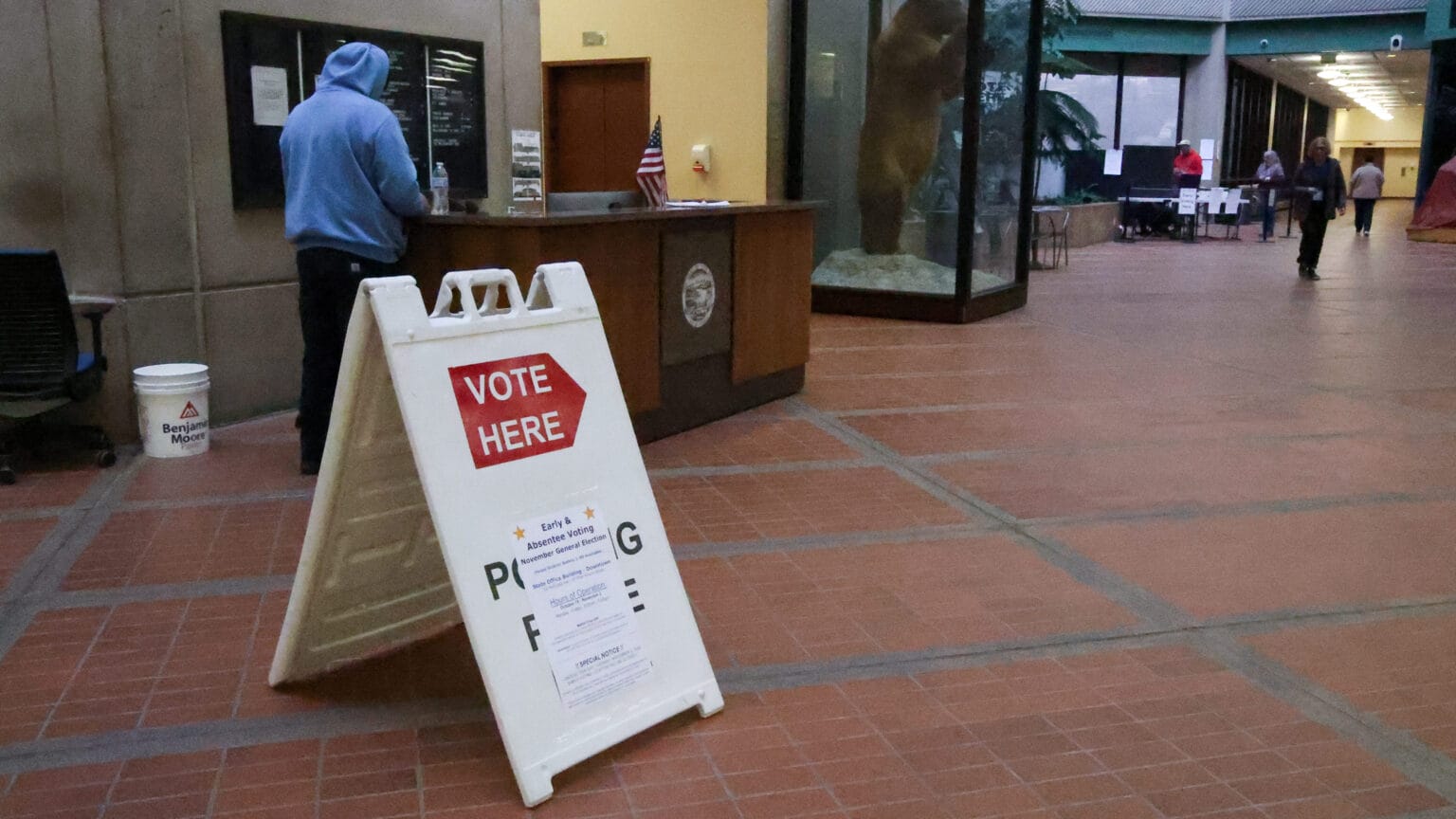
Election Day is Tuesday. Here’s where you can vote in Juneau. – KTOO
Alaska’s Juneau Votes in a Crucible of Change On Tuesday, November 2, 2026, voters in Juneau, Alaska, will...

Jury Convicts Little Rock Woman of Conspiracy to Commit Sex Trafficking of a Minor
Federal Jury Convicts Little Rock Woman in Sex Trafficking Conspiracy In a case that underscores the relentless efforts...

Women’s Basketball opens with Mississippi State in Starkville – University of North Alabama Athletics
North Alabama Women’s Basketball Faces SEC Powerhouse Mississippi State in Starkville The University of North Alabama women’s basketball...