
As the midterm elections approach, election officials across the United States are preparing for potential federal interference while remaining confident in the resilience of state-administered voting systems. The White House, facing declining approval ratings over economic issues, has escalated legal and political attacks on state-run elections, filing lawsuits against Alaska and California and demanding that Washington state officials scrutinize ballots from 400 alleged noncitizens. These moves have set the stage for a high-stakes Supreme Court showdown, but election experts argue that the decentralized nature of U.S. voting infrastructure will protect the integrity of the process.
The Stakes of a Polarized Election
The outcome of the midterms could determine control of Congress and state governments, with implications for limiting the influence of former President Donald Trump, who continues to challenge election results. Trump’s long-standing efforts to undermine trust in voting systems—through claims of voter fraud, voter roll purges, and attempts to nationalize elections—have left a legacy of skepticism. Yet, state officials have spent years strengthening safeguards, preparing for scenarios ranging from federal law enforcement at polling places to legal challenges over vote counts.
“There’s no one person or agency that controls our elections as a whole,” said Mai Ratakonda, program director of election protection at States United Democracy Center. “Instead, it’s thousands of nonpartisan officials who administer these elections, and they’ve built systems with multiple layers of checks.”
Local Officials Stand Their Ground
In Washington state, Mary Hall, auditor of Thurston County, emphasized her commitment to upholding the Constitution despite political pressure. Her district includes a key congressional race that could tip the balance of power in Congress. “I don’t feel any pressure from them,” Hall said of Republican leaders. “If they try to insert pressure, I won’t respond.”
New Hampshire Secretary of State David Scanlan, a Republican, echoed this sentiment, calling federal actions “more of a distraction than an obstacle.” He cited the state’s history of handling electoral scrutiny, including its first-in-the-nation presidential primaries, as evidence of its readiness. “We can handle the pressure,” he said. “New Hampshire will have a solid election.”

Historical Precedents and Legal Safeguards
The current tension mirrors the chaos following the 2020 presidential election, when Trump’s claims of fraud led to widespread efforts to bolster confidence in state and local election systems. Since then, experts have worked to reinforce trust in decentralized voting infrastructure. Courts have repeatedly blocked attempts to overturn election results, including Trump’s efforts to interfere in Georgia, where Republican Secretary of State Brad Raffensperger refused to alter the outcome.
“Election officials are all about the rule of law,” said former Pennsylvania Secretary of State Kathy Boockvar, a Democrat. “They know their jurisdictions’ laws and processes, and they’re committed to following them. Systems are designed with strict protections, and courts would block any baseless challenges.”
The Human Cost of Electoral Uncertainty
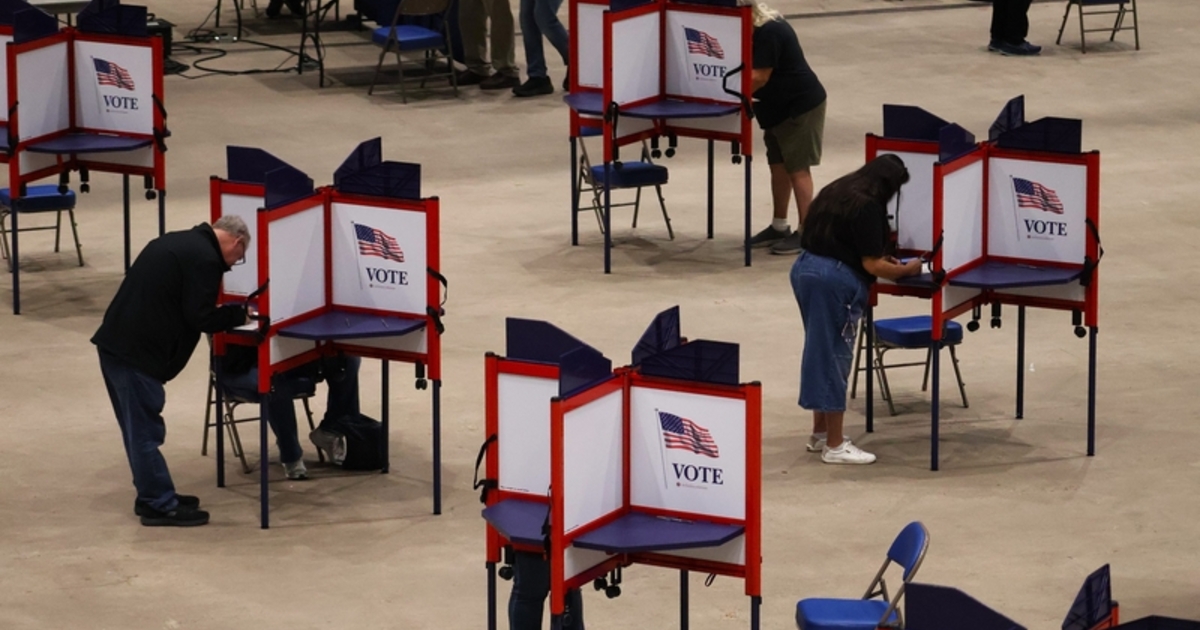
For voters, the uncertainty surrounding federal interference raises concerns about access and fairness. In Arizona’s Pinal County, election officials conducted exercises to simulate scenarios like power outages and protests.
Experts like Alex Gulotta of All Voting is Local argue that Arizona’s bifurcated system—dividing election duties between county boards and recorders—limits the power of any single official to alter results.
The Risk of Close Races and Federal Pressure
Gulotta warned that tightly contested congressional races could tempt federal officials to pressure counties into delaying certification. “The biggest antidote to that is overwhelming turnout,” he said, noting that high voter participation reduces the likelihood of razor‑thin margins. This concern is shared by election administrators nationwide, who have spent months preparing for disruptions while emphasizing transparency.
Georgia’s U.S. Department of Justice has deployed monitors to six Democratic‑leaning counties, and Raffensperger insisted that the process would remain open to observers from both parties.
The Unspoken Threat: Voter Confidence
Despite these safeguards, the political climate has taken a toll on public trust. In Arizona, Lewis noted increased skepticism among residents, driven by years of misinformation. “We’ve had big turnover in election administrators and poll workers,” she said. “But we’re working to show how elections operate and reinforce our commitment to accuracy.”
The challenge, as Boockvar put it, is ensuring that “the institutions will hold.” For many, the midterms represent a test of that promise—and a reckoning for a political system that has long weaponized election integrity for partisan gain.
The stakes are highest for communities in swing districts, where close races could determine control of Congress. Voters in states like New Hampshire, Arizona, and Washington face a unique mix of preparation and peril, as officials balance legal obligations with the pressure of a deeply polarized nation.
What’s next? The outcome will not only shape the balance of power in Washington but also set a precedent for how future elections are contested—and protected.
As Lewis put it, “We’ve gone through several of these scenarios, and we work through it. That’s what we do.”
Related reading

Wilma Emmalee Austin of Huntsville, Arkansas Passes Away at 84
A Life of Connection in Northwest Arkansas Wilma Emmalee Austin, a longtime resident of Huntsville, Arkansas, passed away...
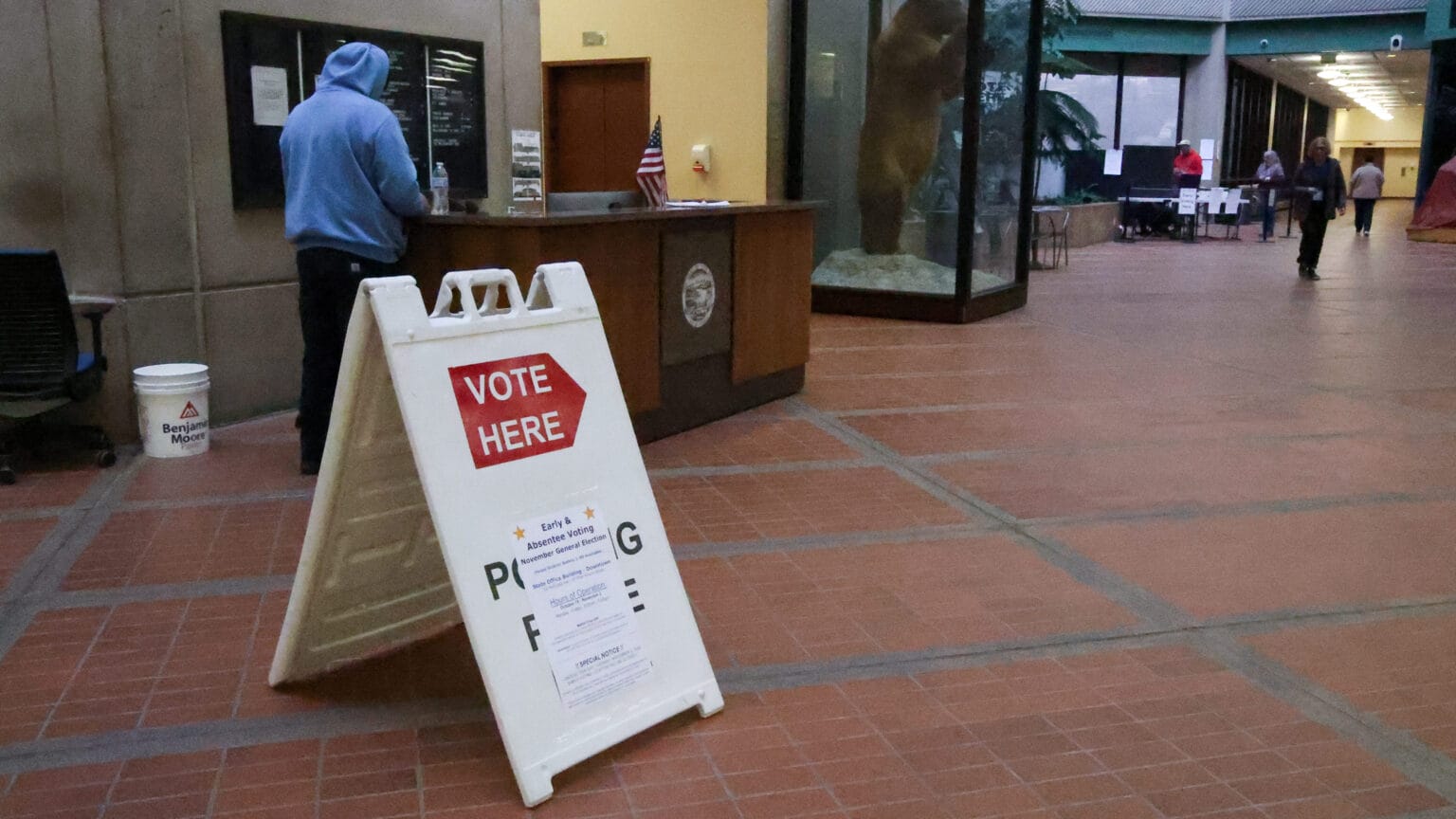
Election Day is Tuesday. Here’s where you can vote in Juneau. – KTOO
Alaska’s Juneau Votes in a Crucible of Change On Tuesday, November 2, 2026, voters in Juneau, Alaska, will...

Jury Convicts Little Rock Woman of Conspiracy to Commit Sex Trafficking of a Minor
Federal Jury Convicts Little Rock Woman in Sex Trafficking Conspiracy In a case that underscores the relentless efforts...

Women’s Basketball opens with Mississippi State in Starkville – University of North Alabama Athletics
North Alabama Women’s Basketball Faces SEC Powerhouse Mississippi State in Starkville The University of North Alabama women’s basketball...