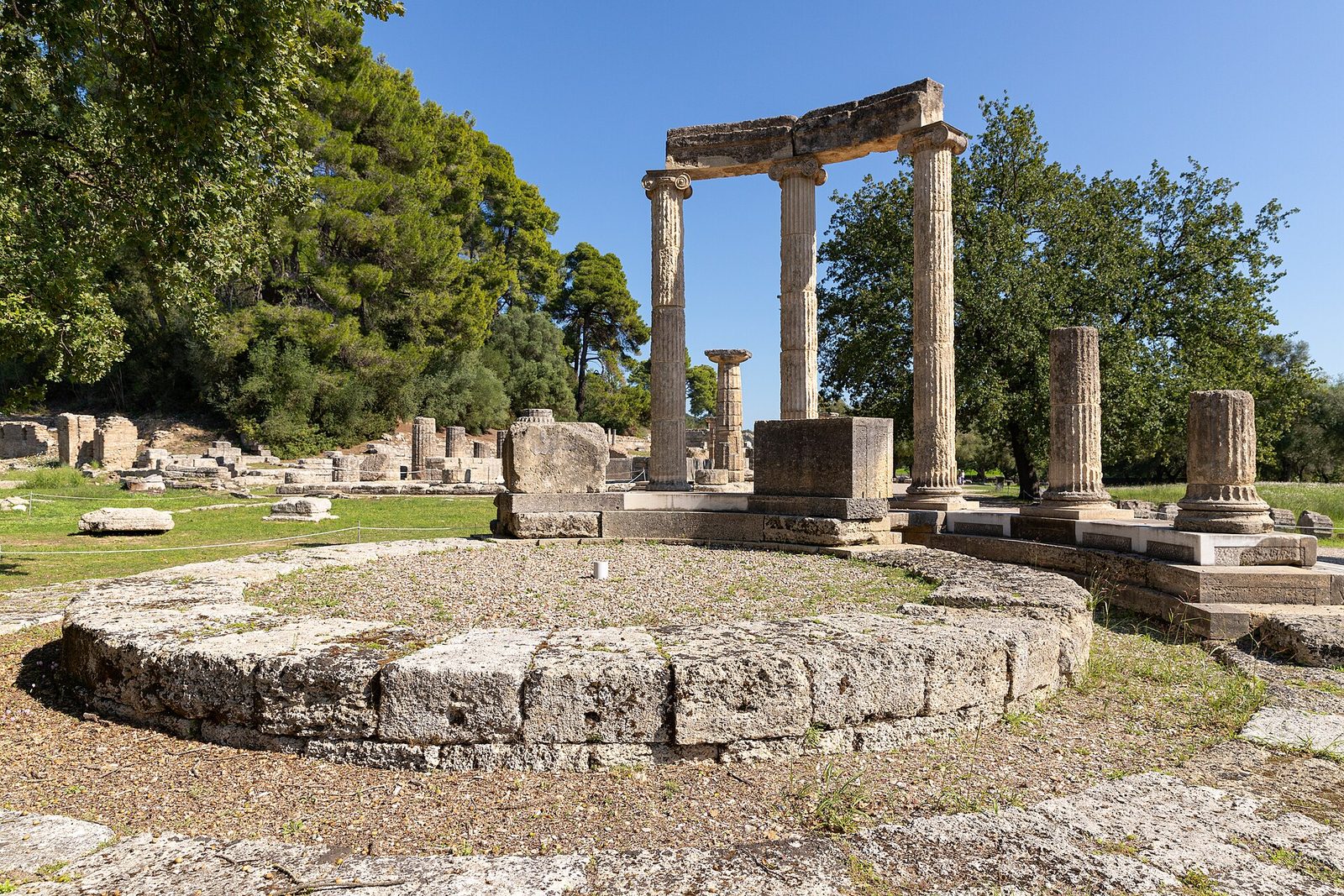
Archaia Olympia, a small town nestled in the Elis region of the Peloponnese peninsula, stands today as the physical guardian of a global cultural touchstone.
While modern visitors know the site as a quiet destination in Greece, it remains the definitive archaeological anchor for the ancient Olympic Games.
The site’s historical significance is tied directly to the sacred precinct known as the Altis. According to historical records, this sanctuary was primarily dedicated to Zeus, serving as the epicenter for Panhellenic religious life. From the 8th century BC through the 4th century AD, the region hosted the games every four years, an event that transcended local boundaries to help forge a collective Greek identity.
The Games were not merely athletic contests but a mechanism for peaceful international contention. This ideal of excellence was eventually revived on a global scale in 1894, permanently linking the modern movement to the ruins in Elis. Ancient Origins notes that the site functioned as one of several major Panhellenic centers, drawing travelers and pilgrims from across the ancient world.

The transition from a regional religious site to a modern symbol of international cooperation highlights the enduring utility of the location. While the sanctuary was dedicated to the king of the Olympian gods, its function as a neutral ground for competition provided a structure for diplomatic and social cohesion that persisted for over a millennium.
Today, the town of Archaia Olympia serves as the primary gateway for those visiting the archaeological site. The distinction between the ancient sanctuary and the modern municipality is essential for travelers, as the town provides the infrastructure that supports the ongoing study and preservation of the ruins.
The games conducted in his name drew visitors from all over the Greek world as one of a group of such “Panhellenic” centers, which helped to build the identity of the ancient Greeks as a nation.
The preservation of the Altis remains a point of focus for international heritage organizations. As an archaeological site, its management balances the demands of tourism with the rigorous requirements of historical conservation. This balance ensures that the physical remnants of the 8th-century BC sanctuary remain accessible for academic research and public education.
The site demonstrates the longevity of the Hellenic tradition. Future preservation efforts will continue to rely on the classification of the region as a protected cultural zone under Greek law. The gates of the sanctuary remain open, linking the modern era to the foundational practices of classical antiquity.

SEC Football Power Rankings Week 11: Georgia Remains No. 1 After Dominating Ole Miss
The Georgia Bulldogs remain the undisputed team to beat in the SEC following a dominant 42-7 road victory...
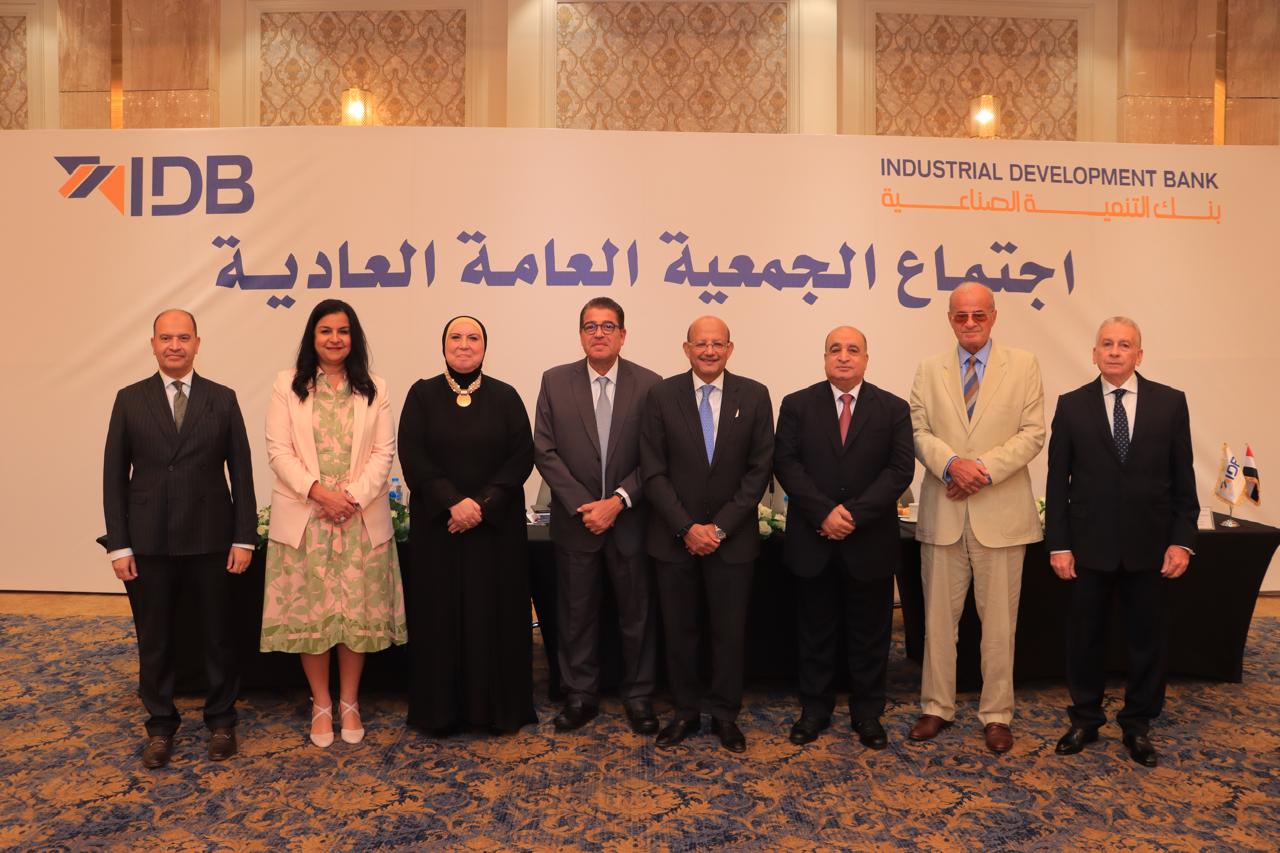
Egypt’s Industrial Development Bank Hits EGP 1bn Net Profit in 2025
Egypt’s Industrial Development Bank (IDB) has reached a historic financial threshold, reporting a net profit of EGP 1...

Wyoming LIEAP Manager Says Heating Costs Are Rising for Families
Heating Bills Surge as Wyoming Families Face Cold Weather Costs As winter temperatures settle across the state, many...

Madison Common Council to Meet on 2027 City Budget on Nov 10
As the city prepares to finalize its financial roadmap for the coming year, Madison residents are looking toward...