
LACMA’s 15th Art + Film Gala Marks a Seasonal Shift in Los Angeles Culture
The Los Angeles County Museum of Art transformed its campus into the epicenter of the cultural calendar on Saturday, Nov. 7, hosting its 15th annual Art + Film Gala.
Under a sprawling tent positioned amidst the museum’s evolving architectural footprint, over 600 guests gathered to celebrate the intersection of visual art and cinema. As reported by LAmag, the evening honored artist Vija Celmins and filmmaker Denis Villeneuve, drawing a high-profile crowd that spanned the worlds of high fashion, Hollywood, and the international art scene.
The event, presented by Gucci, is the museum’s largest fundraiser.
According to museum leadership, this year’s iteration raised nearly $7 million, a record sum that will fund film initiatives, new acquisitions, and educational programming. For many attendees, the gala represents more than a financial milestone; it serves as a critical “friend-raiser” that cements the museum’s role as a bridge between the creative industries of Southern California and the global art market.
Honoring Visionaries of Space and Narrative
Michael Govan, CEO and Wallis Annenberg director of LACMA, framed the night as a celebration of artists capable of altering human perception. Vija Celmins, the Latvian-born artist known for her meticulous renderings of desert floors and night skies, was lauded for her ability to create infinite space on a small surface.
Rachel Kushner, who paid tribute to Celmins, noted the artist’s unique path from an immigrant experience in Indiana to the profound influence of the California landscape.
In his acceptance, Villeneuve echoed the sentiment that museums provide essential fuel for the creative process.
The director, whose upcoming film Dune: Part Three is slated for release on Dec. 18, described his experience walking through the museum’s James Turrell light installations while preparing for his film Arrival.
“Museums have always been a superfood for me,” Villeneuve said. “Every time I walk into one, I feel like a vampire. I suck in the energy from the walls, and one way or another, it ends up in one of my films.”
A Transition in Leadership
The gala also marked a significant turning point for the museum’s long-term strategy. Eva Chow, who has co-chaired the event for 15 years alongside Leonardo DiCaprio, announced that this would be her final year in the role. Since the inaugural gala in 2011—which featured Clint Eastwood and John Baldessari—Chow has been instrumental in securing the museum’s high-profile partnerships, including its foundational relationship with Gucci.
The atmosphere at the 2026 event reflected the physical changes currently underway at the museum. Govan pointed to the completion of the David Geffen Galleries, a project two decades in the making, as evidence of a new beginning for the institution. The museum’s recent public art acquisitions, including Shio Kusaka’s Beam, suggest a shift toward more immersive, exterior-facing installations intended to engage the Wilshire Boulevard corridor.
The Stakes of Cultural Patronage
While the star-studded guest list—featuring figures ranging from Kim Kardashian and Timothée Chalamet to industry veterans like Al Pacino—often dominates headlines, the underlying economic reality is one of institutional growth. The funds raised are earmarked for the museum’s efforts to integrate film into the canon of fine art.
Critics of such gala culture occasionally argue that these events prioritize celebrity visibility over substantive community engagement.
However, the museum’s pivot toward expanding its public-facing installations and the upcoming debut of the Steve Tisch theater suggest an institutional focus on long-term accessibility. By blending the high-glamour aesthetic of the film industry with the rigorous intellectual pursuit of the art world, the museum is betting that this hybrid model will remain the primary engine for its future expansion.
As the lights dim on the 15th anniversary gala, observers are watching whether these ambitious building projects and programming changes will permanently alter the city’s culture.
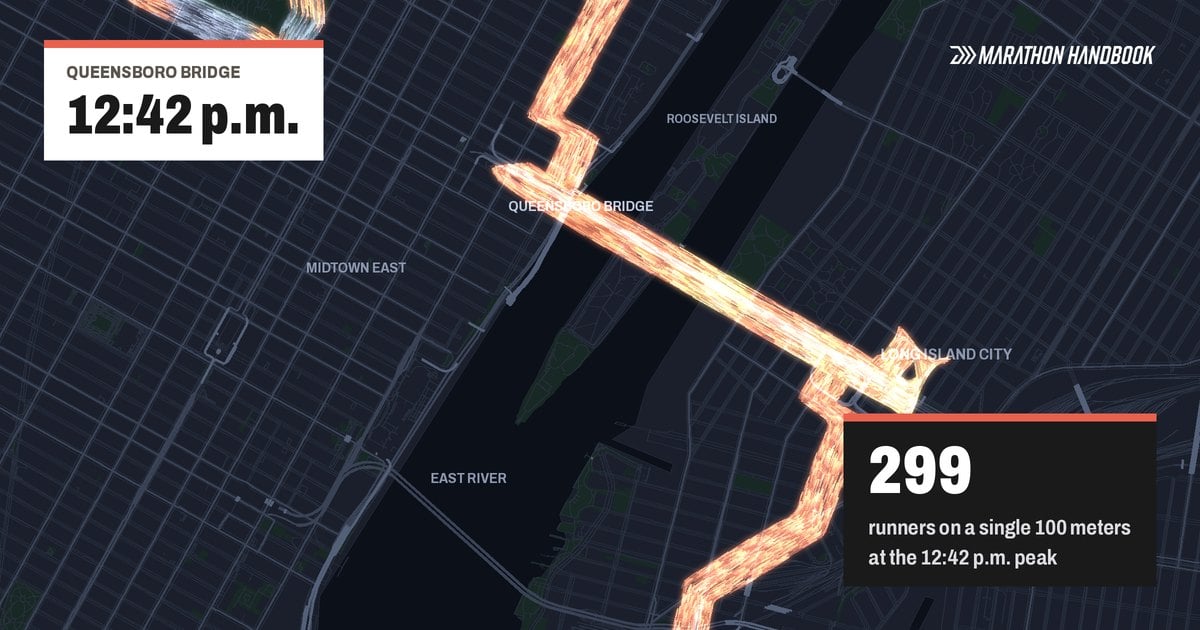
Marathon Handbook: Crowding and Fifth Avenue Incline Affect NYC Marathon
61,018 official finishers ran the 2026 New York City Marathon, facing crowding at specific bottlenecks including the Verrazzano-Narrows...

Abdul El-Sayed: Oxford Scholar and First Muslim US Senator-elect
From Oxford Lacrosse to the US Senate Abdul El-Sayed’s journey to the United States Senate began far from...
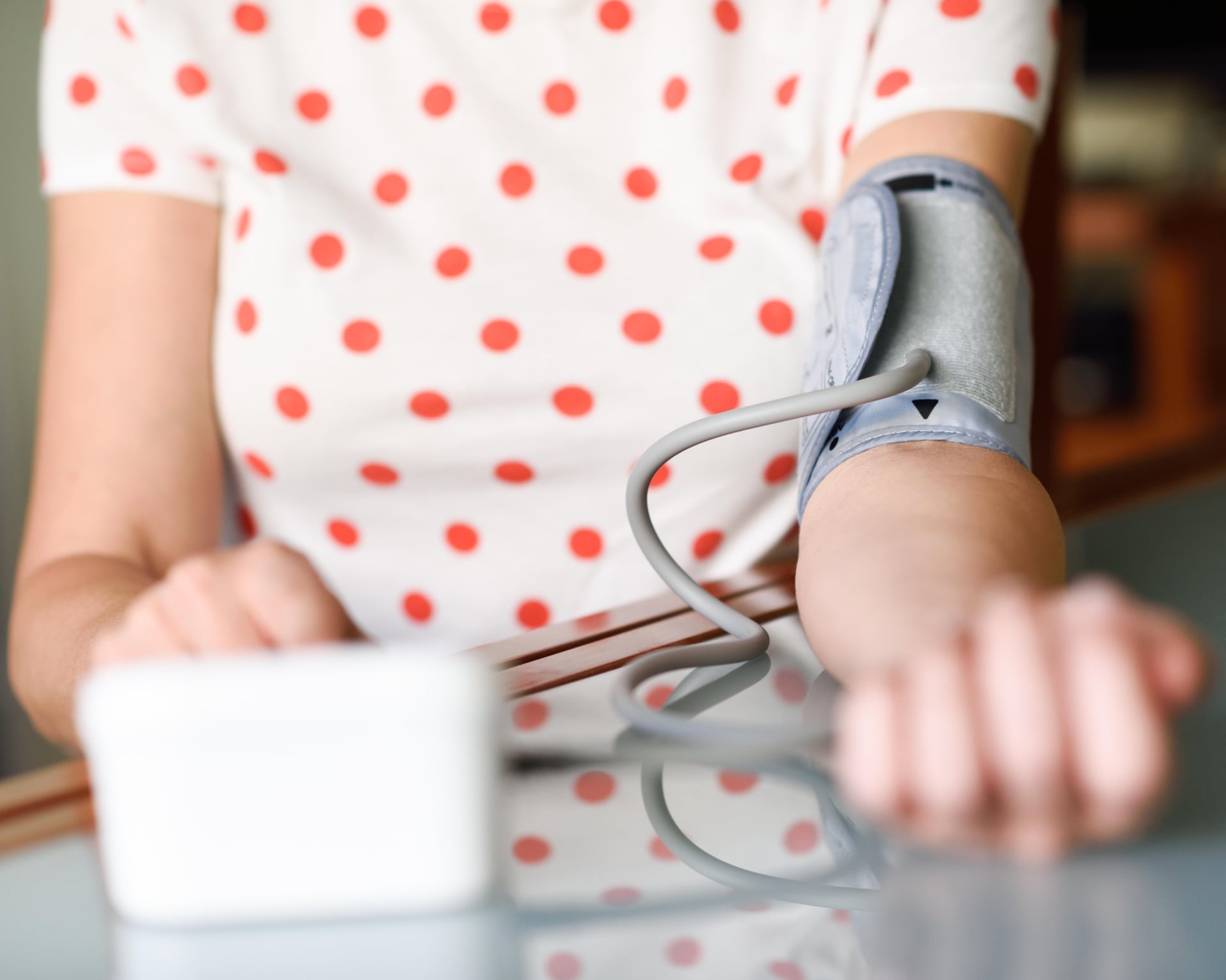
Baxdrostat May Reverse Hypertension in Patients With Adrenal Issues
A new medication called baxdrostat has shown the potential to reverse a common cause of high blood pressure,...

South Africa’s ANC Secures 31 Percent of the Vote in Local Elections
The ANC’s Electoral Setback Cyril Ramaphosa’s African National Congress (ANC) has faced a significant electoral defeat in local...