
Heating Bills Surge as Wyoming Families Face Cold Weather Costs
As winter temperatures settle across the state, many Wyoming households are confronting a stark financial reality: keeping the heat on is getting significantly more expensive.
According to data provided by KiowaCountyPress.net, Americans are currently projected to pay an average of $82 more to heat their homes this winter compared to last year. This jump in costs represents an increase more than double the national rate of inflation, straining families on tight budgets.
The financial strain is hitting at a time when fixed incomes are failing to keep pace with rising utility rates. Kristina Packard, manager of the Wyoming Low Income Energy Assistance Program (LIEAP), noted the disconnect between household earnings and the reality of mounting energy costs.
“We know that the bills are higher, and maybe your income is not higher,” Packard observed. “It is designed to help out during those colder winter months. Everybody needs a little help sometimes.”
While the federal government provides funding for energy assistance, officials emphasize that this support is intended to act as a vital safety net during the most dangerous cold snaps rather than a year-round utility subsidy. The program is available to a wide range of residents, including homeowners, renters, and those living in permanently parked trailers or RVs.
Who Qualifies for Assistance
Eligibility for the program is based on household income thresholds. A family of four earning up to just over $5,700 a month qualifies for support, while individuals earning just under $3,000 a month are also eligible. Despite these clear parameters, data from the previous winter indicates that only 16% of eligible households actually applied for the available aid.
“There are many households that could be eligible as far as their income is concerned that either don’t know about the program or not apply for the program,” Packard said. “So we just are really trying to get the word out there and say, ‘Hey, you know, apply.’ It’s a great program.”
For many seniors, the program represents the difference between a safe living environment and a dangerous one. Packard pointed out that residents accustomed to $50 monthly heating bills can easily see those costs rise to $75 or $80 during the peak of winter.
For those living on fixed incomes, that $30 difference often exceeds the “extra” room in their monthly budget. “We have many seniors who have said, ‘I’m able to keep my home at a comfortable temperature because I don’t have to worry about the extra,'” she added.
The $11 Million Safety Net
Wyoming currently has approximately $11 million in funds to distribute to qualifying households. These federal tax dollars, which are specifically earmarked for heating-related expenses, can be applied to electricity, natural gas, propane, and other heating sources. State officials are pushing to ensure these funds do not go unused, urging residents to apply through the official Low Income Energy Assistance Program portal.
The economic pressure on households is often viewed through the lens of individual responsibility, yet the scale of this year’s price hikes suggests a broader market issue.
While some argue that energy efficiency improvements are the long-term solution to rising costs, the immediate need for heating assistance remains a critical priority for state agencies. The question remains whether the current outreach efforts will successfully reach the 84% of eligible households that did not utilize the program last year.
For those looking to secure assistance, applications are available online at MyLieapWyo.org or by calling 800-246-4221. As the temperature drops, the gap between available resources and the families who need them remains the primary challenge for the state’s energy assistance efforts.
Worth a look

SEC Football Power Rankings Week 11: Georgia Remains No. 1 After Dominating Ole Miss
The Georgia Bulldogs remain the undisputed team to beat in the SEC following a dominant 42-7 road victory...
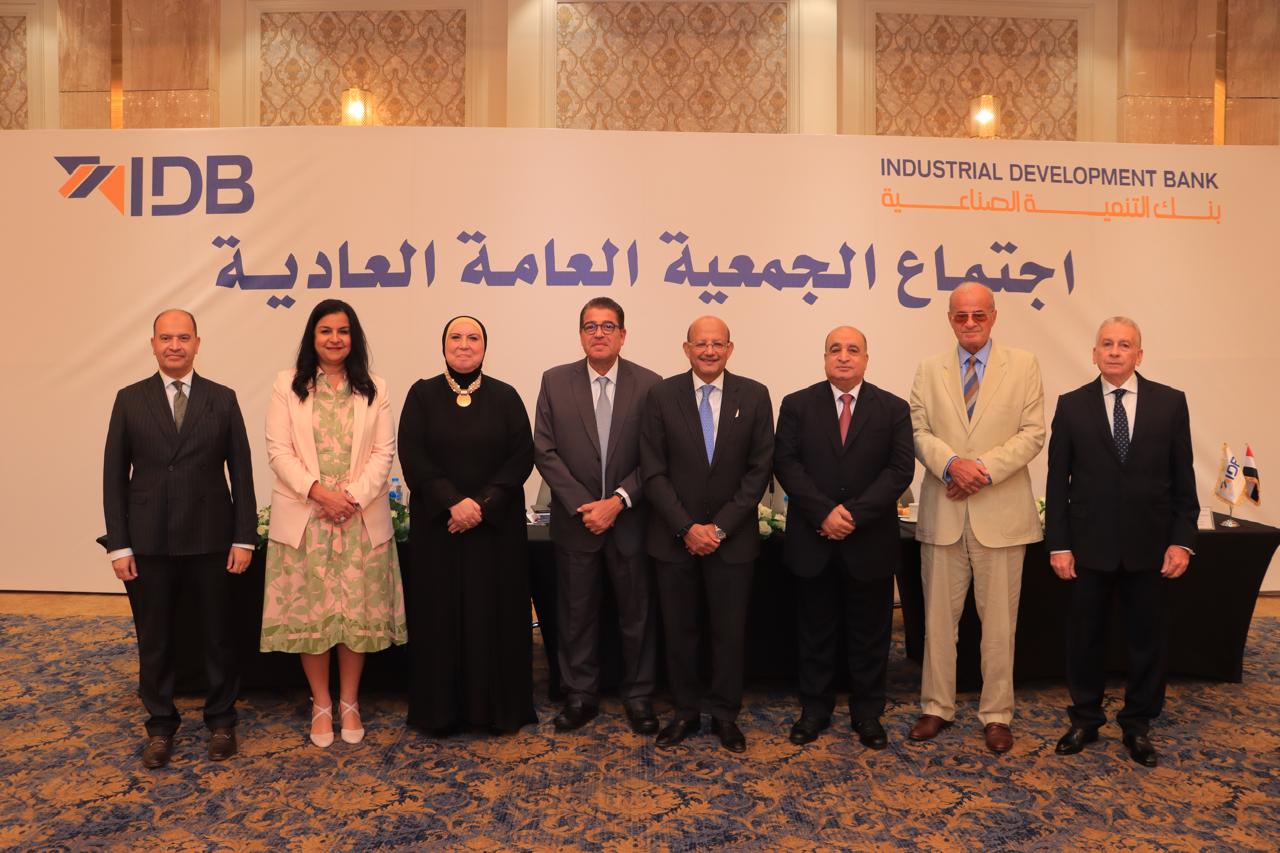
Egypt’s Industrial Development Bank Hits EGP 1bn Net Profit in 2025
Egypt’s Industrial Development Bank (IDB) has reached a historic financial threshold, reporting a net profit of EGP 1...

Madison Common Council to Meet on 2027 City Budget on Nov 10
As the city prepares to finalize its financial roadmap for the coming year, Madison residents are looking toward...
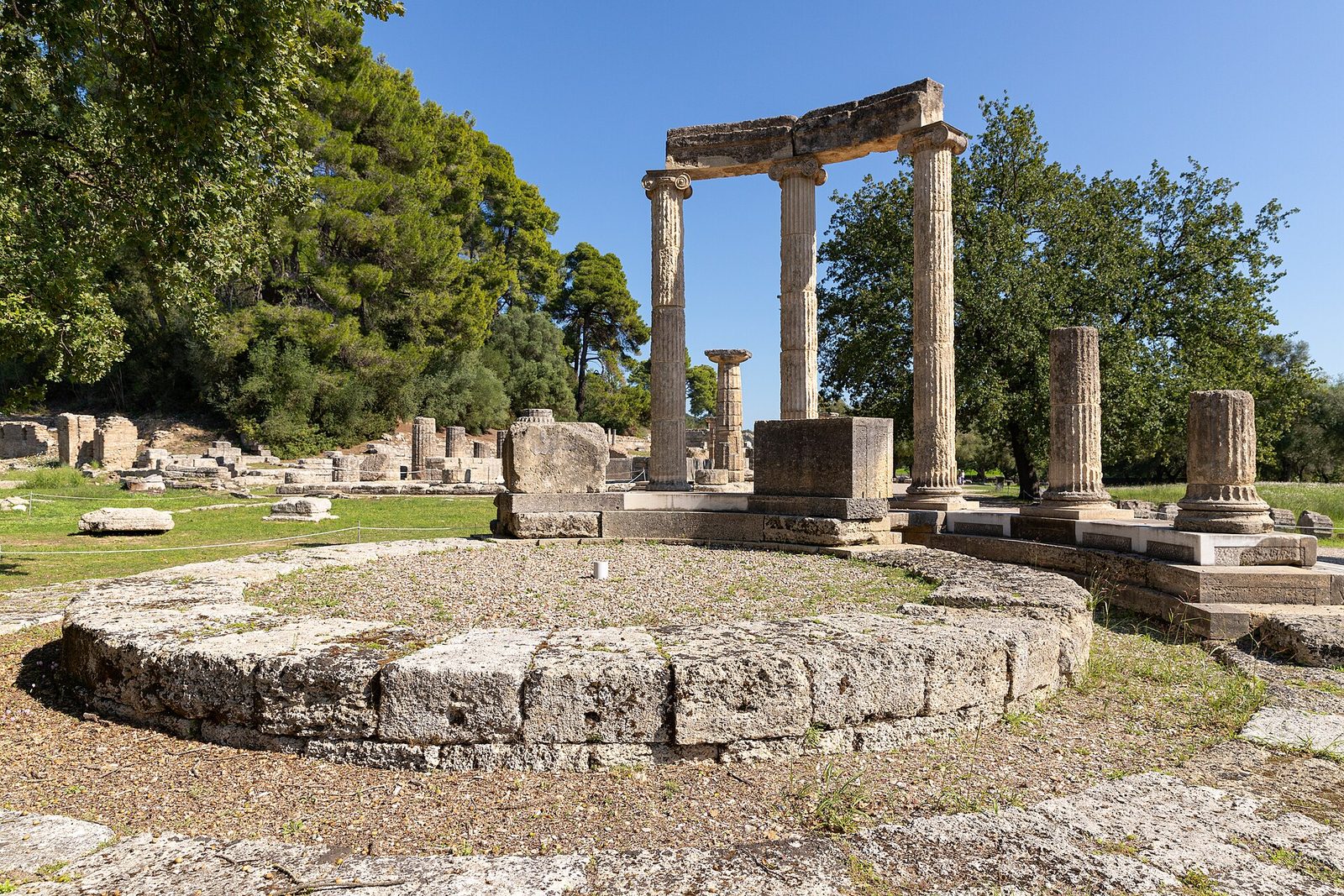
Ancient Olympia Hosted the Panhellenic Olympic Games
Archaia Olympia, a small town nestled in the Elis region of the Peloponnese peninsula, stands today as the...