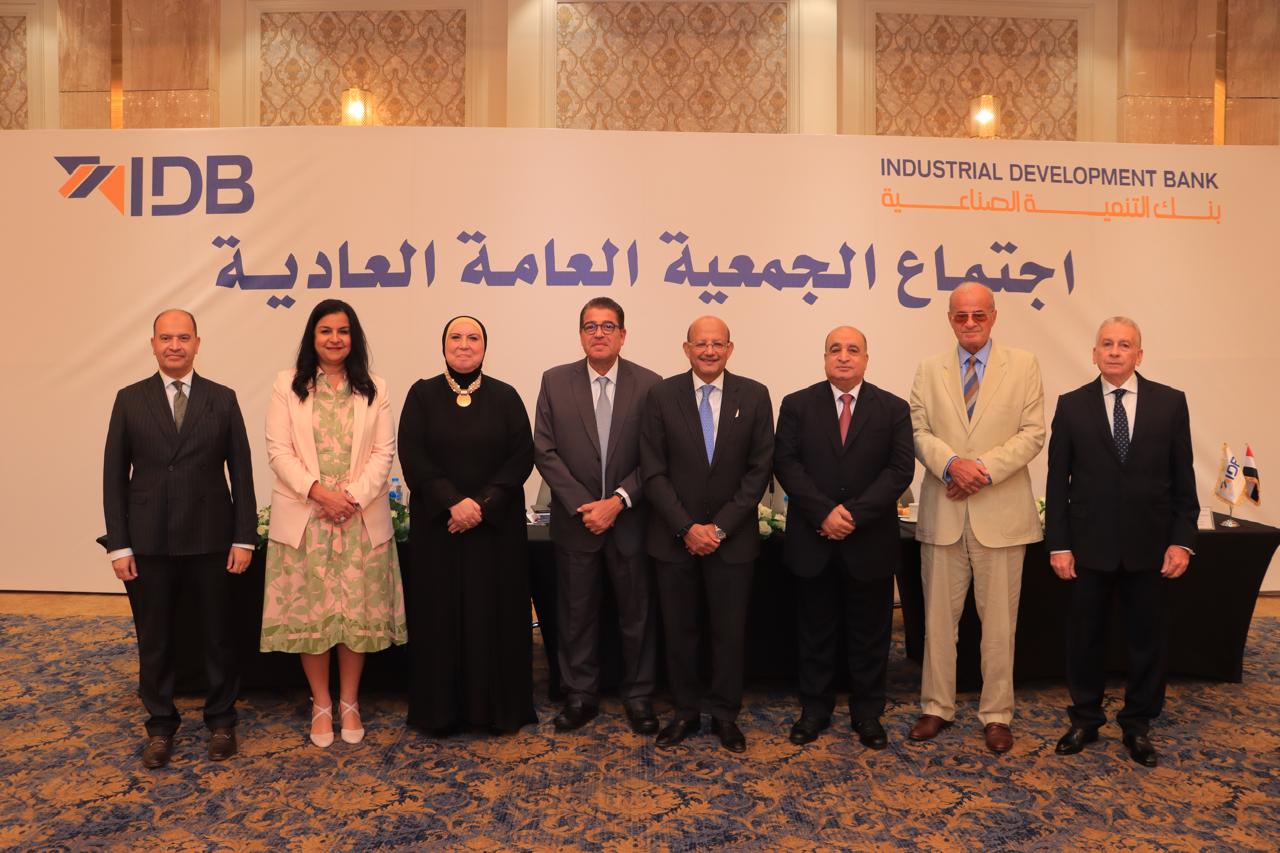
Egypt’s Industrial Development Bank (IDB) has reached a historic financial threshold, reporting a net profit of EGP 1 billion for the 2025 fiscal year.
This performance marks the first time the lender has achieved such a result, signaling the success of a strategic restructuring program initiated in mid-2024. Following the approval of these accounts by the ordinary general assembly, the bank confirmed it will issue bonus shares to shareholders, a move occurring for the first time in two decades.
The Bottom Line:
- Profit Surge: The bank reached the EGP 1 billion net profit milestone, driven by a 47% increase in pre-tax and provision profit to EGP 2.5 billion.
- Asset Quality Shift: Non-performing loans (NPLs) dropped sharply to 8.1% of total lending, down from 13.9% the previous year, while provision coverage rose to 126%.
- Aggressive Expansion: Total assets grew by 31% to EGP 64.9 billion, supported by a 44% spike in customer deposits and a 34% increase in the loan book.
Refining the Loan Book and Asset Quality
The core of this turnaround lies in the bank’s improved management of credit risk. By reducing the NPL ratio to 8.1%, the institution has lowered the drag on its balance sheet that previously hampered profitability.
The jump in provision coverage to 126% serves as the most critical indicator of the bank’s current health; by holding reserves that exceed the value of its classified bad loans, the IDB has effectively buffered itself against potential credit volatility.
According to the bank’s latest reported accounts, this shift in asset quality coincides with a broader diversification strategy. Hussein Refaie, chief executive and managing director, stated that the institution has successfully moved from confronting structural problems to delivering strong, sustainable growth.
The bank’s ability to grow income at a rate of 33%—outpacing the growth of its cost base—suggests that the restructuring plan is delivering tangible operational efficiency.
Investing EGP 3 Billion in Technology and Digital Channels
The bank is currently in the first year of a five-year, EGP 3 billion technology investment cycle. In 2025 alone, the institution deployed EGP 500 million toward core banking systems, cybersecurity, and mobile digital channels. This push for digital transformation is intended to expand the customer base and modernize product offerings, moving the IDB toward an integrated commercial banking model.
Akram Tinawi, the non-executive chairman, noted that the bank remains focused on financing strategic sectors, including energy, urban development, and clean power. This sector-specific lending strategy is designed to balance the bank’s mandate of supporting industrial growth with the need for diversified, sustainable revenue streams.
For the broader market, this level of investment indicates a shift toward competitive commercial banking, likely pressuring smaller, less capitalized regional lenders to accelerate their own digital infrastructure spending.
Improving Stability for Borrowers and Institutional Investors
For the average borrower and depositor, this restructuring translates to a more stable credit partner capable of handling larger-scale industrial financing. While the IDB focuses on corporate and industrial clients, the expansion of its retail and digital channels suggests a more aggressive entry into the broader commercial market.
Institutional investors often view such sharp drops in NPL ratios as a sign of improved underwriting standards, which can lower the cost of capital for the bank over the long term.
The primary metric for any turnaround story in the banking sector is the velocity at which provisions cover legacy bad debt. When a lender moves from under-provisioning to holding a surplus in reserves, it creates the institutional confidence necessary to expand the loan book without taking on excessive risk,
noted an analyst tracking regional emerging market lenders.
The bank’s ability to sustain this momentum depends on its capacity to manage the ongoing EGP 3 billion technology rollout while maintaining the current trajectory of its loan book expansion.
With the return of bonus shares, the IDB is signaling to the market that it has entered a new phase of capital distribution. The institution’s future performance will likely be measured by its ability to maintain these margins as it integrates new digital products into a competitive and increasingly regulated financial sector.
Disclaimer: The information provided in this article is for educational and market analysis purposes only and does not constitute financial, investment, or legal advice. Always consult with a certified financial professional before making investment decisions.
Related reading

How to Register for the New Privia Health Patient Portal
Patients currently using the Florida-based medical network must register for the new myPrivia patient portal to maintain digital...

Connecticut Republicans Lose Seats as Democratic Majorities Expand
The Shrinking GOP Map in Connecticut For veteran Republican lawmakers in Connecticut, the warning signs were not hidden...

Colorado’s Bowl Game Hopes Faded Saturday Night After a 20-10 Loss to Arizona State
Colorado Football Falls to 3-6 After Loss at Arizona State Colorado’s bowl game hopes faded Saturday night after...

Byrum Brown Leads Auburn Comeback to Defeat Arkansas 26-23
The Second Half Shift at Jordan-Hare The Arkansas Razorbacks held a 10-3 lead and seemed to have a...