
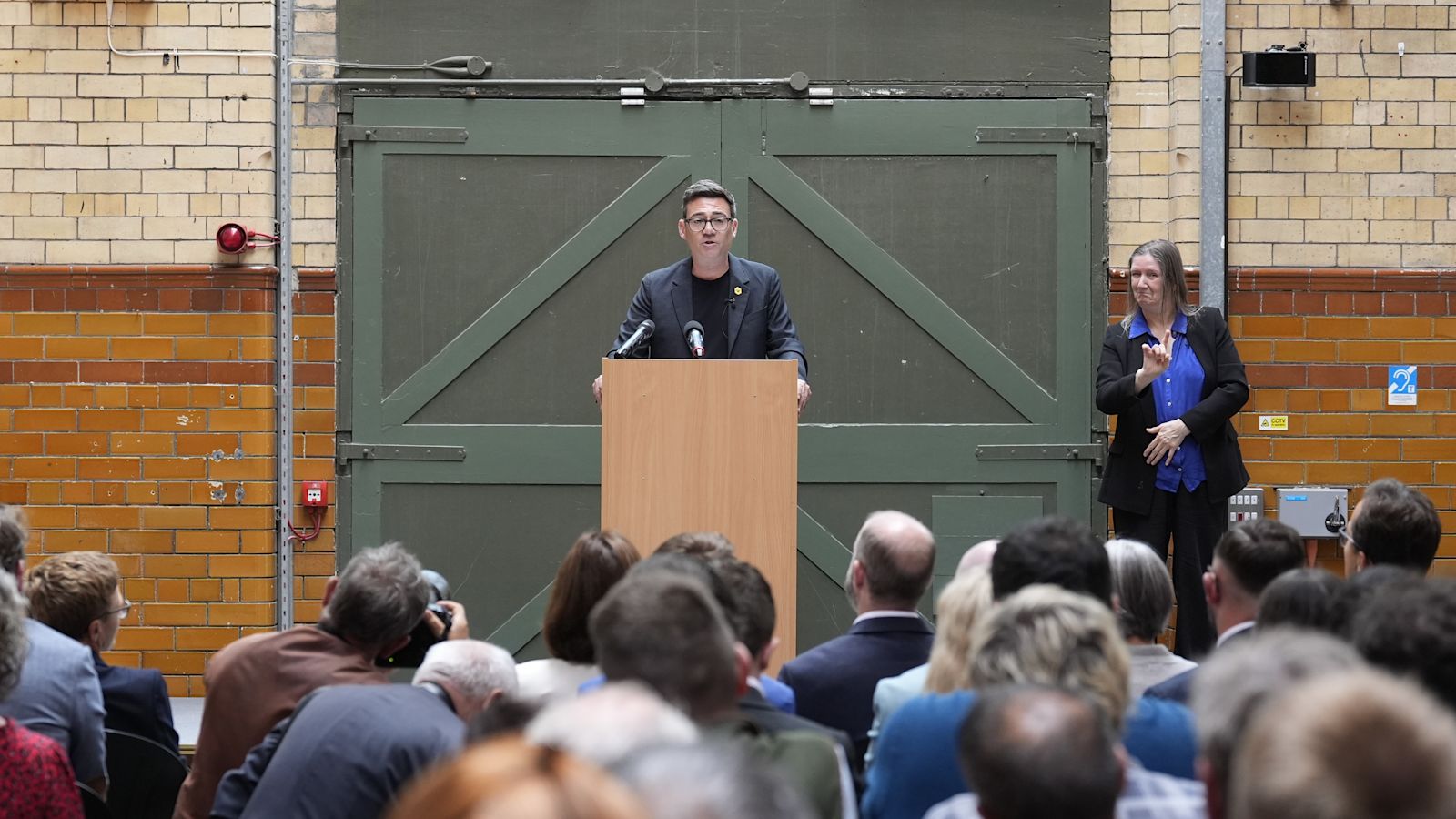
As political maneuvering begins following the resignation of Prime Minister Sir Keir Starmer, frontrunner Andy Burnham has signaled that housing will be the central pillar of his potential administration. Burnham has pledged to oversee the largest council house building program in the United Kingdom since the post-war era, positioning the construction of affordable rental homes as a primary solution to the nation’s systemic economic and social challenges.
The Case for a Council Housing Revival
Burnham’s focus on council housing marks a sharp departure from the prevailing political consensus of the last 45 years. Between 1945 and 1979, successive governments viewed the state as a central provider of affordable rental housing. However, policies introduced in 1979, including the “Right to Buy” scheme and the deregulation of the private rental market, led to a significant decline in council-owned stock. By 2026, only approximately 6% of the population resides in council housing, while 20% live in private rental accommodation. Burnham argues that this shift has left the market unable to meet the needs of citizens, contributing to a record number of homeless children in temporary accommodation and a waiting list of 1.3 million households for social housing. Beyond the immediate need for shelter, Burnham links the housing crisis to broader societal issues, including the state of the NHS, children’s educational prospects, and economic growth. Reports have previously indicated that poor housing conditions cost the NHS £1.4 billion annually. Furthermore, the government currently spends £38 billion annually on housing benefits—a sum exceeding half of the UK’s defence budget—much of which is paid to private landlords.

Funding the Expansion
To finance this ambitious construction program, Burnham has proposed a redirection of existing government resources. He suggests diverting the entire £39 billion, 10-year investment package currently earmarked for the affordable housing programme toward the construction of homes for social rent. This would prioritize council and housing association construction over subsidizing homes for private purchase. This strategy reflects a broader philosophy termed “Manchesterism,” which emphasizes public control of essential services. Burnham intends to move away from the “build, baby, build” slogan used by the current administration, favoring a more collaborative approach with housebuilders to accelerate delivery.
Barriers to Delivery
While the proposed expansion aims to address the shortage of social housing, the construction sector faces significant headwinds. Analysts note that private housing delivery is currently constrained by: * Affordability: The average house price in England reached an estimated £300,000 in 2025, approximately eight times the average annual earnings of a full-time employee. * Economic Factors: High mortgage interest rates, elevated construction material costs, and a shortage of skilled labor—exacerbated by Brexit and the pandemic—have hindered project completion. * Regulatory Hurdles: Some stakeholders argue that existing government safety and environmental regulations act as barriers to construction, though upcoming planning reforms regarding green belt development are expected to facilitate more building in the long term.
Distinguishing Council vs. Social Housing
Burnham’s emphasis on “council housing” rather than general “social housing” may represent a significant policy shift. While the terms are often used interchangeably, the landscape of social housing has changed dramatically since 1979. Historically, council housing dominated the sector. Today, housing associations—which have evolved into large, corporate entities—own 61% of social housing, while councils own a smaller share. By focusing on council-led construction, a Burnham government would seek to restore the direct role of local authorities in providing housing, moving away from the reliance on large-scale housing associations that has characterized government policy since the 1980s. As Burnham prepares for a potential transition to Downing Street, his commitment to housing remains his most prominent policy stance, viewed by his team as the foundational step required to improve the lives of working people and drive economic stability.

Find more reporting in our Business section.
Related reading
- CNBC Daily Open: Tech investors buy the dip – but debt remains a concern
- U.S. Treasury yields fall as investors seek safe haven amid AI stock turbulence
- Andy Burnham maintains high popularity three months into premiership (archyde.com)
- Europe in turmoil: Rising living costs, housing crisis fuel unrest across five nations (newsarchyuk.com)

CNBC Daily Open: Tech investors buy the dip – but debt remains a concern
Following a bruising weekly rout, the tech-heavy Nasdaq Composite rose 1.11% on Monday as investors returned to artificial...


Banque du Caire to Raise Up to $454 Million in Egyptian IPO
Banque du Caire is preparing to raise up to 24.25 billion Egyptian pounds, equivalent to $454 million, through...

Tanzania’s finance minister thanked the World Bank on October 12, 2026, for supporting 33 strategic
Tanzania’s finance minister thanked the World Bank on October 12, 2026, for supporting 33 strategic projects valued at...