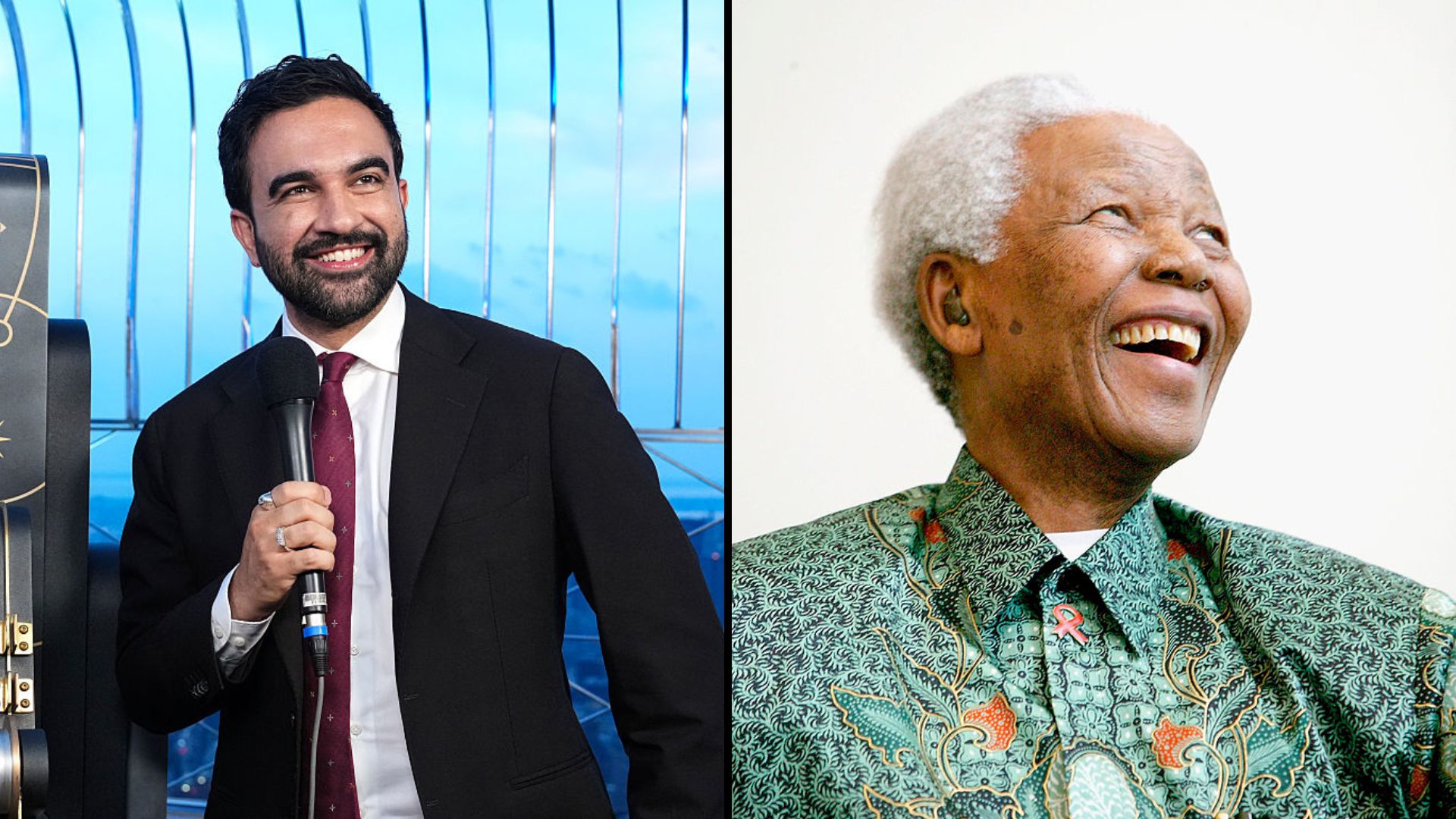
New York City Mayor Zohran Kwame Mamdani delivered the keynote address at the inaugural Nelson Mandela Global Leadership Forum on July 15, 2026. Speaking at The Town Hall in New York City, Mamdani urged leaders to view Nelson Mandela’s legacy as a call to action rather than a symbolic relic.
Mamdani’s Reflections on the Mandela Legacy
Mayor Zohran Kwame Mamdani utilized the platform at the Nelson Mandela Global Leadership Forum to challenge the contemporary tendency to mythologize South Africa’s first democratically elected president. Addressing a packed auditorium, Mamdani emphasized that viewing Mandela as a messiah
—a term he noted is currently used by the Nobel Peace Center—risks obscuring the human reality of his political struggle.
Mamdani, who was born in Kampala, Uganda, and lived in Cape Town from 1996 to 1998, shared a personal connection to the late leader. He recalled his childhood in South Africa, where he saw Mandela’s face on banners and even kept a magnet of the leader in a Bafana Bafana kit on his family’s refrigerator. The lesson I remember most is that justice must be more than an ideal, it must be material,
Mamdani told the audience.
Defining Solidarity in an Era of Upheaval
The speech focused heavily on the necessity of active solidarity when facing global challenges such as democratic backsliding, corruption, and inequality.
“We are together, all of us, searching for answers, seeking to make sense of these fractures, straining to lead amidst upheaval. Often, on occasions like these–people ask, ‘If Madiba were here today, what would he have said and done? Why not ask ourselves instead, ‘when he was here, what did he say, and what did we say in return’?”
Zohran Kwame Mamdani, Mayor of New York City
Moving Beyond the “Saint” Narrative
A central theme of the address was the rejection of Mandela as a static icon. Mamdani pointedly reminded the audience of Mandela’s own words: I am not a saint unless you think of a saint as a sinner who keeps on trying.
By framing Mandela as a man prone to self-doubt and part of a movement often defined by internal friction, Mamdani sought to make the pursuit of justice feel more accessible to the next generation of leaders.
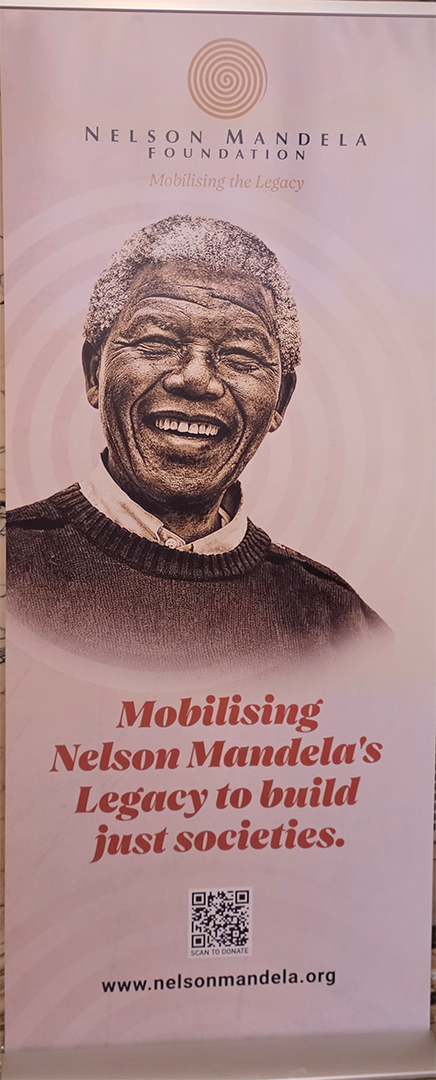
The event, which served as a lead-up to International Nelson Mandela Day on July 18, was organized by the Nelson Mandela Foundation. Goodnewsplanet reported that the forum was intended to launch a new global platform for democratic engagement and dialogue, building on the foundation’s 27-year history of keeping the anti-apartheid leader’s work active in contemporary social movements.
The Materiality of Justice
Mamdani concluded his remarks by defining where he believes Mandela’s spirit persists today. He explicitly linked the legacy of the leader to those performing the daily, often thankless work of activism. As reported by the <a href="https://www.channelafrica.co.

- In every protest for justice and call for democracy.
- In every march that makes a righteous demand.
- In townships and slums where individuals work to provide food and medicine for the vulnerable.
By shifting the focus from the historical figure to the modern individual who refuses to accept misery as inevitable, Mamdani positioned the forum not as a historical retrospective, but as a tactical space for future political action. The inaugural forum at The Town Hall concluded with a call for attendees to continue the struggle for dignity
that defined Mandela’s life.
The legacy of Nelson Mandela's spirit persists today in the daily, often thankless work of activists around the world who continue to fight for justice, equality, and human rights.
Related reading
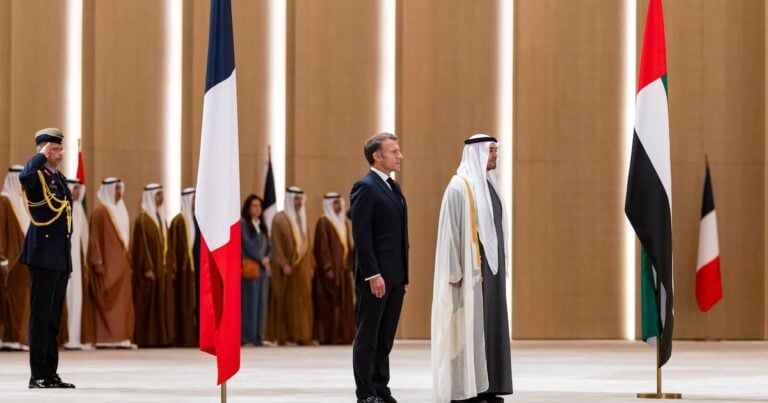
Macron Seeks Oil Supplies from UAE
French President Emmanuel Macron began a four-nation Gulf tour in Kuwait and Abu Dhabi on Monday, October 19,...
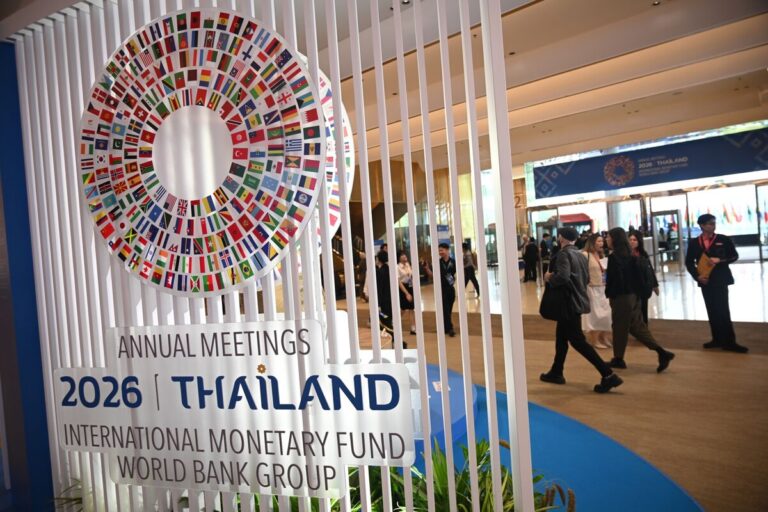
IMF World Bank Meetings Warn of Global Stability Threats
Global finance leaders wrapping up the annual IMF and World Bank meetings in Bangkok on October 18, 2026,...
Israel Flight Diverted to Bulgaria After Bomb Threat
An Austrian Airlines flight carrying 57 people from Tel Aviv to Vienna diverted to Sofia, Bulgaria, on October...
Pakistan to Head International Monetary Fund and World Bank
Pakistan has been selected to chair the Boards of Governors of the International Monetary Fund and the World...