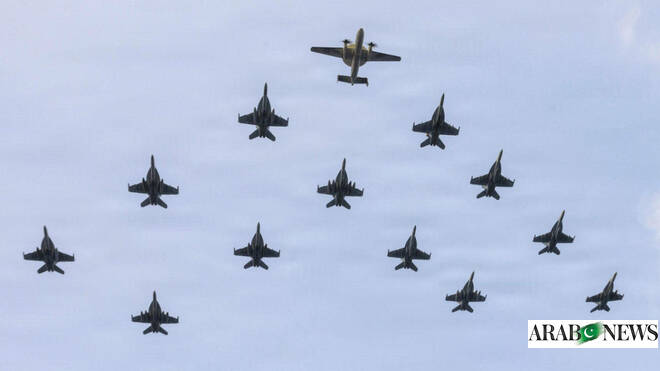
The United States military concluded its sixth consecutive night of airstrikes against Iran early Friday, intensifying a campaign that now increasingly targets bridges and critical infrastructure. The strikes, which follow the collapse of an interim ceasefire agreed to last month, are part of a broader effort by the U.S. to break Iran’s control over the Strait of Hormuz.
According to U.S. Central Command, the latest operations targeted coastal surveillance and air defense sites, maritime capabilities, and military logistics infrastructure. As the conflict over the strategic waterway escalates, Iranian state media reported that the strikes have caused significant casualties, with officials stating that more than 35 people have been killed and over 300 wounded since the start of the current hostilities.
Conflict Over the Strait of Hormuz
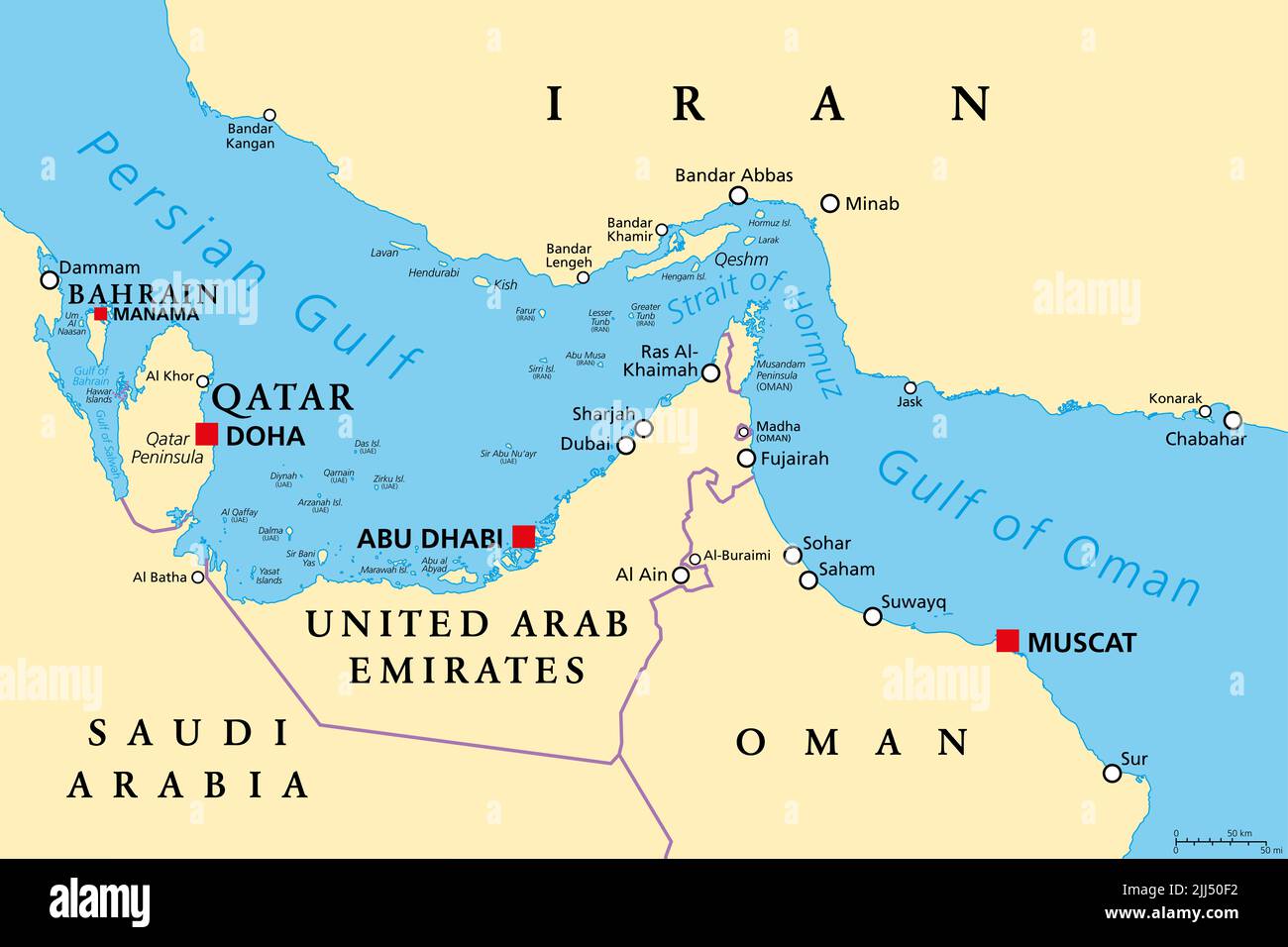
The military confrontation, which began on Feb. 28, centers on the Strait of Hormuz, a critical maritime passage through which roughly one-fifth of the world’s oil and natural gas once flowed in peacetime. Upon the commencement of the war, Iran effectively closed the strait to shipping, leveraging the resulting surge in global oil prices to gain an advantage in negotiations.
The impact on global logistics has been severe. Maritime data firm Lloyd’s List Intelligence reported that weekly cargo shipments through the strait dropped by nearly 25% at the beginning of the month, even before the most recent surge in tit-for-tat attacks. In response to the risks, some oil shippers have turned off location tracking devices, while others have halted transit entirely. The U.S. has also reimposed a naval blockade on Iranian ports, with Central Command reporting it has redirected three commercial vessels, boarded one, and disabled another for failing to comply with the blockade.
Widening Scope of Airstrikes
The U.S. campaign has expanded geographically, reaching areas previously untouched in this round of violence. Thursday’s strikes hit targets around Tehran and Semnan province—the latter being the hub of Iran’s space program and ballistic missile production. Attacks were also recorded in the provinces of Hamedan, Hormozgan, Khuzestan, Lorestan, Markazi, and Sistan and Baluchestan, as well as on Qeshm Island.
In southern Hormozgan province, the destruction of bridges has become a focal point of the American strategy. Iranian state media reported that strikes near the port city of Bandar Abbas hit a railway junction and the Allah-Akbar Hill residential neighborhood, causing multiple casualties. West of the city, bridge strikes resulted in at least three deaths and nine injuries. Additionally, a strike on a barracks belonging to Iran’s 388th Mechanized Infantry Brigade in Sistan and Baluchestan reportedly killed seven soldiers.

Regional Retaliation and Escalation
Iran has responded by launching missile and drone attacks against U.S.-allied nations hosting American forces. On Friday, authorities in Bahrain, Kuwait, and Qatar reported incoming fire. In Qatar, residents were warned to take shelter as air defenses engaged a barrage of missiles. Earlier, Iranian fire was directed at Bahrain and Kuwait in direct retaliation for the U.S. strikes on Iranian bridges.
Col. Ebrahim Zolfaghari, a spokesperson for the Iranian military’s Khatam al-Anbiya Central Headquarters, issued a stark warning regarding the targeting of domestic infrastructure. He stated that Iran would consider launching widespread attacks on regional infrastructure if the U.S. proceeded with threats to target Iranian power plants and bridges.
Under no circumstances and in no way will we allow America, as a foreign and extraregional country, to interfere in the Strait of Hormuz,
Zolfaghari said. This is Iran’s invincible red line.
Current Status of Negotiations
Despite the collapse of the interim ceasefire and the ongoing military exchanges, President Donald Trump has maintained that the conflict is moving toward a favorable outcome for the United States. In a primetime address, Trump told the American public that the U.S. was “winning big” and suggested that the results of the military campaign would be evident shortly.
Efforts to mediate the conflict remain stalled. Qatar, working alongside Pakistan, had served as a key mediator, but those talks have broken down as the battle for control of the Strait of Hormuz continues to dominate the regional landscape. As of Friday, there was no reported damage or casualties from the Iranian retaliatory strikes on U.S. allies, though the situation remains highly volatile.
Keep reading

Waterford family killed in ‘web of evil’, funeral hears
Hundreds of mourners gathered at Sacred Heart Church in Waterford on Monday for the joint funeral mass of...

Unjust’: OSAP pause affects Sudbury career college students
Ontario has paused all student financial assistance payments to private post-secondary institutions while auditors investigate systemic integrity issues.

Hospital accountant demoted for failing to detect US$19,000 fraud he exposed
A Banket District Hospital accountant who exposed a US$19,000 fraud by three subordinates has lost his Labour Court...

High Court ordered Roko Construction Limited to pay ASSA ABLOY (U) Ltd Shs 5.73 billion
The High Court in Kampala ordered Roko Construction Limited to pay ASSA ABLOY (U) Ltd $1.39 million on...