
Yes, OUI sobriety checkpoints are completely legal in Massachusetts, though they operate under strict constitutional scrutiny. Because roadblocks constitute suspicionless seizures under the Fourth Amendment and Article 14, law enforcement agencies must follow rigid guidelines established by the Supreme Judicial Court, or risk having all resulting evidence thrown out in court.
Are OUI Checkpoints Legal in Massachusetts?
Motorists driving through Plymouth County often wonder how roadblocks pass constitutional muster when police pull over drivers without individualized suspicion. The practice remains lawful only because the Massachusetts Supreme Judicial Court established strict guardrails in landmark cases like Commonwealth v. McGeoghegan and Commonwealth v. Trumble, as detailed by The Law Offices of Kensley Barrett.
When troopers or local officers set up operations along corridors like Route 24, Route 123, Route 28, or Route 18, they operate under a narrow exception to standard constitutional protections against warrantless stops. If officers deviate from even a single mandatory requirement, the entire roadblock becomes unlawful.
What Are the Strict Trumble Guidelines for Roadblocks?
Police departments cannot simply set up sobriety checkpoints on a whim. The operational plan must be prepared in writing well in advance by high-ranking supervisory personnel, rather than being devised by field officers at the scene.
Officers also cannot pick and choose which vehicles to inspect based on hunches. They must stop cars according to a strict mathematical pattern, such as pulling over every third or fifth car. Agencies must give formal advance notice to the public and news media announcing that a roadblock will happen in the county during a specific timeframe.
To avoid alarming drivers as they approach, locations must feature proper signage, sufficient illumination, safety flares, and clearly visible police cruisers. Officers must keep initial stops brief, focusing exclusively on greeting motorists and checking for any signs of impairment before either letting them continue or sending them to a secondary screening area.
Furthermore, authorities must back up the chosen spot with historical police data demonstrating a high volume of past OUI arrests or alcohol-related crashes. Without verifiable statistics backing the spot, the roadblock fails the constitutional test.
What Are Your Legal Rights at a Roadblock?
Drivers approaching a sobriety checkpoint retain specific legal rights during the encounter. Motorists can lawfully avoid the roadblock by making a legal, safe turn onto a side road or executing a legal U-turn before crossing into the checkpoint corridor, provided they commit no traffic infractions.
Under M.G.L. c. 90, § 25, drivers must produce their driver’s license and vehicle registration upon request. However, motorists can exercise their right to remain silent and decline investigative questioning such as asking where they are coming from or whether they have had drinks.
Roadside agility exercises, including the Walk-and-Turn and One-Leg Stand, remain 100% voluntary under Massachusetts law. Refusing these physical tests does not trigger an administrative driver’s license suspension.
Where Are Checkpoint Arrests Handled in Plymouth County?
All criminal complaints and OUI charges resulting from police roadblocks in Brockton, Abington, Bridgewater, East Bridgewater, West Bridgewater, and Whitman are prosecuted through Brockton District Court, located at 215 Main Street, Brockton, MA 02301.
The Plymouth County District Attorney’s Office handles the Motor Vehicle Division for these cases. The court manages arraignments, pre-trial conferences, Motions to Suppress Checkpoint Evidence, and six-person jury trials.
Defense attorneys challenge these arrests by subpoenaing the supervisory roadblock plan to force prosecutors to produce written administrative orders, operational logs, officer roster sheets, and mathematical vehicle tallies. Attorneys also check news publications to verify whether police satisfied advance public notice mandates under SJC precedent.
APPLICATIONS OPEN FOR 2026 CHARLESTON CHRISTMAS PARADE – Charleston, WV
Applications for the 2026 Charleston Christmas Parade are now open online, city officials in Charleston, West Virginia announced....
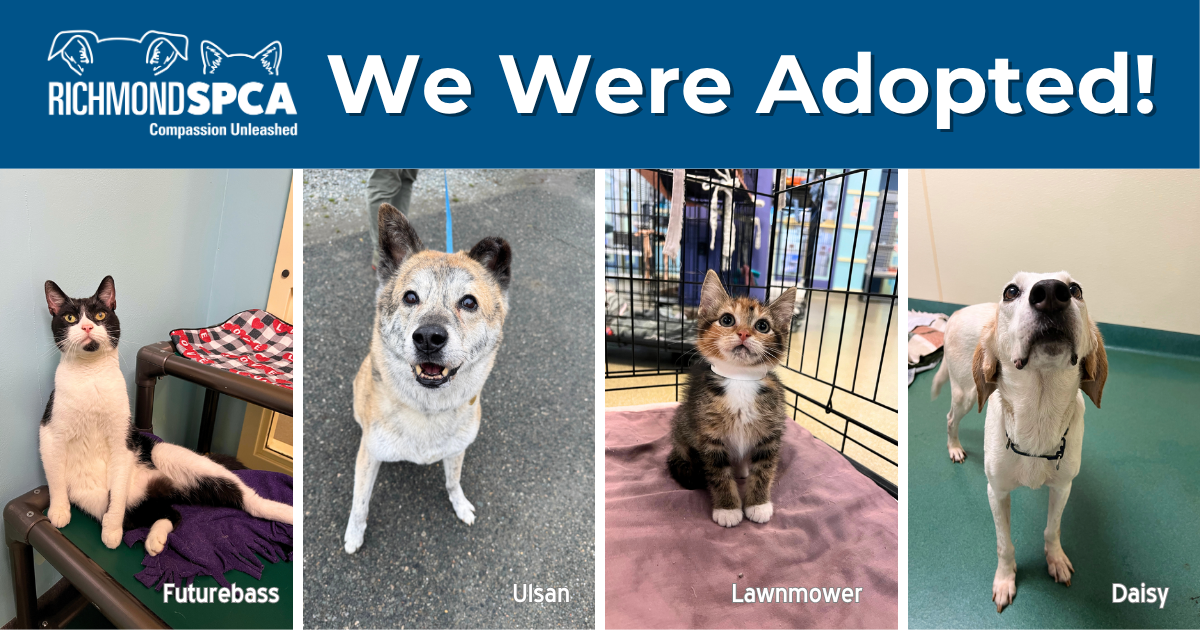
93 Pets Find Forever Homes in a Week of Heartwarming Adoptions
93 Pets Find Homes at Richmond SPCA Ninety-three pets found lasting, loving homes last week through the Richmond...

Rural economic stability and agricultural policy analysis shape the core of the academic work
Rural economic stability and agricultural policy analysis shape the core of the academic work driven by Dr. Sajid...

Vermont Apostille Services Filed in Montpelier, VT
Filing Vermont Apostille Services in Montpelier Getting a document recognized across international borders requires a specific sequence of...