The Reality of Life Along Arizona’s Waterways
Arizona is home to 13 distinct species of rattlesnakes, a higher concentration than any other state in the nation. While these reptiles are often associated with the parched, sun-baked expanses of the Sonoran and Mojave deserts, the reality is that the state’s wildlife—including its most dangerous snakes—is inextricably linked to its water. According to data from the Arizona Game and Fish Department, up to 80 percent of the state’s wildlife species rely on riparian areas for survival. For those exploring the banks of the Colorado, Verde, Salt, San Pedro, and Santa Cruz rivers, this biological fact creates a unique set of circumstances that requires more than just casual awareness.
The stakes of this intersection between human recreation and wildlife habitat are clear. Data from the Banner Poison and Drug Information Center reveals that over 100 rattlesnake bites were reported in 2025 alone. While these incidents can happen anywhere, the riparian zones offer a specific convergence: these areas provide the water, shelter, and prey—such as rodents, lizards, and amphibians—that drive the life cycles of Arizona’s reptile populations. As reported by World Atlas, rattlesnakes are ambush predators that rely on stillness, often remaining undetected until a passerby is dangerously close.
The Colorado River Corridor
The Grand Canyon serves as a primary example of how geography dictates snake behavior. Within the canyon, the National Park Service has documented 22 snake species, four of which are rattlesnakes. The Grand Canyon rattlesnake, characterized by a distinct pink hue, is endemic to the area. Its distribution is not uniform; the species tends to favor the riparian ground on the canyon floor. As rafters move west, the species composition shifts. From Lees Ferry to Tuckup, the Grand Canyon rattlesnake is prevalent, while black-tailed rattlesnakes emerge further west, and speckled rattlesnakes become common past river mile 160.
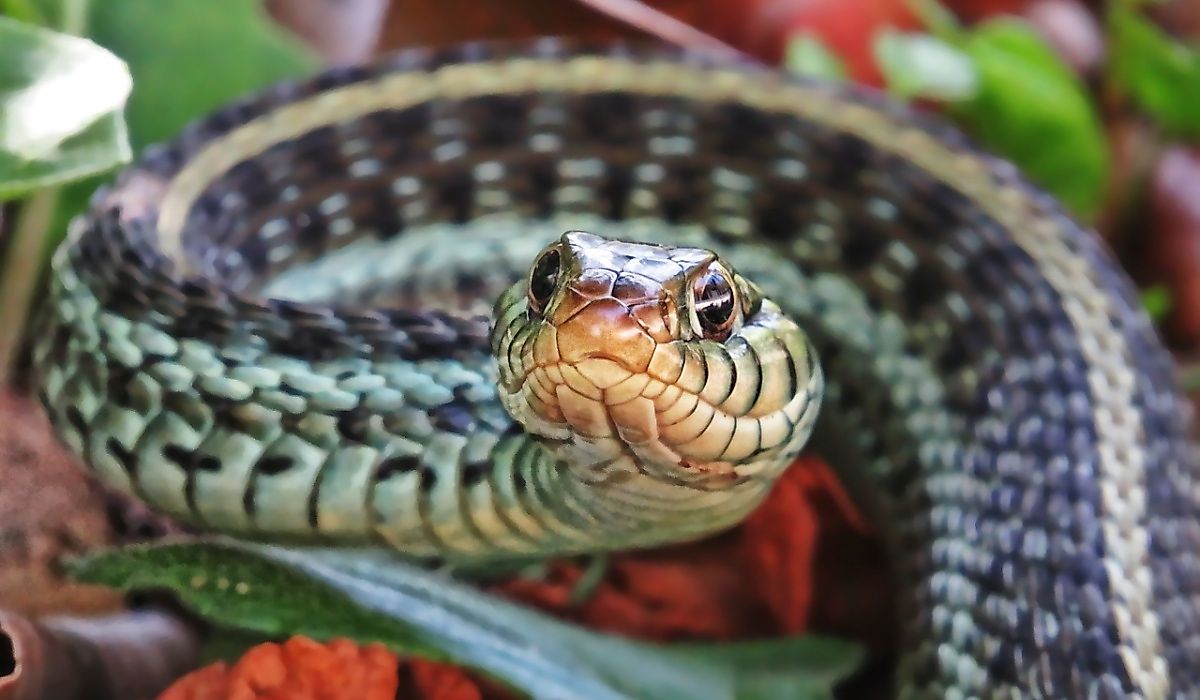
Further downstream, the Bill Williams River meets Lake Havasu, where the National Wildlife Refuge protects a rare, naturally regenerated cottonwood-willow forest. This area is a critical habitat for both the desert bighorn sheep and the western diamondback rattlesnake. It is also a site of ecological recovery. In 2015, biologists rediscovered the northern Mexican gartersnake at Beal Lake, a species previously thought to be extirpated from the lower Colorado floodplain. This discovery underscores the ongoing effort to manage these waterways as both recreational assets and fragile ecosystems.
The Tensions of the Verde and Santa Cruz
The Verde River provides a stark look at the competition for space in Arizona’s wetlands. At Tavasci Marsh, located within Tuzigoot National Monument, biologists have been monitoring the northern Mexican gartersnake, a species protected under the Endangered Species Act. The population there is one of fewer than 10 likely viable groups remaining in the United States. During trapping efforts in 2017, researchers captured 32 individual snakes, yet they also removed over 20,000 non-native mosquitofish and nearly 1,000 American bullfrogs. This data highlights a difficult reality: the same water that supports these threatened snakes is increasingly crowded with non-native species that either compete for food or pose a direct predatory threat to the snakes themselves.

The Santa Cruz River, which saw the return of water to Tucson’s Heritage Reach in 2019, offers a contrasting view of environmental restoration. Surveys conducted between 2021 and 2022 showed that reptile and amphibian diversity increased significantly in areas with consistent flow. However, the presence of water inevitably draws the usual desert inhabitants, including the western diamondback rattlesnake and the California kingsnake. For residents and city planners, this represents a trade-off: the return of a riparian ecosystem brings the ecological health of the river back to the city, but it also brings the wildlife that is naturally attracted to that water.
The northern Mexican gartersnake population, which includes the Tavasci snakes, is one of fewer than 10 likely viable populations of the species in the United States, and all but one of those are in Arizona.
Understanding the Seasonal Risks
For those who frequent these areas, the risk profile changes with the seasons. Rattlesnakes are most active in the warm months, with the peak bite season occurring between July and September. While the National Park Service and other land management agencies emphasize that rattlesnakes are typically defensive rather than aggressive, the proximity of these snakes to hiking trails and river beaches remains a constant factor. At the Tonto National Monument, for example, studies have shown that even species considered rare, such as the Arizona black rattlesnake, are known to frequent the same washes and moist habitats that visitors use for recreation.

The presence of these snakes is not a sign of an encroaching danger, but rather an indicator of a functioning riparian ecosystem. From the San Pedro Riparian National Conservation Area in Cochise County to the rocky stretches of Oak Creek, these rivers remain the lifeblood of the state. The challenge for the public lies in recognizing that these are not merely scenic backdrops for recreation, but active, managed habitats where the movement of a snake is as much a part of the environment as the flow of the water itself. Understanding this dynamic is the first step in sharing the landscape with the species that were there long before the trails were cut.
Worth a look

NTSB: Wind Damage Caused Southwest Flight 746 Dutch Roll Incident
For the 175 passengers and six crew members aboard Southwest Airlines flight 746 on May 25, 2024, a...

Juneau Paratransit Reliability Issues Impact Seniors and Residents With Disabilities
The Cost of Lower Bids: Juneau Seniors Face Transit Barriers For the residents of Juneau’s Pioneer Home, a...

U.S. Bancorp to Resume Share Buybacks and Expand Capital Markets via BTIG Acquisition
U.S. Bancorp, the Minneapolis-based banking giant, is preparing to resume share buybacks as its capital markets division gains...

Seattle Children’s Hospital explains VATER and VACTERL association
Understanding the VATER Association at Seattle Children’s Hospital For families navigating a new diagnosis of VATER—or the more...