The Cost of Living Mandate Facing Governor-elect Becerra
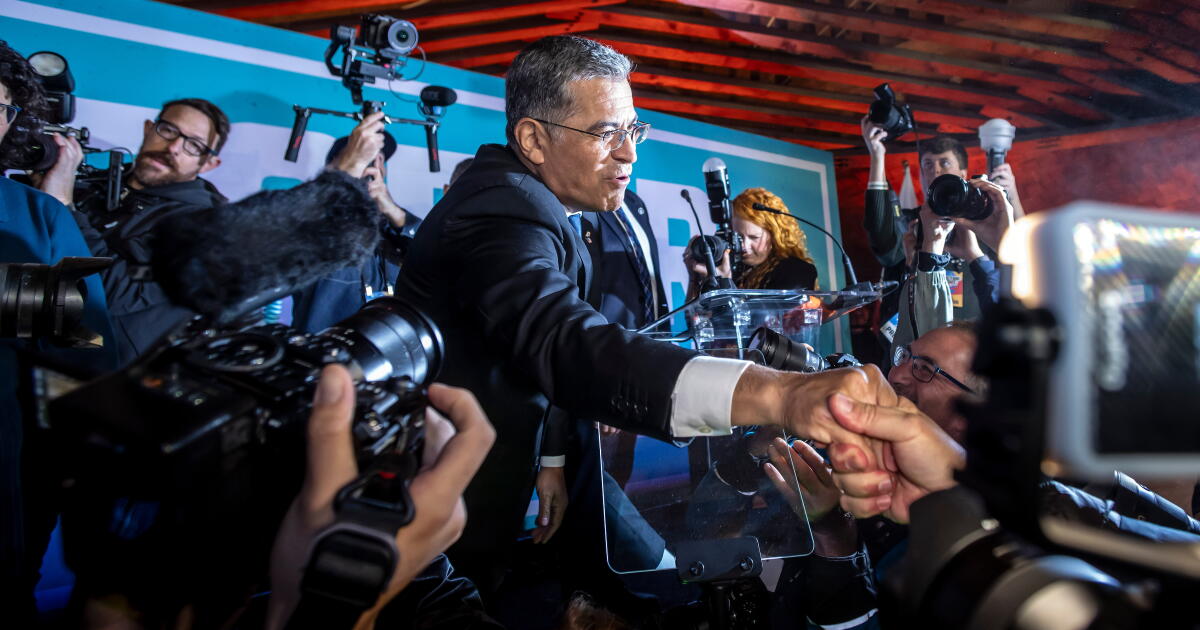
Sacramento is bracing for a shift in tone as Xavier Becerra prepares to take the oath of office. In his first news conference since winning the election, the governor-elect struck a balance between political caution and the urgent reality of California’s economic climate. Speaking inside the state Capitol on Thursday, Becerra resisted pressure to provide immediate, granular policy reversals, particularly regarding the rollback of Medi-Cal expansions for undocumented immigrants—a move that has become a flashpoint for both his base and his critics.
The stakes are high. As reported by the Los Angeles Times, the Legislative Analyst’s Office noted in an October 2025 report that program expansions for undocumented residents were costing the state’s general fund $10 billion annually, more than double the initial projections. For Becerra, the challenge is balancing these fiscal realities with the campaign promises that helped secure his path to the governorship. His refusal to commit to a reversal was framed not as a retreat, but as a pragmatic necessity.
“I can’t make a commitment without knowing what exactly I’m facing,” Becerra told reporters. “I don’t think any voter, any taxpayer, any Californian wants to have a governor who’s still acting like a politician.”
The “Power Hour” and Legislative Alignment
The governor-elect’s most distinct, if still nascent, policy proposal is the “power hour”—a plan to provide low-income households with two daily hours of free electricity. Whether this concept can survive the legislative meat grinder remains an open question. During the Thursday briefing, Assembly Speaker Robert Rivas and Senate President Pro-Tempore Monique Limón stood alongside Becerra in a rare display of unified front, yet they stopped short of endorsing the proposal.
“Could there be some alignment on this idea of power hour?” Rivas asked rhetorically. “Possibly, but specific to this proposal, I don’t know enough about it.”
This caution highlights the friction inherent in California’s budget process. With hundreds of billions of dollars in state funding to be allocated starting early next year, the trio of leaders faces a daunting task: addressing inflation while the state grapples with the fallout of the $11.25-billion housing bond approved by voters on Tuesday. For the average Californian, the primary concern remains the state’s high cost of living, a metric that has driven residents to reconsider their futures in the Golden State.
Economic Pressures and the Search for Revenue
Becerra’s economic philosophy appears to be one of radical openness. When pressed on potential income tax cuts for low- and middle-income families, he insisted that “everything should be on the table.” This approach extends to energy and healthcare, signaling that the incoming administration is wary of tying its hands before it has full access to the state’s ledger.

The political pressure is coming from all sides. Steve Hilton, the Republican nominee who conceded to Becerra earlier this week, warned that the state is reaching a breaking point. “There’s a desperation among regular working people in California,” Hilton said. “Whatever they do in the next four years, I really hope they understand that Californians are at breaking point.”
The governor-elect’s strategy for addressing this desperation involves a pivot toward closer coordination with local governments. Acknowledging a common complaint from mayors and county supervisors that Sacramento often ignores or shortchanges their jurisdictions, Becerra signaled a desire to repair those relationships. This shift could prove vital as the state looks to implement its housing initiatives and manage the ongoing impacts of federal healthcare policy shifts, including the enrollment freezes and $30 monthly premiums for working-age undocumented adults set to take effect next year.
A New Era of Governance
As the first directly elected Latino governor in California’s history, Becerra is navigating a political landscape that is as complex as it is diverse. His background as a trained lawyer and a 25-year veteran of Congress suggests a methodical, perhaps deliberate, approach to governance. Yet, the public’s mandate—focused squarely on the cost of living—leaves little room for the slow-moving deliberation often associated with Washington.
The coming months will test whether this “all options on the table” approach leads to effective policy or simply delays the inevitable hard choices. With the state’s budget cycle approaching, the window for Becerra to transition from candidate to administrator is closing. For now, the governor-elect is asking for patience, betting that a measured start will prevent more costly mistakes later.
Worth a look

NRS Urges Nigerian Content Creators to Register Businesses and Obtain Tax IDs for Incentives
Nigeria’s Creative Economy Faces Tax Formalization Mandate The Nigeria Revenue Service (NRS) has signaled a shift in how...
WFCA Fire Map tracks Pine Creek Fence Boundary Piles RX Fire in Wyoming
Tracking the Pine Creek Fence Boundary Piles Rx Fire As of November 6, 2026, the Western Fire Chiefs...

WSET Meteorologist Predicts Snow Totals for Virginia Winter 2026-2027
Virginia’s Winter Forecast: A Season of Uncertainty As residents across Virginia prepare for the colder months, the question...

Vermont House and Senate Election Results by District
Vermont Legislative Shifts: A Detailed Breakdown of the 2016 Election Results The 2016 Vermont legislative elections resulted in...