
Before the Candy and Costumes, 1899 Huntington Feared the Night
Long before modern door-to-door trick-or-treating became a suburban autumn staple, October 31 meant something entirely different to the residents of Huntington, West Virginia. By 1899, the holiday had devolved into an annual ordeal of drunken revelry and property destruction, prompting urgent demands for state intervention long before dusk settled over the Ohio River valley.
In a frantic letter published in the Huntington Advertiser on October 31, 1899, a local resident signing simply as “A Tax Payer” warned that the evening’s festivities risked sparking deadly confrontations between homeowners and rowdy vandals. Preserved by West Virginia historian Brandon Ray Kirk, the dispatch captured a community on edge, describing frightened women and children alongside citizens who had come to dread the calendar date entirely.
“The old time pleasantness and superstitions connected with ‘Hallow eve,’ are lost sight of here, and in their stead are introduced drunkenness and vandalism,” the writer declared.
The anonymous taxpayer urged city officials to allocate between $150 and $200 for additional police patrols, arguing that the public expense was far preferable to widespread structural ruin. Warning that “a man’s house is his castle,” the letter hinted that exasperated property owners might take matters into their own hands if local law enforcement failed to restore public order.
How Police and Parsonages Kept the Peace
The city’s authorities heeded the warning. Reporting on November 1, 1899, the Advertiser confirmed that Huntington had successfully dodged a repeat of the previous year’s chaos, when rowdy crowds turned the night into what journalists termed an episode of “hideous revelry.” Thanks to heightened police vigilance, the town escaped serious property damage, leaving taxpayers to rest in peace for another year.
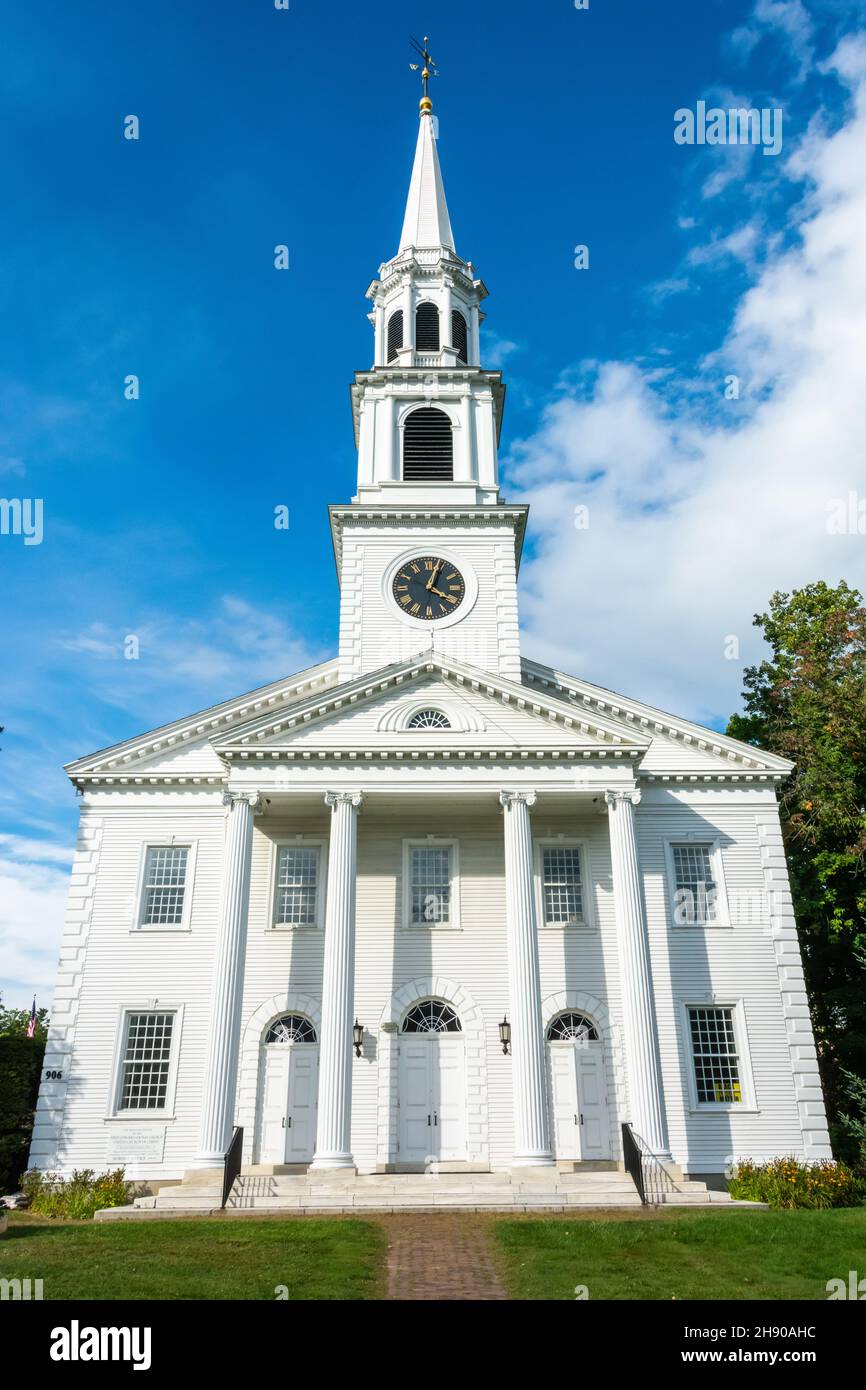
While officers watched the streets for trouble, other residents celebrated indoors. The same November 1 edition detailed a lively costume gathering at the First Congregational Church parsonage located at 520 Ninth Street. Despite inclement weather, the venue drew a full house of ghosts, goblins, fairies, and traditional British household spirits known as brownies.
Local participants donned elaborate theatrical outfits reflecting the era’s customs and ethnic caricatures. Alfred Whitaker appeared in a Native American costume, Frank Hullman dressed as a clown, Henry Ensign wore a Chinese outfit, Ivor Titus represented a fashionable young man dubbed a “dude,” and Griffin McCarthy portrayed Uncle Sam. These festivities proved that organized costume parties were already well-established community traditions in Huntington by the close of the 19th century.
The Deep Roots of American Mischief
Today’s celebrations trace their lineage back through centuries of immigration and folklore. As Aaron Gale, an associate professor of religious studies at West Virginia University, explained in earlier historical findings published by the West Virginia Explorer, the holiday incorporates ancient elements from the Celtic festival of Samhain alongside Christian traditions.

Historical research compiled by Lesley Bannatyne for Smithsonian Magazine demonstrates that nineteenth-century American celebrations frequently revolved around destructive pranks, window-rattling, and neighborhood mischief. Communities across the country eventually countered this wave of vandalism by organizing indoor parties and deploying increased police patrols.
West Virginia’s broader supernatural folklore ran even deeper than its holiday pranks. Long before organized Halloween parties took root, legends like the Greenbrier Ghost shaped local courtrooms in 1897, while the Wizard Clip haunting stretched back to the 18th century. Yet those enduring ghost stories remained entirely separate from the specific rowdiness that defined October 31.
The modern era of supervised children’s activities and domestic trick-or-treating remained decades away from Huntington in 1899. For the taxpayers of that era, the night stood as a genuine threat to public safety rather than a neighborhood holiday.
Worth a look
Baton Rouge among 4 U.S. cities chosen for Justice Department crime reduction grant
Out of 47 major cities that applied across the country, just four secured a spot. Baton Rouge stands...

Team News: Regulars return for playoff opener as Bird changes six – Louisville City FC
Louisville City FC interim head coach Simon Bird has restored his first-choice lineup for Friday’s Eastern Conference Quarterfinal...
Buccaneers to Host Atlanta Falcons in Week 8 “She is Football” Game at Raymond James Stadium
The Tampa Bay Buccaneers are set to host the Atlanta Falcons this Sunday at 1:00 p.m. at Raymond...

Florida Tech Swimming Breaks 3 Records and Sets 8 NCAA B-Cuts
The Florida Tech men’s and women’s swimming teams set a high bar on Friday, Oct. 30, securing three...