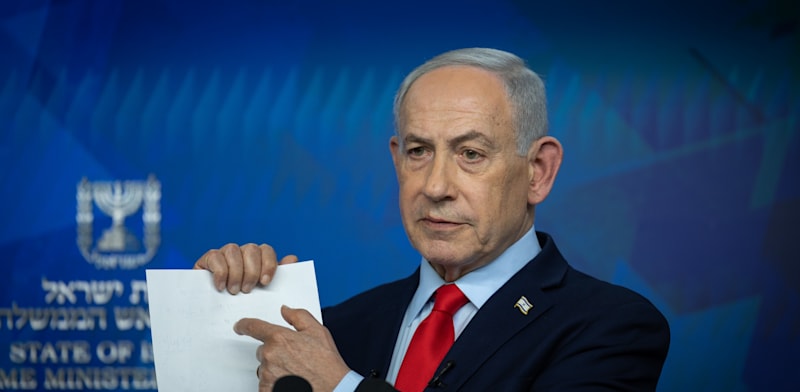
The Israeli state spent over NIS 2.7 million ($880,000) on Prime Minister Benjamin Netanyahu’s residences during 2025 and the first half of 2026. Data released following a court petition by the Movement for Freedom of Information reveals high costs for staff salaries, food deliveries, and luxury home maintenance across three different properties.
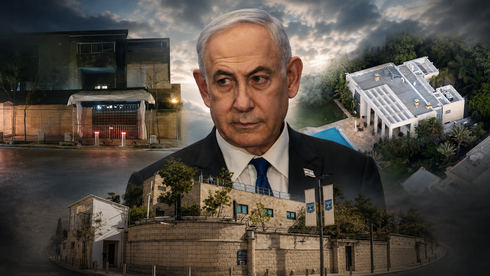
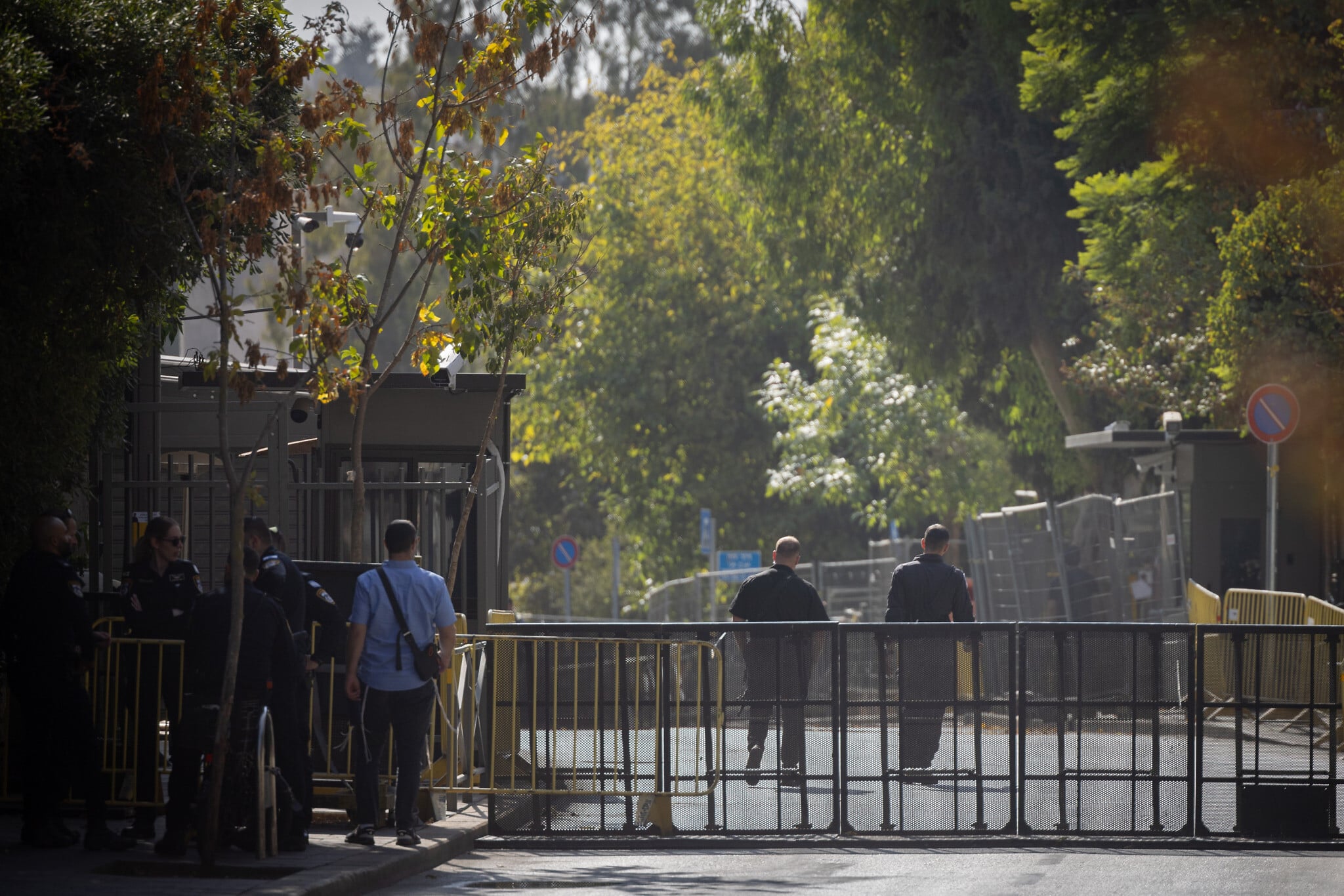
Public records now show a detailed breakdown of the costs associated with the Prime Minister’s lifestyle, including his private homes in Caesarea and on Jerusalem’s Azza Street, as well as the official residence on Balfour Street. While the Prime Minister’s Office argues these costs are lower than those of his predecessors, the specific nature of the spending has drawn sharp criticism from transparency advocates.
The NIS 2.7 Million Expenditure Breakdown
The total expenditure of over NIS 2.7 million covers a period from the start of 2025 through June 2026. According to data released this week, the spending was split between 2025, which cost the state NIS 1,979,517 ($646,731), and the first six months of 2026, which added another NIS 731,081 ($238,852).
The bulk of this money went toward personnel. Of the total, NIS 1,735,000 ($566,706) was allocated to staff pay, while NIS 974,000 ($318,217) covered operation and maintenance. This suggests that the permanent staffing of these residences remains the primary financial burden on the taxpayer, regardless of how much time the Prime Minister actually spends at each location.
Expense Category
2025 Cost (NIS)
H1 2026 Cost (NIS)
Total Spending
1,979,517
731,081
Staff Salaries
~1.47 million
~265,000
Operations & Maintenance
~508,000
~466,000
Azza Street and Caesarea: Luxury Maintenance and Wolt Orders
The data highlights a pattern of high-end residential upkeep. At the Caesarea home—which has been unoccupied since a Hezbollah drone strike in October 2024—the state spent NIS 94,957 ($31,011) on gardening in 2025 alone. Further specialized maintenance included NIS 10,590 for preventive treatment against penetrating roots beneath the structure in 2025, with an additional payment of NIS 3,540 made on May 27, 2026.
65 מיליון על שלושה בתים: ביקורת חריפה על נתניהו, בנט ולפיד
At the Azza Street residence in Jerusalem, the spending focused on interior upgrades and convenience. The state paid approximately NIS 28,500 ($9,307) to replace two bathtubs over a 13-month period, with one replacement occurring in March 2025 and another in April 2026. The Prime Minister’s Office also funded frequent food deliveries via the Wolt app. Between July and October 2025, 34 orders were placed for the Azza Street apartment totaling NIS 4,984 ($1,627), including 19 deliveries in August 2025 that cost roughly NIS 2,700 ($880).
One specific date, June 16, 2025, stood out for its volume of activity. The data shows 76 separate purchases for food and prepared meals on that single day, totaling NIS 9,521 ($3,109). These purchases were split across all three residences: 58 at the private homes and 18 at the Balfour Street official residence.
Transparency Battles and Official Defenses
The release of these figures was not proactive. The Movement for Freedom of Information had to petition the court to force the disclosure of the records, which were originally requested in December 2025. Even then, the government maintained a level of secrecy; 347 line items in 2025, totaling NIS 63,033 ($20,585), were completely redacted on the grounds of state security.
Photo: Ynetnews
“Once again we were required to go to court to reveal information about the expenses of the Prime Minister’s residence, and once again an extravagant policy using public funds is revealed in the Prime Minister’s residence.”
Photo: The Times of Israel
Hiddai Negev, executive director of the Movement for Freedom of Information
The Prime Minister’s Office has pushed back against the narrative of extravagance by comparing the costs to previous administrations. The office claims that overall expenses during Netanyahu’s term are significantly lower than those of his predecessors. Specifically, the office pointed to former prime minister Naftali Bennett, asserting that during his year in office, ongoing expenses (excluding personnel and security) totaled NIS 1,370,362, whereas the corresponding period under Prime Minister Netanyahu totaled only NIS 465,319—less than one-third of Bennett’s spending.
This defense focuses on the total sum of operational costs, but critics like Negev argue that the issue is not just the amount, but the lack of transparency. Negev stated that a normal reality is one where these expenses are visible and accessible to the public as part of the duty of oversight.
As the official Balfour Street residence continues its prolonged renovations—now classified in some documents as support apartments—the public remains reliant on court-mandated disclosures to track how the state funds the Prime Minister’s private domestic life.