Boston’s Reality TV Moment and the Search for Connection
As the final wedding ceremonies of Love is Blind season 11 played out on screens across the country, local fans in Massachusetts gathered at watch parties to see if the experiment actually worked in their backyard. The popular Netflix series, which features singles dating sight unseen in isolated pods before choosing a partner, wrapped up its Boston-based season this week. For many residents, the show’s arrival in New England served as a mirror, albeit a distorted one, reflecting the complexities of dating in a city known as much for its transient population as its historic charm.
LOVE IS BLIND IS COMING TO BOSTON OCT 14! pic.twitter.com/4c4mvqpnoR
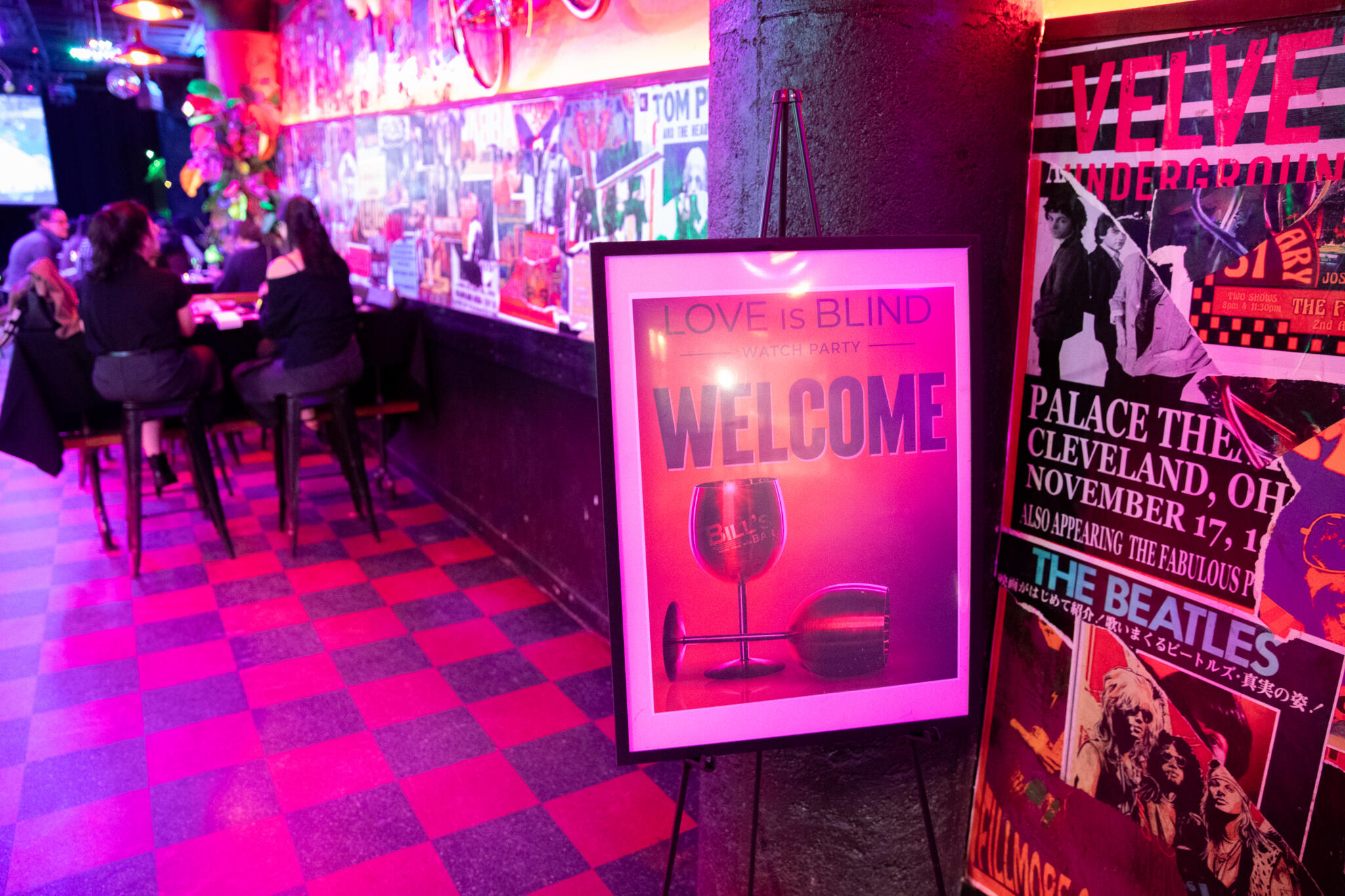
WBUR News reported that fans packed into venues like Bill’s Bar to witness the final “I do’s” and “I don’ts.” The event was punctuated by appearances from cast members Aneha Singh and Morrey Eglin, the latter of whom has become something of a local figurehead for the season. While the show is structured as a high-stakes social experiment, the conversation in Boston bars and pubs quickly pivoted to a more grounded question: Is it possible to find a meaningful connection in a city defined by its high costs and fast-paced, transient lifestyle?
The Disconnect Between Reality TV and Real Life
The production of the show in Boston sparked immediate debate about what constitutes a “real” Bostonian. According to coverage in the Boston Globe, viewers hoping for a cast of neighborhood lifers with thick local accents were met with a different demographic. Instead, the season featured a mix of white-collar professionals, immigrants, and transplants drawn to the region’s booming biotechnology and health care sectors. This discrepancy led to skepticism at local watch parties, with some attendees noting the season felt more like a generic New England production than a true capture of the city’s character.
This demographic reality is tied directly to the region’s economic pressures. The Boston Globe noted that while the average age of the season 11 cast is 34—making them one of the oldest groups in the show’s history—few are homeowners. Those who do own property often live outside the city limits. The financial strain is palpable: one participant reported paying $3,000 monthly for a 400-square-foot studio in Cambridge, a figure that highlights the affordability crisis shaping where and how modern Bostonians can afford to build a life together.
Finding Love in a Transient City
Despite the high rents and the “bad rep” often attributed to the local dating scene, some residents argue that the difficulty is overstated. Oliver Brown, a Somerville resident who works in nightlife, told WBUR News that the perception of a cold dating environment might come down to where people are looking. “You’re not finding love in Southie. You’re not finding love in Faneuil Hall,” Brown said, suggesting that neighborhood bars and smaller, local spots offer a better chance at authentic connection.
For others, the strategy for meeting people is more structured. Matt Chan, an attendee at a local watch party, pointed to the city’s robust network of hobby-based groups as a viable path for singles. “If you’re not a sports person, you don’t have to do sports,” Chan noted, highlighting that Boston’s abundance of niche communities—from slam poetry circles to intramural leagues—provides common ground for those looking to bypass the traditional, often silent, bar scene.
“I think it is hard for females because men don’t talk here. They don’t talk in the bars, transparently,” said Elizabeth Milazzo, a Boston local who attended the watch party at Bill’s Bar.
The Stakes for Local Singles
The “so what” of this reality television experiment reaches beyond the entertainment value. The show has highlighted a tension that many residents feel daily: the struggle to balance a career in a high-pressure, expensive market with the desire for long-term domestic stability. When the average single professional is navigating a market where housing consumes a significant portion of income, the “pods” of the television show provide a fantasy of simplified intimacy that feels worlds away from the reality of coordinating schedules in a city that is constantly changing.

As the reunion episode approaches on November 8, the conversation among locals remains divided. While some see the show as a fun, if flawed, representation of their city, others see it as a symptom of a larger issue: the difficulty of putting down roots in a place that is increasingly becoming a waystation for transient professionals rather than a permanent home for families.
Whether or not the participants found their matches, the season has succeeded in forcing a conversation about the social fabric of Boston. As residents continue to share their own experiences—from the advice to “venture out of your comfort zone” to the warnings to avoid certain neighborhoods—the search for connection in Beantown continues, largely unchanged by the cameras that briefly turned their focus toward the city’s unique, and challenging, dating landscape.
Virginia Morales Cedeño Obituary: A Legacy of Family and Passion
Virginia Morales Cedeño: A Life Defined by Family and Community Virginia Morales Cedeño, whose life spanned nearly a...

Phil Scott Victory Highlights Why Pre-Election Polls Failed
The 14-Point Discrepancy in Vermont’s Gubernatorial Race When the final ballots were tallied on Tuesday, the results in...
Senfronia Thompson Claims Enough Votes to Become Texas House Speaker
A Historic Shift in the Texas House State Rep. Senfronia Thompson, a fixture of the Texas Legislature since...

Marsha Blackburn wins Tennessee governorship with 45.5% of vote
A Victory in the Reddest State That Felt Like a Warning The election night party for U.S. Senator...