
Boston will begin tracking crashes involving e-bikes and e-scooters, folding those incidents into the emergency data collected by the city and EMS on pedestrians, cyclists, and motorists.
The new tracking initiative forms part of a broader Vision Zero Action Plan update released on Friday by Mayor Michelle Wu’s office. The updated roadmap outlines strategies to eliminate traffic deaths and serious injuries across Boston roadways.
The strategy shift responds to demands that the city advance stalled street safety projects. Louisa Gag was killed while cycling, prompting fierce criticism over stalled street safety projects.
The updated report analyzed safety data from 2015 to 2025. It revealed that fatal crashes dropped 25 percent over that decade, while injury-causing crashes fell by 20 percent.
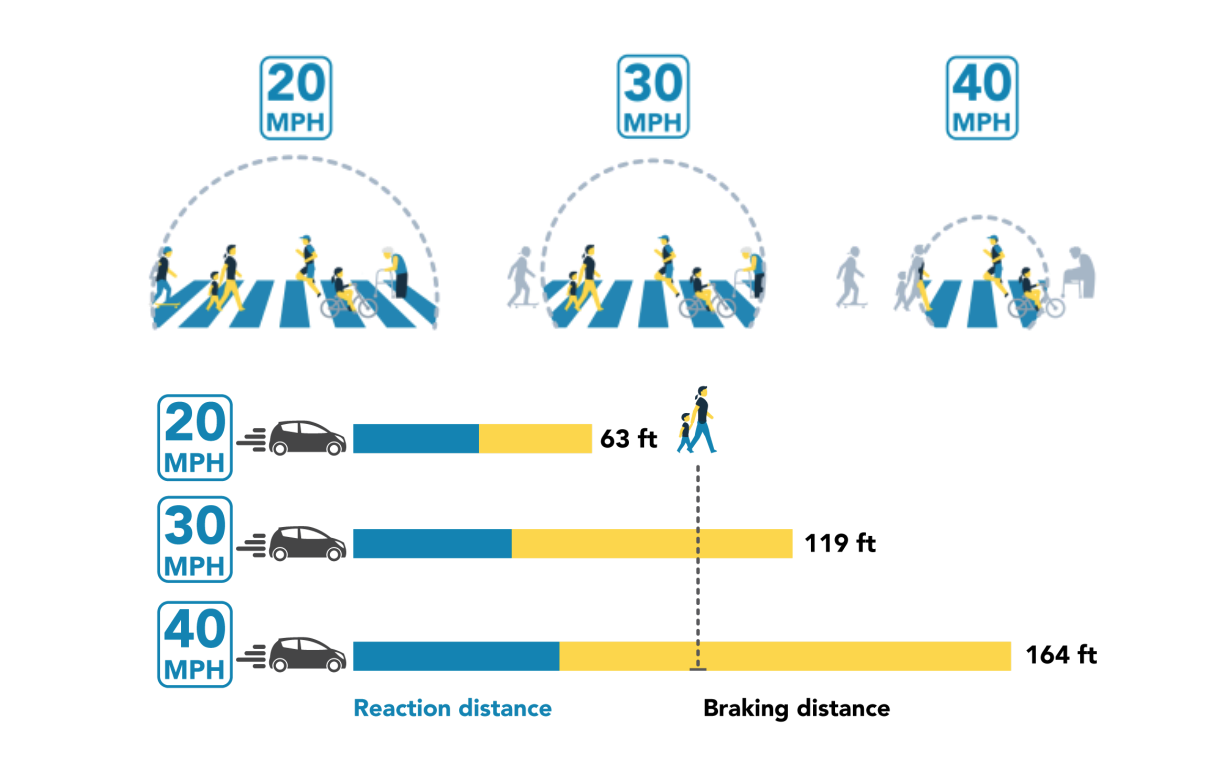
Citywide injury crashes logged by emergency medical services fell by approximately 20 percent. That drop reduced emergency medical responses for pedestrians, bicyclists, and motorists by roughly 860 incidents per year.
Streets featuring narrow lanes or roadway narrowing projects showed the sharpest drops in pedestrian injuries. Across 52 project locations, pedestrian injury crashes fell from 230 to 118, marking a 49 percent reduction compared to a 33 percent reduction on control streets.
“Over the last decade, Boston has made meaningful progress in redesigning our streets to prevent serious crashes.”
Michelle Wu said in a statement Friday.
Advocates note that specifics regarding which exact streets will receive speed humps or protected bike lanes, and when those upgrades will arrive, remain unanswered. The updated plan also considers truck safety policies, including designated truck routes, delivery zones, and potential time-of-day delivery restrictions.
Related reading

Nevada Fentanyl Crisis: Medicaid Covers Methadone, Buprenorphine, Naltrexone
Nevada faces one of the nation's most severe fentanyl overdose crises, with fentanyl-related overdose deaths increasing dramatically over...

Genki Forest Achieves Double-Digit Growth With Alien Electrolyte Water and Haozizai Wellness Water
On November 20, Genki Forest held its 2026 National Distributor Conference in Zhuhai, Guangdong, where Tang Binsen, Zhang...

Maine Celtics Erase 17-Point Deficit, Beat Capital City 114-102 Behind Amari Williams Double-Double
Maine erased a 17-point hole with a 34-8 run spanning halftime to beat Capital City 114-102 Friday night...
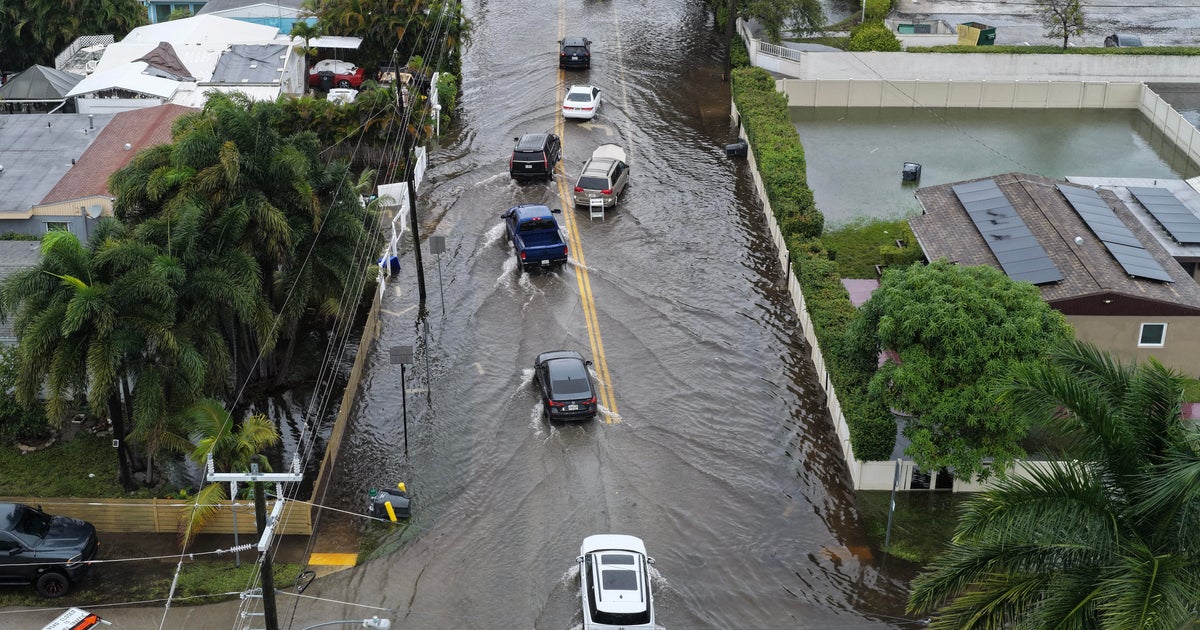
Brevard County Florida Flooding After Heavy Rain Causes River Highs and Rescues
Brevard County is underwater again, barely two weeks after a 1-in-1,000-year storm swamped the Space Coast. About two...