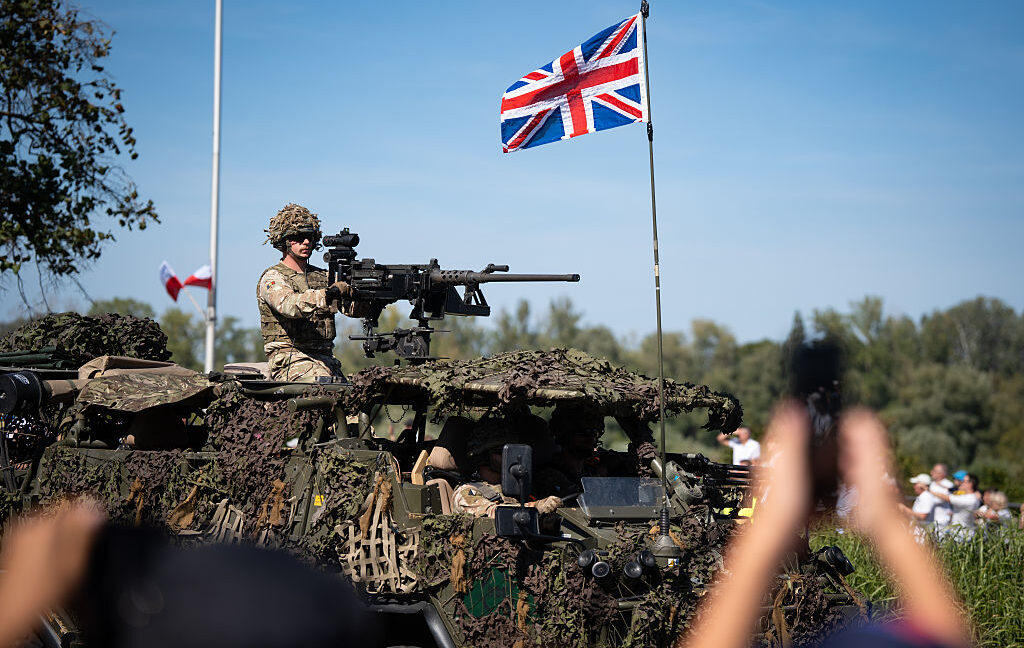
The Cost of a Compromised SIM: A British Soldier’s Legal Downfall
A British soldier’s failure to adhere to strict mobile security protocols has culminated in a court-martial, highlighting the severe consequences of digital negligence within the armed forces. Barton-Kennedy, a member of the British Army, faced disciplinary action after he ignored direct orders to remove his SIM card—a standard security measure designed to prevent the tracking and exploitation of personnel. The incident, as reported by Ars Technica, illustrates the high-stakes intersection of personal mobile use and operational security.
On January 19, the situation escalated when Barton-Kennedy informed his platoon commander that he had been targeted by an unknown party. The attacker had successfully accessed nude photographs of the soldier from his mobile phone’s storage and utilized social media to identify his military affiliation. This breach of privacy quickly transformed into a financial extortion attempt.
Initially, Barton-Kennedy acquiesced to the demands, paying the blackmailer 100 British pounds, or approximately $133. However, when the attacker increased the demand to 250 British pounds—roughly $333—the soldier finally disclosed the breach to his superiors. His decision to report the incident only after the extortion attempt grew in scope proved to be a critical failure in the eyes of military command.
The Disciplinary Response and Court-Martial
The legal repercussions were swift. Following the investigation into the security breach, Barton-Kennedy was court-martialed and entered a guilty plea during a hearing on July 30, 2026. In the subsequent legal proceedings, the soldier did not dispute the facts of the case, acknowledging that he fully understood the orders he had been given regarding his mobile device at the time of the incident.
Instead, Barton-Kennedy’s defense sought to contextualize his actions through personal hardship. He explained to the court that his mobile phone was his primary link to his family, specifically citing an inability to contact his daughter on her birthday or communicate with his pregnant partner if he were to surrender the device as ordered. In a written statement, he expressed profound regret, noting that serving in the British Army has been one of the greatest privileges of his life. Despite these personal circumstances, he acknowledged his professional responsibility, writing, “Despite still being in a state of shock and uncertainty, I recognised that I had a duty to report the compromise without any further delay.”
Operational Security vs. Personal Connectivity
The soldier’s attempt to appeal his sentence was ultimately denied in August 2026, leaving the original disciplinary measures in place. The case serves as a stark reminder of the uncompromising stance the British Army takes regarding digital hygiene. Lt. Col. EP Mackie, a spokesperson for the British Army, underscored this position in a statement provided to Ars Technica.

Any breaches of Army security measures that might compromise personal safeguarding or operational security will be dealt with swiftly, and offending personnel can expect uncompromising disciplinary action.
For the average reader, the incident illustrates the widening gap between the expectations of modern personal connectivity and the realities of institutional security. While civilian life increasingly relies on persistent digital access, military personnel are held to a different standard, where a single device can become a vector for intelligence gathering or leverage for hostile actors. The case of Barton-Kennedy demonstrates that for those in uniform, the convenience of a smartphone remains secondary to the rigid requirements of force protection.
Worth a look
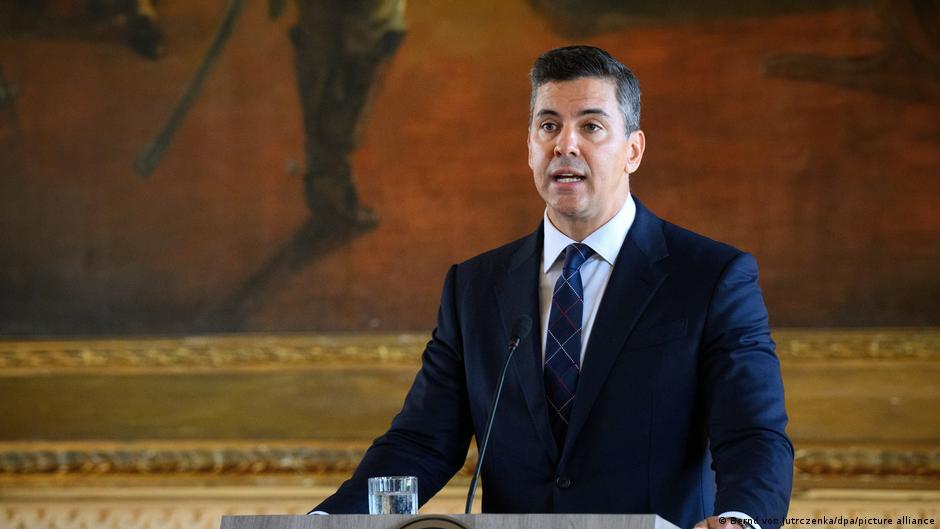
Paraguay Senate impeaches President Santiago Pena after Ueno Bank collapse
Paraguay’s Presidency Collapses as Ueno Bank Insolvency Triggers Political Purge The political career of Paraguayan President Santiago Pena...

Muhyiddin Calls for Anwar to sack ministers not aligned with administration
Muhyiddin Yassin Calls for Cabinet Purge Amid Growing Unity Government Friction Bersatu president Muhyiddin Yassin has publicly urged...
Spain’s largest ship builder signs a deal to aid one of Africa’s strongest navies in modernizing 30-year-old warships built by the same company – Business Insider Africa
Navantia Secures Angolan Naval Modernization Contract for 1990s Patrol Boats “This order from the Angolan government marks another...

Channel 4 Cancels Married at First Sight UK After Welfare Reviews
Channel 4 canceled Married at First Sight UK after 10 seasons following an independent welfare review and serious...