Paraguay’s Presidency Collapses as Ueno Bank Insolvency Triggers Political Purge
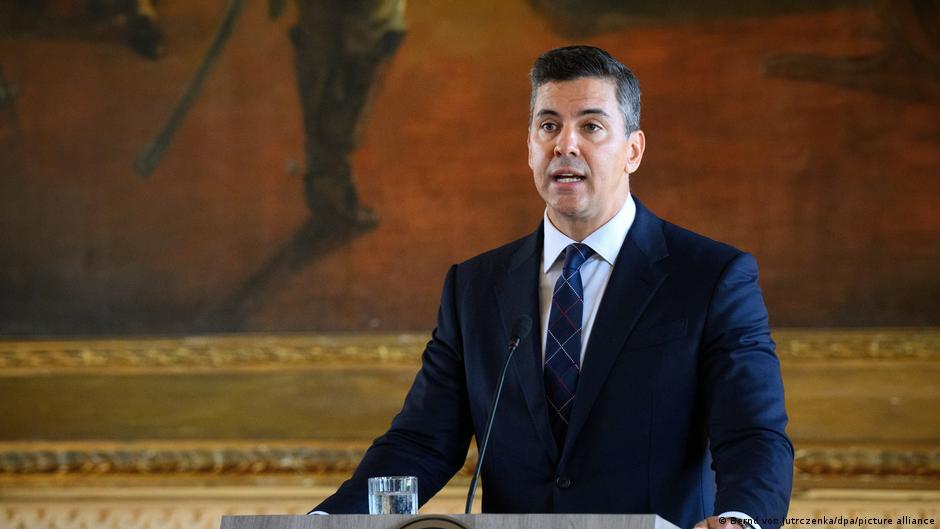
The political career of Paraguayan President Santiago Pena disintegrated on Friday as the Senate voted overwhelmingly to remove him from office, marking a violent end to a presidency that had promised to bring foreign investment to the South American nation. The impeachment, which followed Pena’s resignation on Thursday, was a calculated maneuver by lawmakers to strip the ousted leader of the lifetime Senate seat and immunity typically afforded to former presidents, according to DW.com.
The crisis stems from the catastrophic collapse of Ueno Bank, a digital lender that had become a cornerstone of the Paraguayan financial system. By Monday night, the central bank had ordered the institution into resolution after discovering its solvency ratio had plummeted to less than half of the required legal minimum. The fallout was immediate: roughly 2.94 million customers—approximately 60% of the country’s adult population—found their accounts frozen overnight, The Guardian reported.
The Financial Fallout for Millions
For the average Paraguayan, the collapse was not merely a headline but a sudden, paralyzing reality. Pedro Volpe, a lawyer and writer, recounted his experience to The Guardian after finding his balance inaccessible immediately following payday. The bank’s popularity, driven by aggressive digital expansion and cashback incentives, meant that its shuttering effectively paralyzed a significant portion of the national economy. Businesses across the country have reported an 80% decline in sales this week as the public struggles to secure basic necessities like food.
The scale of the liquidity crisis is immense. According to DW.com, Ueno held approximately $800 million in public-sector deposits, including critical funds from the operators of Paraguay’s massive hydroelectric dams. Furthermore, the Social Security Institute (IPS), which manages the pension and health care funds for the majority of the nation’s workers, had $355 million—roughly 9% of its total investments—locked within the failed lender.
Conflict of Interest and Presidential Ties
The impeachment articles, submitted by 35 opposition lawmakers and ruling-party dissidents in the 80-seat Chamber of Deputies, centered on allegations of institutional cover-ups, misuse of pension funds, and a deep-seated conflict of interest. While Pena claimed to have sold his shares in Ueno Holding in April 2025, investigators are scrutinizing his prior financial involvement. The Guardian noted that Pena had purchased roughly $1 million in shares in 2019 in the company that would eventually become the conglomerate controlling Ueno Bank.
Skepticism remains high regarding the independence of the central bank during Pena’s administration. The impeachment motion highlighted the 2023 appointment of central bank chief Carlos Carvallo, who previously chaired Financiera Ueno. According to documents cited by DW.com, the central bank approved the lender’s conversion into a full-scale digital bank just 83 days after Carvallo took his post. Al Jazeera corroborated that regulators identified a pattern of risky “insider” lending, a practice that has historically plagued the Paraguayan banking sector, most notably during the crises of the mid-1990s and early 2000s.
Protests and the Push for Accountability
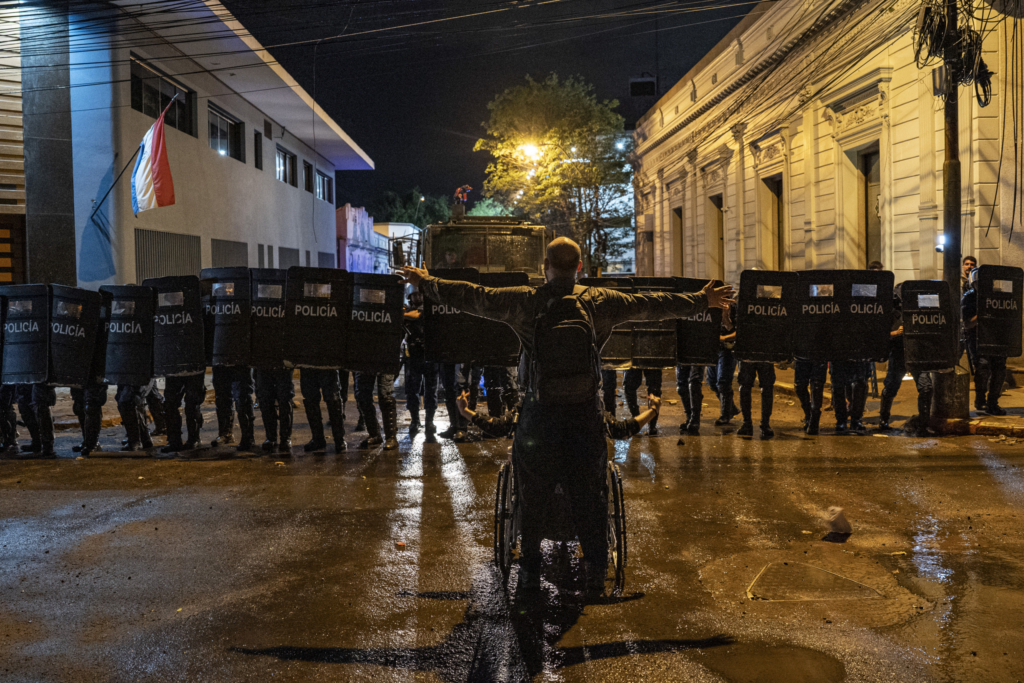
As of Friday, Pena is under house arrest, and prosecutors have ordered his detention alongside former central bank chief Carlos Carvallo. Police have established a security cordon around the former president’s residence in Asunción to manage the crowds of protesters demanding the return of their savings. The human rights implications of the crisis have drawn intervention from international observers. Ana Piquer, Director for the Americas at Amnesty International, emphasized that the state’s primary responsibility is to ensure that no political or economic interest takes precedence over the rights of families now facing an uncertain future, as reported by Amnesty International.
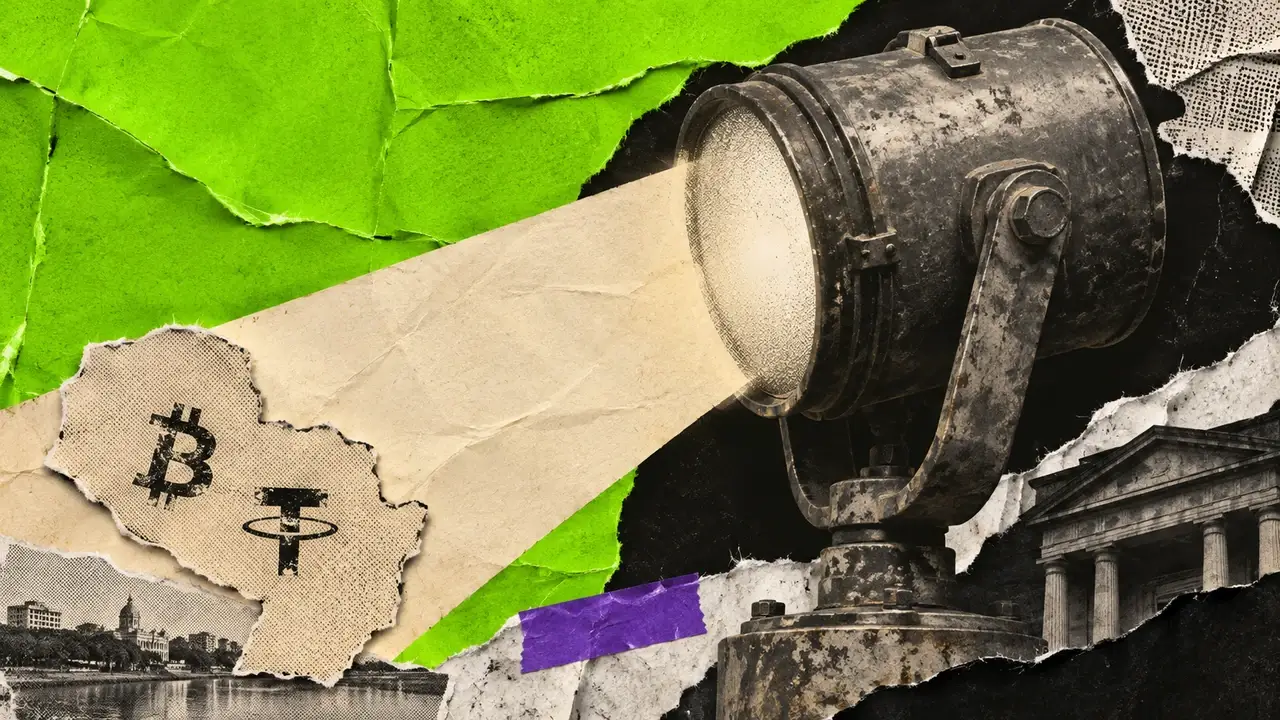
The financial uncertainty has also sparked a flight to alternative assets. CryptoSlate reported that Bitcoin and USDT have traded at premiums in Paraguay’s peer-to-peer markets as the local currency, the guaraní, weakened by approximately 10% against the US dollar between October 30 and November 5. While the central bank has initiated a deposit-guarantee process for smaller savers, the broader market remains volatile.
A Shift in Executive Power
Vice President Pedro Alliana is set to assume the presidency, tasked with navigating the country through the remainder of the term, which concludes in August 2028. The removal of Pena represents a significant rupture within the conservative Colorado Party, which has held power for over seven decades. The resignation of support from Congress President Basilio Nunez and party leader Horacio Cartes on Thursday signaled the end of Pena’s political viability, effectively forcing the legislative body to move toward the more punitive impeachment process to ensure legal accountability.
Despite the detention of eight senior executives, including founder Miguel Vazquez and bank president Juan Manuel Gustale, the path toward restoring public confidence remains unclear. Prosecutors have charged 27 officials and business associates with breach of trust and attempted fraud. For the millions of depositors left queuing outside closed branches, the legal proceedings offer little immediate relief for the daily struggle of accessing their own money.
Related reading
- Muhyiddin Calls for Anwar to sack ministers not aligned with administration
- Spain’s largest ship builder signs a deal to aid one of Africa’s strongest navies in modernizing 30-year-old warships built by the same company – Business Insider Africa
- Paraguay impeaches president after major bank collapse (newsarchyuk.com)
- Miller's Chief of Staff Job Needs No Senate Vote; Three DOJ Seats Do (daybreakwire.com)

Muhyiddin Calls for Anwar to sack ministers not aligned with administration
Muhyiddin Yassin Calls for Cabinet Purge Amid Growing Unity Government Friction Bersatu president Muhyiddin Yassin has publicly urged...
Spain’s largest ship builder signs a deal to aid one of Africa’s strongest navies in modernizing 30-year-old warships built by the same company – Business Insider Africa
Navantia Secures Angolan Naval Modernization Contract for 1990s Patrol Boats “This order from the Angolan government marks another...

Channel 4 Cancels Married at First Sight UK After Welfare Reviews
Channel 4 canceled Married at First Sight UK after 10 seasons following an independent welfare review and serious...

Trump Confirms Minor US Strikes Targeting Iranian Air Defenses
Trump Confirms Targeted Strikes on Qeshm Island President Donald Trump confirmed Friday that U.S. military forces conducted a...