
At a moment when American public life feels increasingly fractured, the question of what actually binds neighbors to one another has taken on a fresh urgency. That question sat at the center of the Cookson Lecture at Batten University, where speaker Jonathan Zur offered reflections on building inclusive communities — a theme that resonates far beyond any single campus lecture hall.
The lecture’s title poses a deceptively simple question. “What truly brings people together?” is not a rhetorical flourish; it is a civic question with real stakes for towns, schools, workplaces, and congregations across the country. Zur’s reflections, delivered under the Cookson Lecture banner, frame inclusive community-building not as an abstract ideal but as something practiced in everyday decisions — who gets invited, who gets heard, and who gets a seat at the table.
Why Inclusive Communities Matter Right Now
Inclusive communities are the connective tissue of civic life. When institutions — whether a university, a local government, or a neighborhood association — deliberately widen the circle of participation, they tap into a broader range of experience, talent, and perspective. The payoff is practical, not just moral: communities that include more voices tend to make better decisions, because they surface problems and possibilities that a homogeneous group might miss.
That is the quiet argument underneath Zur’s appearance at Batten University. The Cookson Lecture series exists to bring outside voices onto campus, and Zur’s focus on inclusion speaks to a perennial challenge — how to build a community where belonging is not conditional on background, identity, or viewpoint.
From Lecture Hall to Living Room
What makes a lecture like this matter is that its subject does not stay in the auditorium. The habits that make a community inclusive — listening first, sharing credit, making room for newcomers — are the same habits that shape families, workplaces, and online spaces. Zur’s reflections invite the audience to carry that question home: what, in your own daily life, actually brings people together?
There is also a honest counterpoint worth sitting with. Inclusion is easy to endorse and hard to practice, because it requires established members of a community to share attention, resources, and influence. The discomfort that comes with that is not a sign the effort is failing; it is often a sign it is working. Communities that never feel any friction rarely change at all.
What Comes After the Applause
Lectures end, but the work of community-building continues. For students and residents who attended, the takeaway is less a single answer and more a standing question: what truly brings people together in the spaces you actually inhabit? The Cookson Lecture at Batten University, with Jonathan Zur’s reflections on inclusive communities, keeps that question on the table — where it belongs.

SWAT Team Arrests Cheyenne Man Following Felony Strangulation Warrant
When the flash-bang detonated outside the house at 8512 Cowboy Road just after 8 a.m. Wednesday, the sound...
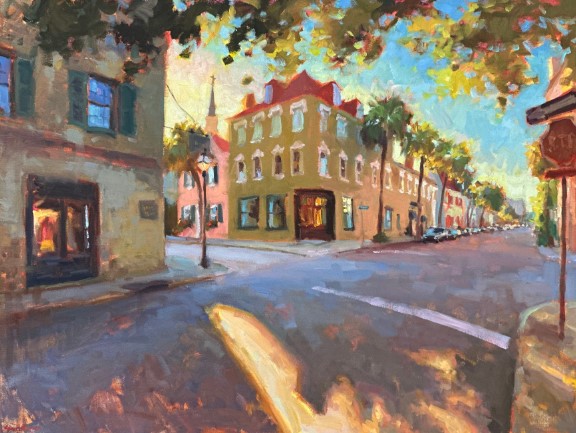
39 Best Art Galleries and Museums in Downtown Charleston: An Interactive Guide
Thirty-nine galleries and museums now anchor downtown Charleston's cultural landscape, stretching from the French Quarter down to Gallery...
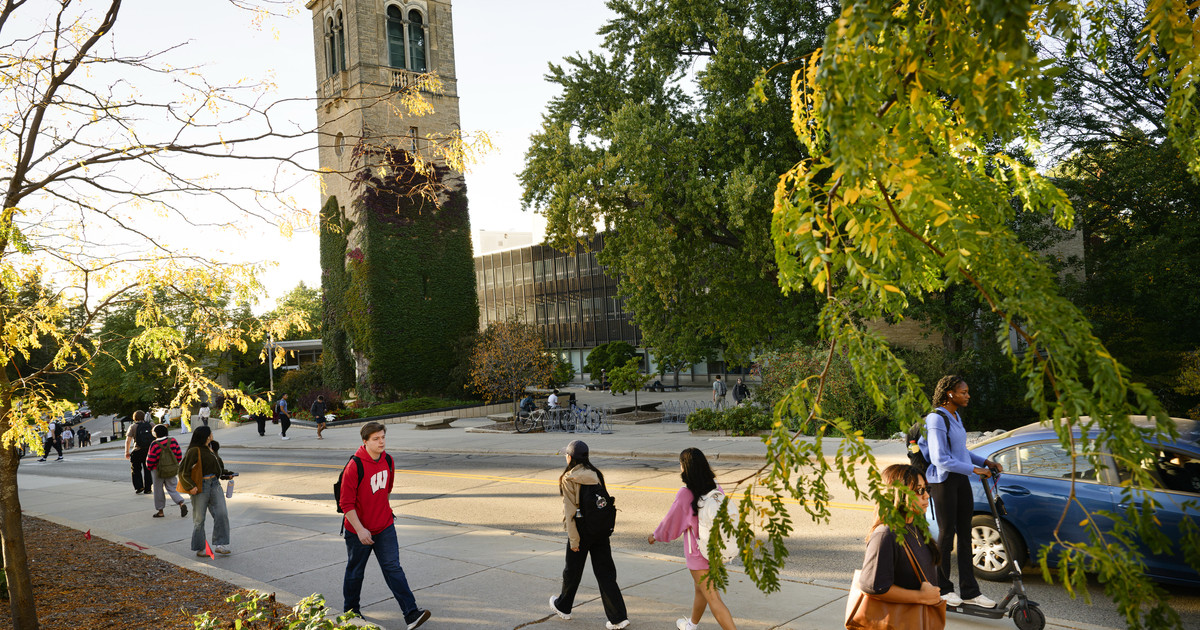
UW-Madison Campus Features Autumn Colors and Wildlife
Four sandhill cranes were photographed frolicking near Rennebohm Hall and the Nielsen Tennis Stadium during an autumn evening,...

Olympia Community Solar and Grace Episcopal Church Launch 73-Panel Solar Project on Bainbridge Island
"Grace Episcopal Church is honored to join the solar energy community in Kitsap County," said Eric Mason. "Caring...