
“I’m protecting the constitutional right to be annoying, to be an asshole, to be combative, to do whatever as long as I’m not threatening,” a First Amendment auditor told Seven Days.
That clash is just one of several fueling a fierce debate over new restrictions on public access at the municipal building. For years, Burlington residents could walk straight into the mayor’s third-floor office without an appointment.
But since June, a private security guard has been stationed at the staircase to block entry unless visitors have scheduled a meeting with the mayor or the Community and Economic Development Office, Seven Days reported.
The third-floor checkpoint is the most visible change in a suite of rules drafted this summer by the administration of Mayor Emma Mulvaney-Stanak without public debate. Under the new policy, visitors cannot stay in City Hall for more than 10 minutes without an express purpose. Those who disobey staff, attempt to film in nonpublic areas, or intend to disrupt municipal business risk a temporary ban.
Mulvaney-Stanak, a Progressive, instituted the restrictions after a series of disruptive visits by critics and free speech provocateurs left employees feeling unsafe. Some workers grew so distressed by activists posting videos of their visits on social media that they complained to human resources.
One critic, Aryeh “Ari” Moskowitz, so aggressively pursued an audience that the mayor believed he posed a threat to her safety, leading to criminal stalking charges in June.
“My deepest concern is that it will have a deep, chilling effect on people running for office, especially women, and especially women who have small children and families,” Mulvaney-Stanak told Seven Days in an interview.
City lawyers maintain that limiting access is legally justifiable and comparable to rules at courthouses and schools. Yet First Amendment advocates question where the boundary lies. “Sometimes it’s annoying to be scrutinized as a member of government, and that’s part of the social contract that we have,” said Alex Morey, a First Amendment specialist with the Freedom Forum.
Moskowitz and other social media provocateurs argue the rules were designed to silence dissent. Moskowitz contends he was merely being annoying rather than threatening while petitioning the mayor over downtown homelessness and drug use.
Meanwhile, the mechanics of enforcing these rules are already straining municipal systems. On July 22, the city enacted its City Hall Policy on Prohibited Behaviors, making it a Class C offense carrying a 30-day trespass to linger in public areas longer than 10 minutes without explicit business and with intent to disrupt, according to burlingtondailynews.net.
Appellants who receive a trespass notice can appeal within seven calendar days. This summer, the Public Safety Committee handled about six such appeals. Processing requests for security camera footage and body-worn video proved so time-consuming that city officials pushed for draft ordinance amendments to loosen tight hearing deadlines, burlingtondailynews.net reported.
Katherine Schad, the city’s chief administrative officer, defended the measures for restoring employee peace of mind. “It’s not what anyone dreams of when they come to work in the morning, being put on YouTube … without their consent,” she told Seven Days.
On Sept. 14, a draft change sponsored by Councilor Buddy Singh received its first reading and moved to the Ordinance Committee to give the public safety panel more flexibility in scheduling appeals, according to burlingtondailynews.net. Council President Ben Traverse said “time will tell” if the new rules properly balance worker safety with open access to the people’s building.

ULA: Inadequate Fuel Supply Caused Vulcan Failure, Clears BE-4 Engines
United Launch Alliance lost its first mission in its history on Sunday, destroying 40 Amazon Leo satellites and...

BLM Deerwood Ranch Open House Leads to Nine Wild Horse and Burro Adoptions in Wyoming
She drove up the dirt road to Deerwood Ranch on a Saturday in late September just to look,...
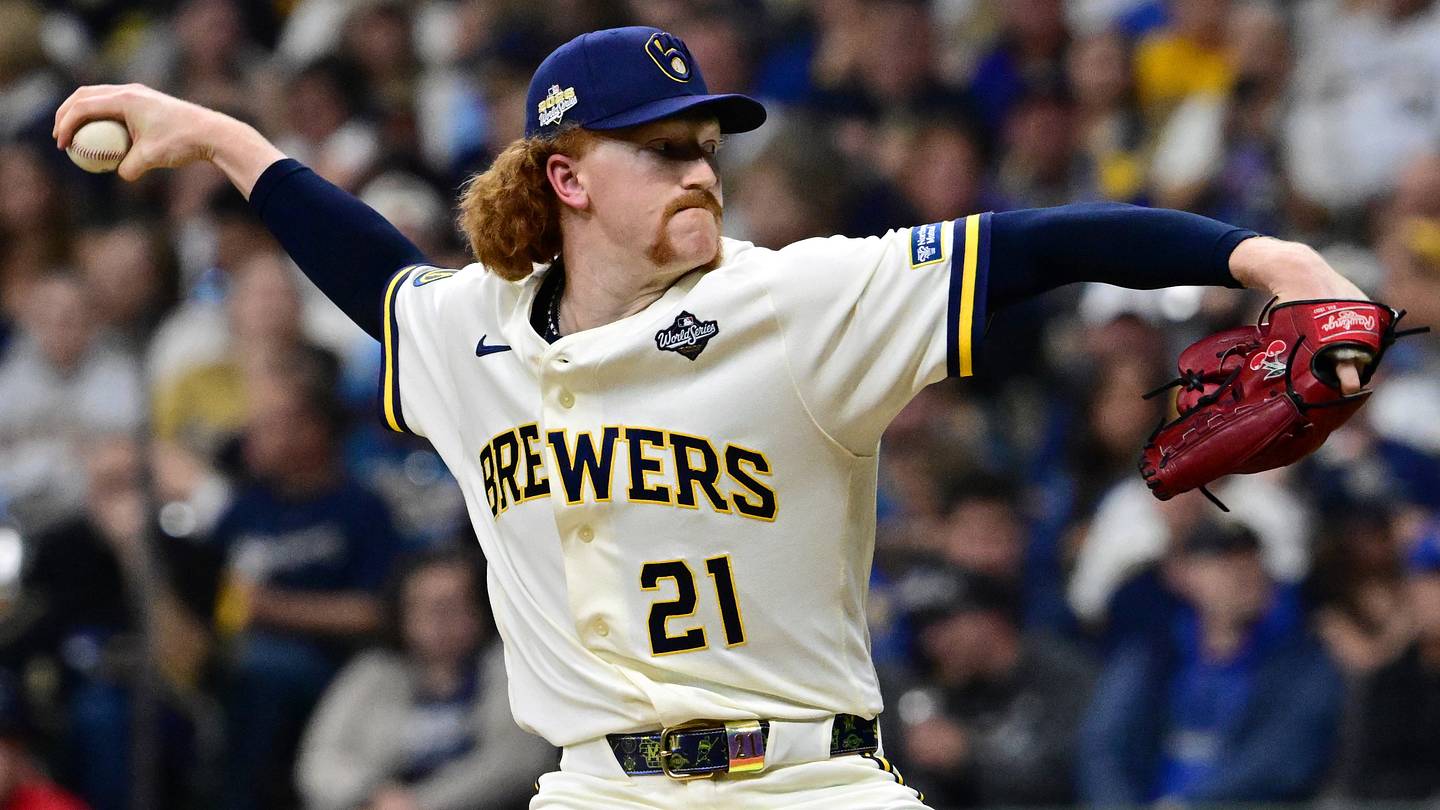
Brewers Validated: Letting Dustin May Walk to White Sox Was Smart Business
The Milwaukee Brewers watched their World Series starter sign a three-year, $52.5 million contract with the Chicago White...
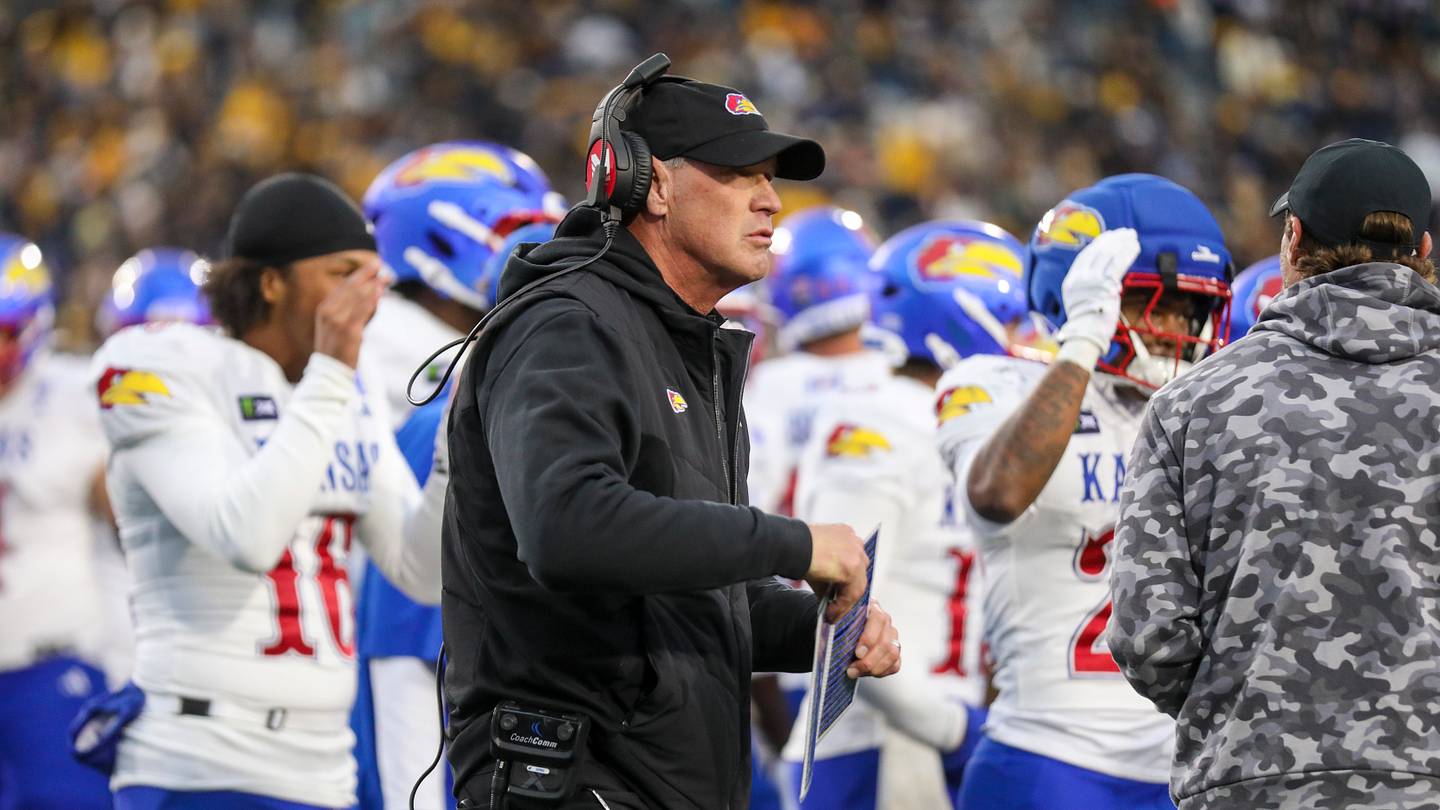
Kansas Stifles West Virginia Read Option With Hawk Tweak, Rushes for 296 Yards in 37-14 Win
Kansas stifled West Virginia's read option and rushed for 296 yards in a 37-14 win. "We kind of...