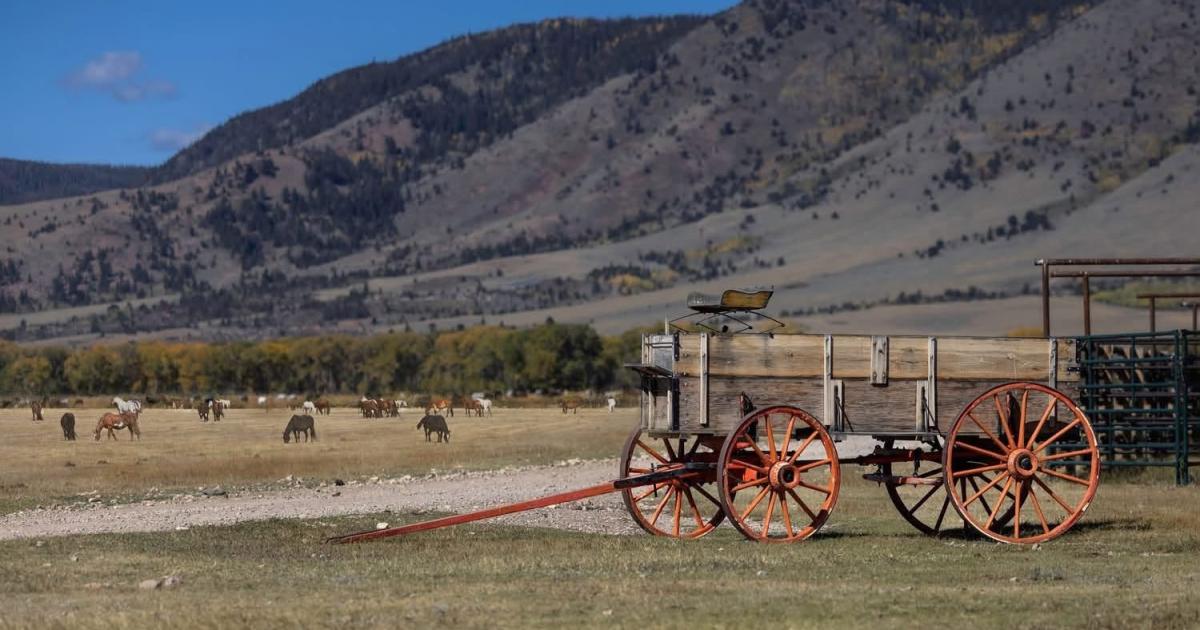
She drove up the dirt road to Deerwood Ranch on a Saturday in late September just to look, not to buy.
By the time the wagon tour circled back past the holding pens, she had signed papers for two burros.
That conversion — visitor to adopter in a single afternoon — is exactly what the Bureau of Land Management hopes to see when it opens the gates at the nation’s first BLM-certified wild horse ecosanctuary on private land. Nine animals found homes during the Open Ranch Day near Centennial, Wyoming: six burros and three horses. Roughly 450 people showed up.
“One woman who stood out was a first-time adopter who hadn’t planned on adopting that day,” said Kirren Leigh Seiler, a wild horse and burro program assistant at the BLM’s Wheatland Off-Range Corrals. “After spending time with the animals and talking with us, she decided to adopt two burros. It was wonderful to see that connection happen.”
The event changes how the BLM introduces the public to its Wild Horse and Burro Program. Instead of a sale-yard atmosphere, Deerwood offers a working ranch where more than 350 mustangs gathered from Wyoming’s public lands live out their days on 4,700 acres along the Middle Fork of the Little Laramie River. The Wilson family, who operate the ranch, later transitioned to a public off-range pasture, having opened in 2012.
“What makes Deerwood special is that people can visit a working ranch, see how the horses are cared for and spend time with adoptable horses and burros in a relaxed setting,” said Monica Mohr, a BLM wild horse and burro specialist who has worked with the program since 2015 and helped coordinate adoption events beginning in 2019.
“There’s no pressure on the visitors or the animals. It’s really about giving people the opportunity to learn and make those connections.”
Visitors rode wagons through pastures where older geldings graze under willows. BLM staff stationed at the adoption pens talked fence heights, shelter requirements, and the initial pen where the animal will stay.
“One of the biggest things we discuss with potential adopters is facility requirements, especially fencing, shelters and the initial pen where the animal will stay,” Seiler said. “People sometimes think we’re asking about their entire property, but we’re really focused on where the animal will be when it first comes home.”
Burros, frequently dismissed as pasture companions, drew second looks when staff mentioned they can be trained for hiking, packing, driving, and riding. Returning adopters brought previously adopted mustangs to show the progress — a previous wild horse adopter from Rocket G Ranch brought mustangs Pecos and Hank.
“We love seeing past adopters bring their animals back and share how far they’ve come with training,” Mohr said. “Hearing their stories and seeing what they’ve accomplished is always one of the highlights of these events.”
For the BLM, the open house serves a dual purpose: placing animals into private care and building public understanding of a program that manages wild horses and burros. The agency gathers animals from public lands, then offers them for adoption or provides long-term care at facilities like Deerwood.
The ranch’s history illustrates the evolution of that mission. Opened in 2012 as the nation’s first BLM-certified wild horse ecosanctuary on private land, Deerwood was designed to let the public see wild horses in a near-natural setting. Its shift to a public off-range pasture expanded capacity for long-term care while keeping the educational mission intact.
By the end of the day, the woman who came only to visit had adopted two burros. The approximately 4,700-acre ranch still provided long-term care for more than 350 wild mustangs. And the BLM staff packed up paperwork for nine adoptions — six burros and three horses.
To learn more about adopting a wild horse or burro, visit blm.gov/whb.
Related reading
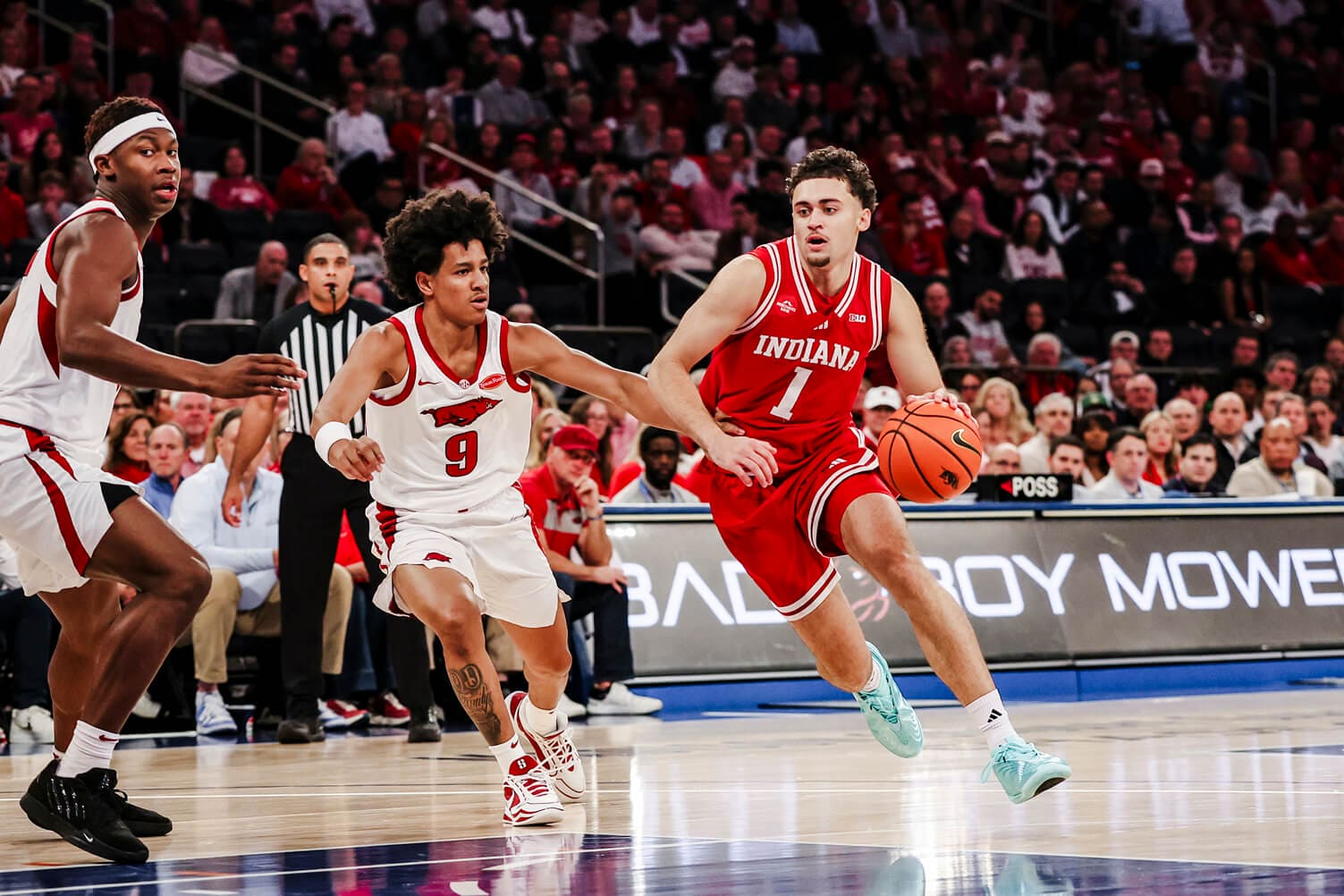
Indiana Rallies Past No. 20 Arkansas 81-76 at Madison Square Garden
Indiana rallied for an 81-76 victory over No. 20 Arkansas at Madison Square Garden on Tuesday night. On...

ASU Researchers Urge Arizona to Build Safety Net for Communities Facing Coal Plant Closures
When a coal plant shuts down in rural Arizona, the loss isn't measured only in megawatts — it...

Jawando Names Police Chief; 2017 Audit Flags Fraud Concerns
Montgomery County Executive-elect Will Jawando announced his choice for county police chief on Monday, naming Takoma Park Police...

ULA: Inadequate Fuel Supply Caused Vulcan Failure, Clears BE-4 Engines
United Launch Alliance lost its first mission in its history on Sunday, destroying 40 Amazon Leo satellites and...