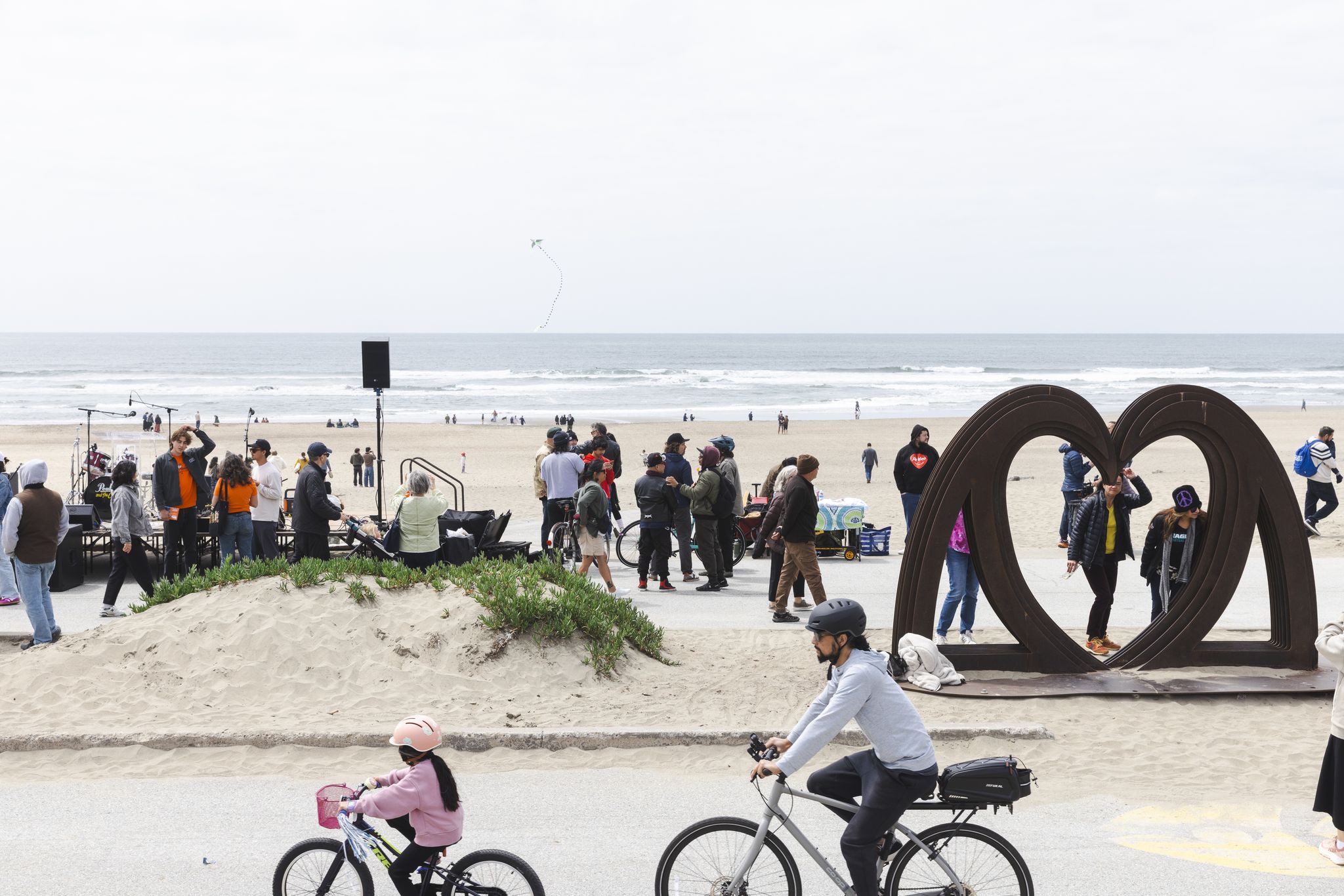
San Francisco voters in the Sunset and Richmond districts rejected Proposition G, preserving Sunset Dunes as a full-time park and reversing opposition to the same concept just two years earlier.
The shift is striking: in 2024, 64% of west side voters opposed Proposition K, which closed the Upper Great Highway to cars to create the park. This year, over 50% of voters in those same neighborhoods voted no on Prop G, choosing to keep the road closed, the San Francisco Chronicle reported.
Precinct data shows the strongest support for the park came from the blocks closest to Sunset Dunes — areas where residents drive the Great Highway most often and felt the disruption of its closure most acutely.
“The voices of nearby residents opposed to the park were, for many years, loud enough to drown out our voices,” said Eliza Panike, a volunteer with Outer Sunset Neighbors. “And still, we created a movement of neighbors from the Sunset and Richmond who saw things differently.”
“People are capable of changing their minds. West siders who voted no on Prop K and experienced the joy of Sunset Dunes became its biggest champions.”
— Eliza Panike
The turnaround did not happen in a vacuum. It began in October 2021, when the city briefly returned cars to the Great Highway after a pandemic-era closure. Neighbors responded by organizing the first Great Hauntway, a Halloween event that drew thousands of families to the empty roadway and demonstrated what a car-free coastal promenade could feel like.
That energy fueled the Yes on K campaign in 2024 and the No on G effort this year. Volunteers organized an annual July 4th parade, commissioned neighborhood-history art installations, built a community playground, and cultivated a stewardship culture for the fragile dune ecosystem.
The coalition expanded noticeably between the two campaigns. In 2024, much of the volunteer base came from younger activists and parents. This year, the effort became intergenerational, drawing longtime residents, new neighbors, young families, and retirees — many volunteering on a political campaign for the first time.
“These are people I likely never would have met if Sunset Dunes was still a road,” Panike said. “We come from different generations, backgrounds and corners of the west side, brought together by our love for our neighborhood park.”
The most pro-park precincts are now the ones adjacent to the park itself.
Panike drew a parallel to the Central Freeway, which west side residents once fought to keep. After it came down, Hayes Valley revitalized, and few now argue for its return.
With the park’s future settled, organizers are turning to what comes next: improving accessibility, strengthening transit connections to surrounding neighborhoods, and making nearby streets safer for all users.
“We can and should apply that same spirit of collaboration to the broader conversations about how the west side grows and adapts,” Panike said.
Related reading
- ULA: Inadequate Fuel Supply Caused Vulcan Failure, Clears BE-4 Engines
- BLM Deerwood Ranch Open House Leads to Nine Wild Horse and Burro Adoptions in Wyoming
- U.K. leader Andy Burnham says Brexit hasn’t worked ahead of a reset summit with the EU (newsarchyuk.com)
- Brazil Probes If JD Vance’s Rockbridge Network Aided Flávio Bolsonaro Campaign (world-today-news.com)
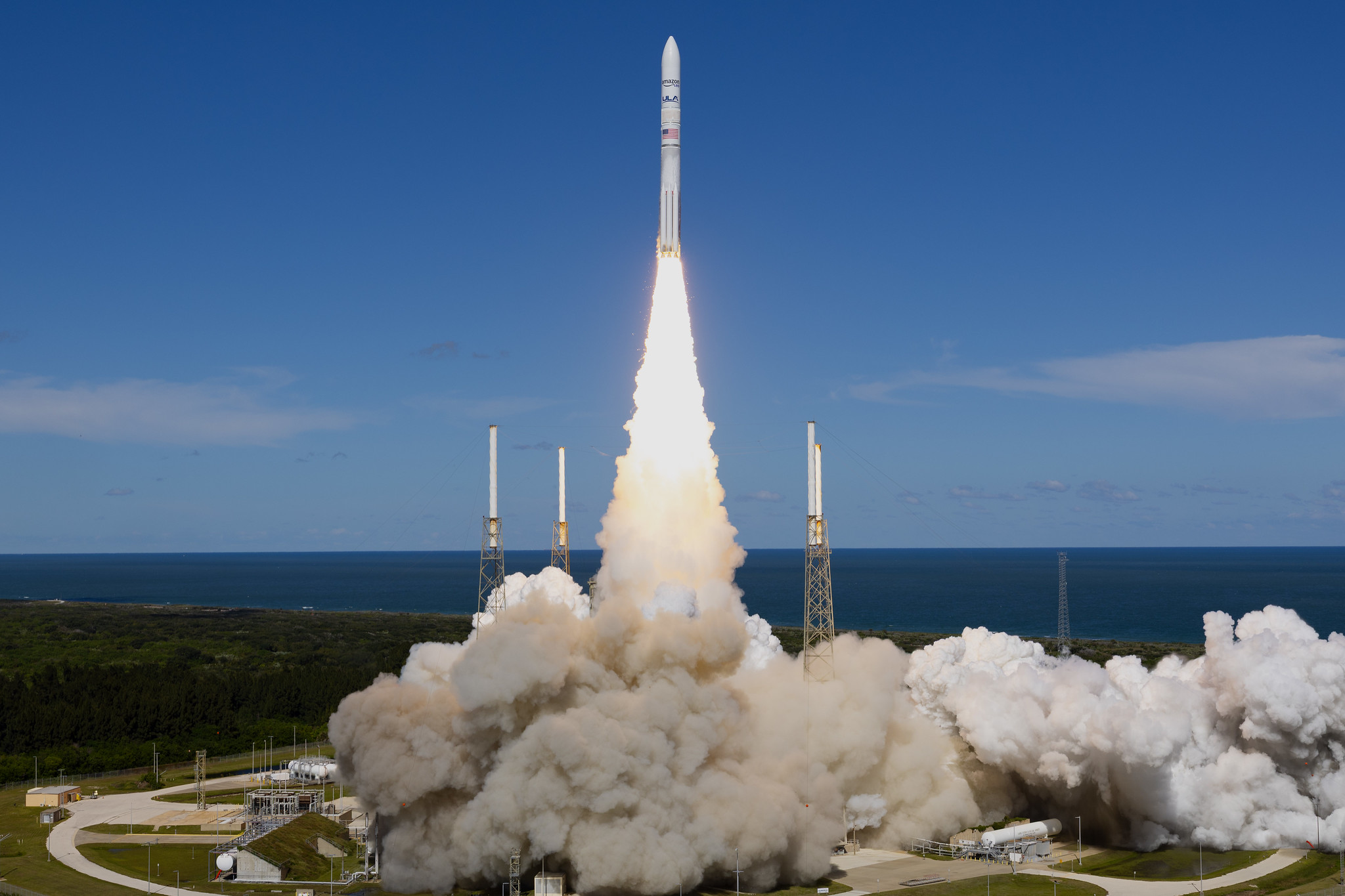
ULA: Inadequate Fuel Supply Caused Vulcan Failure, Clears BE-4 Engines
United Launch Alliance lost its first mission in its history on Sunday, destroying 40 Amazon Leo satellites and...
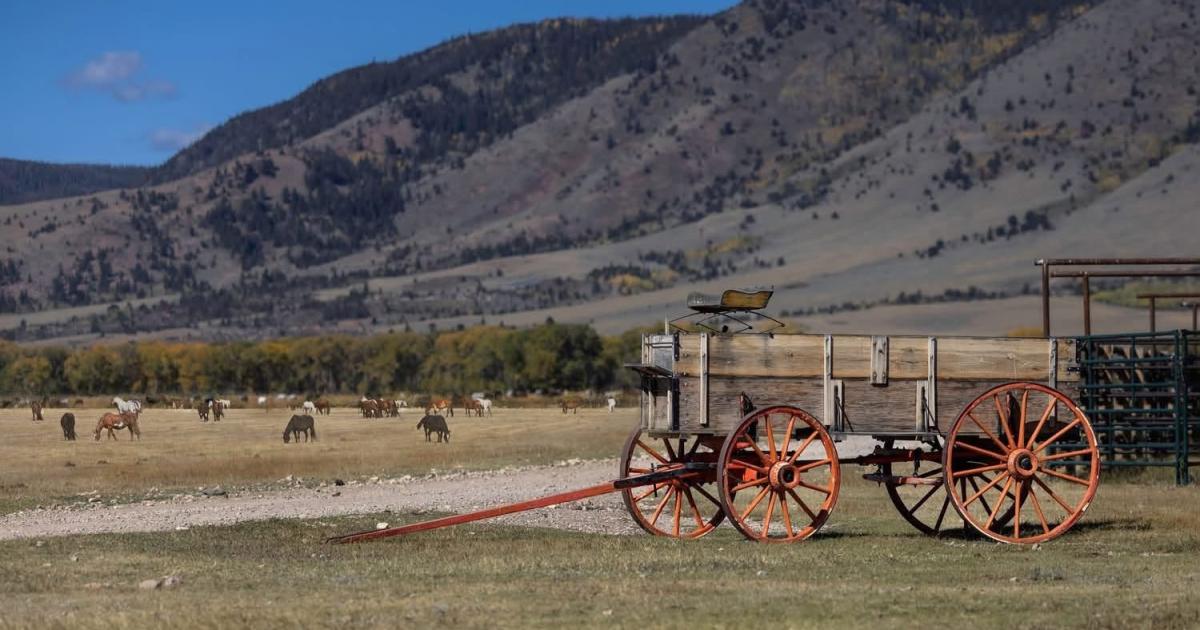
BLM Deerwood Ranch Open House Leads to Nine Wild Horse and Burro Adoptions in Wyoming
She drove up the dirt road to Deerwood Ranch on a Saturday in late September just to look,...
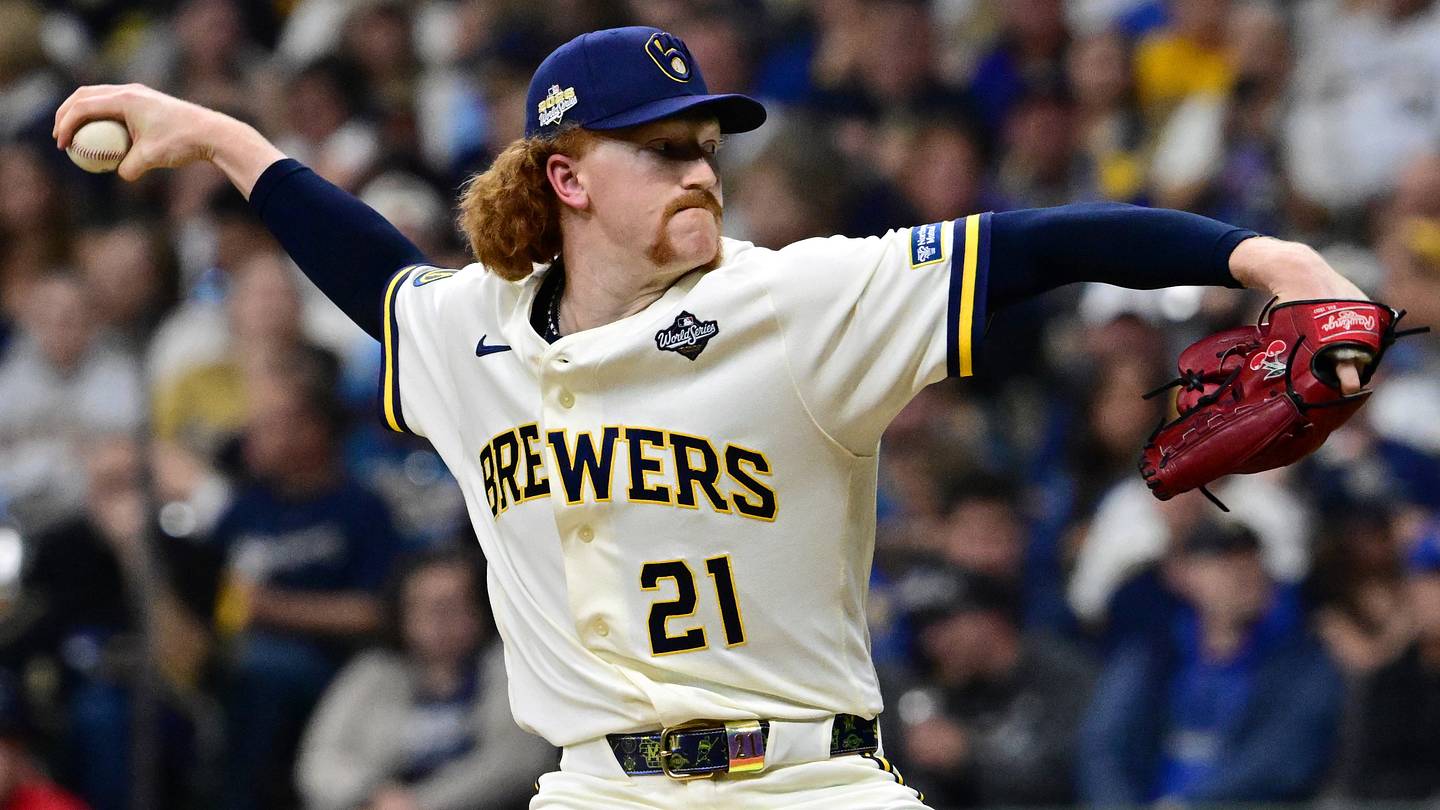
Brewers Validated: Letting Dustin May Walk to White Sox Was Smart Business
The Milwaukee Brewers watched their World Series starter sign a three-year, $52.5 million contract with the Chicago White...
Kansas Stifles West Virginia Read Option With Hawk Tweak, Rushes for 296 Yards in 37-14 Win
Kansas stifled West Virginia's read option and rushed for 296 yards in a 37-14 win. "We kind of...