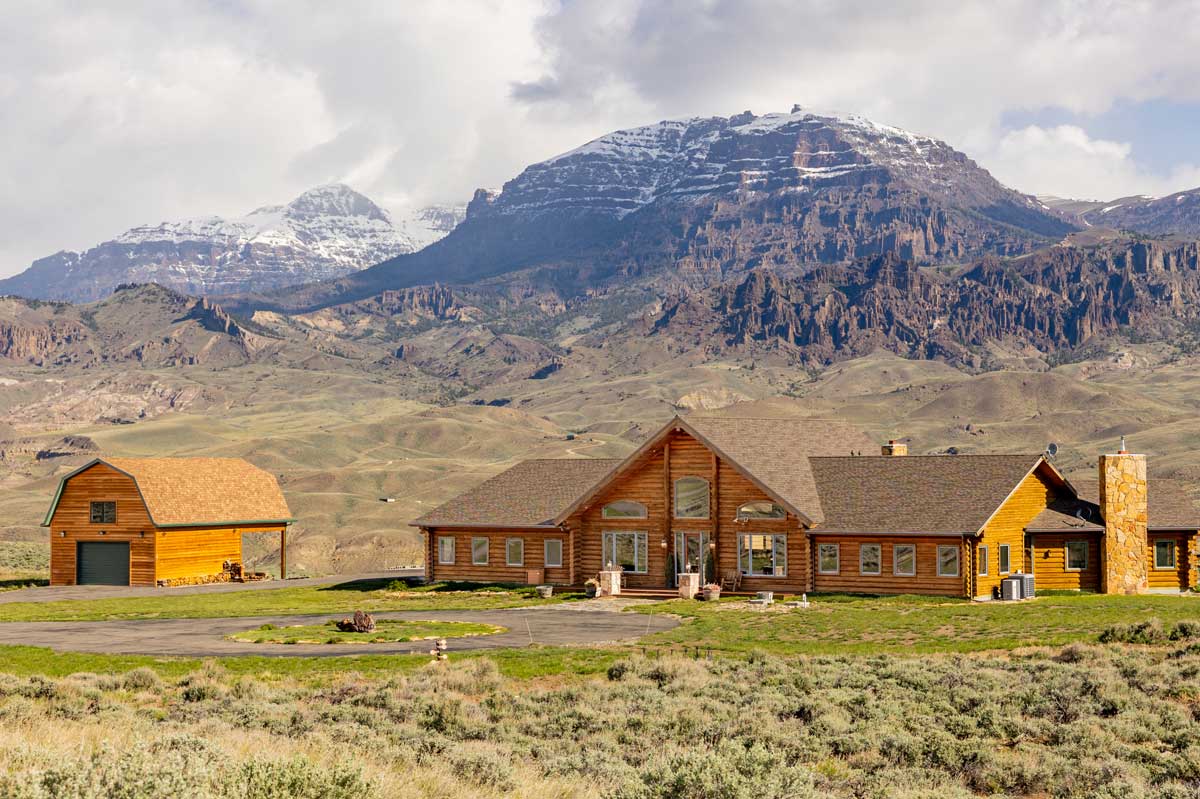
Buying a horse property in Park County involves much more than finding a home with a barn and a few acres.
While a listing might advertise ten or twenty acres, the total land area rarely tells the full story of whether the property can actually sustain horses. Before making an offer, potential buyers must look past the house to evaluate the land’s terrain, soil, and vegetation.
Steep ground, rocky outcroppings, and dense drainage channels can significantly reduce the amount of usable grazing space.
Because there is no universal formula for how many horses a specific acreage can support, carrying capacity depends entirely on local growing conditions and how an owner manages the pasture. Some properties may thrive during the summer months but require heavy supplemental hay feeding for the remainder of the year.
Inspecting Fencing and Structural Improvements
Fencing is often the most immediate expense a new owner faces. A perimeter that looks secure from the road often reveals sagging wire, leaning posts, or damaged corners upon closer inspection. Buyers should determine whether the property offers separate paddocks for grazing rotation, which simplifies herd management, or if the entire acreage is enclosed as a single, difficult-to-manage space.
The condition of outbuildings requires a similar level of scrutiny.
A barn should be evaluated based on the integrity of its foundation, roof, and electrical service rather than its aesthetic appeal. According to REV Real Estate, buyers should not assume that every structure on a property is permitted or legally convertible for different uses.
Before finalizing a purchase, it is essential to verify that existing facilities align with your specific daily routine and the number of horses you intend to keep.
Securing Reliable Water Access
Water is arguably the most critical component of a functional horse property, yet it is frequently misunderstood. A property featuring a stream or pond does not automatically grant the owner the right to use that water. In Wyoming, water rights are distinct property interests with specific terms and conditions that must be verified before closing. Buyers should consult the Wyoming State Engineer’s Office groundwater and water-rights information to understand exactly what is included in a sale.
Beyond legal rights, the physical distribution of water matters. A single source near the house is rarely practical if horses are kept in distant pastures. Winter conditions in Park County pose a unique challenge; exposed pipes and malfunctioning water heaters can turn a standard setup into a daily logistical failure. Reliable winter water access is a non-negotiable requirement for anyone keeping animals in this climate.
Planning for Wyoming Winters
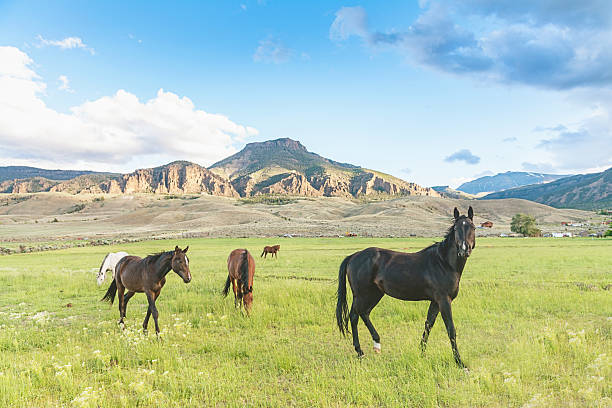
Cody’s winter environment dictates the functionality of a property for several months of the year. Snow, wind, and freezing temperatures affect everything from road access to the delivery of feed. Buyers should ask who is responsible for clearing snow on access roads and whether emergency vehicles, veterinarians, and hay trucks can realistically reach the property during a storm.
If a property becomes difficult to navigate once the snow falls, it may prove unsustainable for year-round horse ownership. It is also important to consider the logistics of hay storage. Feed must remain dry and secure, and the location must be accessible for heavy delivery vehicles that need space to turn around without damaging fencing or getting stuck in mud.
Park County is defined by its vast natural landscape, encompassing over 53 percent of Yellowstone National Park and a significant portion of the Shoshone National Forest, which holds the distinction of being the first national forest.
Named for the national park that lies largely within its borders, the county covers 6,967 square miles. Much of this land remains under state or federal control, shaping the rural character and development potential of the region.
Verify Zoning Rules for Intended Horse Use
Not every piece of rural land is zoned for the same level of activity. Buyers who intend to operate a boarding stable, training facility, or riding business face different hurdles than those keeping a few horses for personal use. Jurisdiction plays a major role, as properties within the City of Cody are subject to different rules than those in unincorporated Park County.
Prospective owners should review the Park County Planning and Zoning regulations to ensure their intended use is permitted. For those planning commercial operations, the permit and application information provided by the county serves as a starting point for understanding the necessary approvals.
A property that works perfectly for a hobbyist might not meet the requirements for a commercial facility, and assuming otherwise can lead to significant financial and legal complications after the sale.

Worth a look

Nuggets Overcome 17-Point Deficit, Beat Celtics 105-101 on Murray Free Throw, Tatum Technical
Denver scored the final five points to overcome a 17-point deficit and beat Boston 105-101. The loss snapped...

Kansas Highway Patrol Superintendent Urges Lawmakers to Regulate License Plate Readers
The superintendent of the Kansas Highway Patrol wants state lawmakers to regulate automated license plate readers during the...

Alaska Finishes Ballot Count, Peltola Beats Sullivan 50.1% to 45.8%
Alaska finished counting its outstanding ballots Wednesday evening, confirming Democrat Mary Peltola's victory over Republican Senator Dan Sullivan...

Ellington Man Pleads Guilty to Fentanyl Trafficking, Gun Charges
"He drove away at a high rate of speed after witnessing the traffic stop," federal officials said. Jose...