Geordin Hill-Lewis was officially sworn in for a second five-year term as the mayor of Cape Town on Thursday.
The inauguration followed the Democratic Alliance’s (DA) decisive performance in the local government elections held on November 4, where the party secured an outright majority in the city council.
The council session, held at the Civic Centre, saw Hill-Lewis receive 131 votes to retain his mayoral chain. This result cements the DA’s control over the metro, with the party holding 133 of the 235 council seats—a clear margin above the 118 seats required for a majority. The African National Congress finished in second place with 33 seats, followed by the Patriotic Alliance and the Economic Freedom Fighters, each holding nine.
It’s a honour to be re-elected as the Mayor of Cape Town 🇿🇦 Let’s take Cape Town forward for all 💙 pic.twitter.com/oPX01EGTjh
Addressing the council after his inauguration, Hill-Lewis emphasized the weight of the mandate he has been given by the electorate. “This is a vote of confidence. But I know it is also a vote of expectation. And we must honour both,” he said.
He also offered to work with opposition parties, saying that while lively debate is part of the council, every member has a shared duty to serve the people of Cape Town.
A Five-Point Plan for the 2026–2031 Term
The mayor’s agenda for the next five years hinges on a specific set of priorities: stronger policing, accelerated job creation, reliable service delivery, affordable housing, and cleaner public spaces. Hill-Lewis identified these areas as the pillars of his administration’s commitment to improving the quality of life for all Capetonians, highlighting the DA’s gains in townships like Khayelitsha and Gugulethu where residents voted for the party.
Congratulations to @geordinhl on being re-elected as Mayor of Cape Town.👏👏👏 The Western Cape Government and the @CityofCT work side by side every day for the residents of this metro, and I look forward to continuing that with the Mayor and his team over the term ahead. Keep… pic.twitter.com/y4xO7Am5sP
Public safety remains a central point of contention between the City and national authorities. Hill-Lewis said that the administration intends to move forward with plans to recruit and train its own detective unit and invest in advanced safety technology.
“Because we can no longer count on SAPS to ensure the safety of Capetonians, we will continue to build our own City police resources into a crime-busting force that can do so,” he said. The mayor argued that safety is the necessary foundation for any economic growth to take root.
“Every family deserves to feel safe in their own neighbourhood. Every parent deserves to send a child to school without fear. Safety is not a luxury. It is the foundation on which opportunity is built, Hill-Lewis said, as reported by TimesLIVE.”
Hill-Lewis Cites 420,000 Jobs Created During Term
On the economic front, Hill-Lewis claimed that 420,000 people in Cape Town moved out of unemployment during his previous term, a figure he noted was equivalent to the job creation numbers of all other South African cities combined. “Everything we do must help create the conditions for meaningfully faster economic growth, so that more Capetonians can be lifted out of poverty,” Mayor Geordin Hill-Lewis said.

Urban migration continues to be a major challenge. While the city’s status as a “beacon of hope” is a point of strength, it places considerable strain on municipal resources, particularly regarding housing.
The administration plans to release more municipal land for development and upgrade informal settlements to provide more dignified living conditions. The mayor confirmed that the city would continue to invest in essential infrastructure, including water, sanitation, and electricity networks, to prevent the kind of service decline seen in other municipalities.
Born in 1986 in Plettenberg Bay, Geordin Hill-Lewis began his political involvement during his high school years and later founded the Democratic Alliance Students’ Organisation while at the University of Cape Town.
In 2011, he entered the National Assembly at age twenty-four, becoming the youngest member of parliament since 1994. Before transitioning to local government, he served over a decade in the national legislature, holding several shadow cabinet roles including Shadow Minister of Finance.
The inaugural council meeting also saw the election of Felicity Purchase as Speaker and Xanthea Limberg as Deputy Mayor, both receiving 131 votes. As the city moves into this sixth-term council, the administration faces the task of balancing high public expectations with the logistical demands of a growing population.
Hill-Lewis concluded his address by framing the upcoming term as a continuation of the work started five years ago, asserting that effective local government can prevent the decline of urban centers.
💙 Mayor Geordin Hill-Lewis has addressed the first City of Cape Town council meeting! “Our ambition must never be to remain the only city in South Africa that works.” Geordin Hill-Lewis 🏘️ The DA is determined to get South Africa's towns and cities working for all. 🚦🚰 Cape… pic.twitter.com/ixnL5jCivu
More on Geordin Hill
💙Five more years to take Cape Town forward for All! Thank you to every resident for the renewed mandate and trust. Geordin Hill-Lewis has been re-elected as Executive Mayor, with another five years to continue building a City of Hope. The work continues. Let’s take Cape Town… pic.twitter.com/Nql1jsuwkL
Worth a look

Why Cold Weather Worsens Joint Pain and How to Find Relief
Falling temperatures and shifting atmospheric pressure can worsen arthritis pain and joint stiffness as winter weather sets in...

WHO Issues First Adult Type 1 Diabetes Guidelines to Address Global Access Inequities
More than a century after the discovery of insulin, an estimated 9.5 million people worldwide were living with...

Long Sleep Tied to 50% Higher Mortality Risk in Adults With Heart Disease
Adults diagnosed with heart disease who sleep nine hours or more each day face a roughly 50% higher...
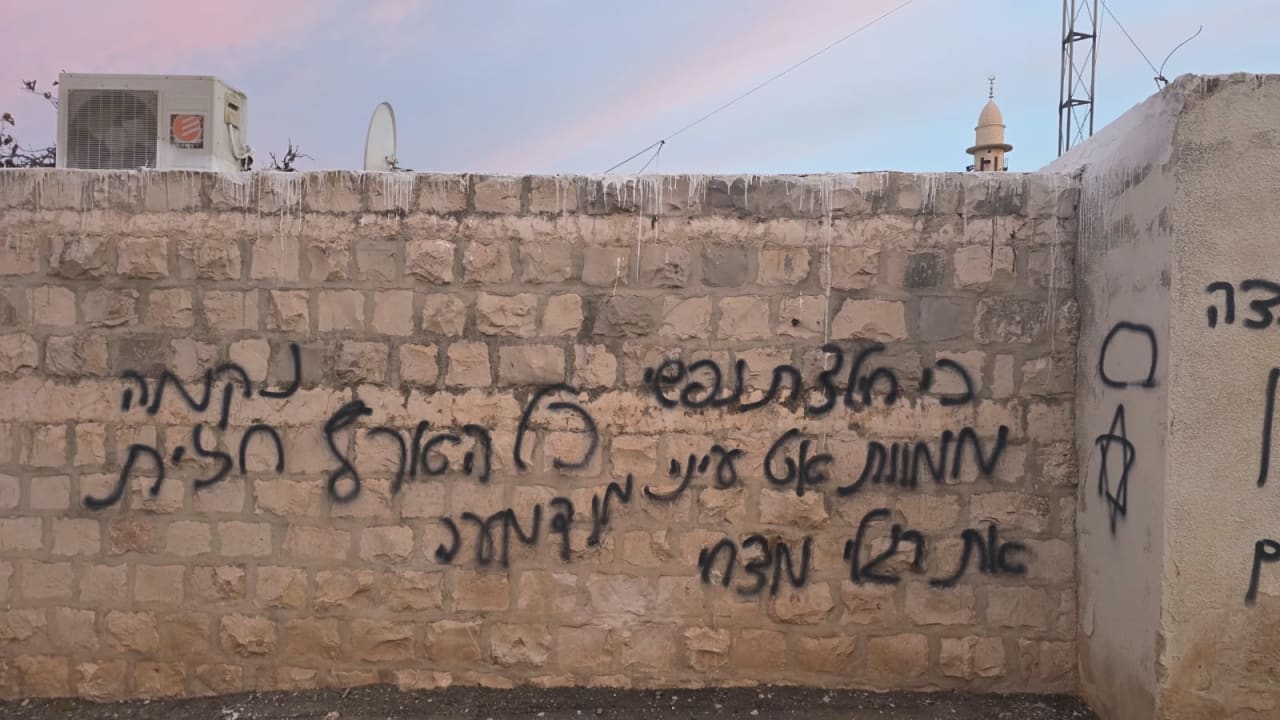
Mosque Set Ablaze in Northern Israel; Arab Lawmakers Blame Netanyahu Incitement
Three masked individuals threw a Molotov cocktail inside a mosque in northern Israel early Thursday, leaving the building...