
Southern California Voters Decide Long Ballots as Midterms Close
The final stretch of voting in the 2026 midterm elections is here, and long ballots across Southern California signal high stakes at the close of the season. When polls close Tuesday at 8 p.m., voters will wrap up a cycle defined by a settled-down gubernatorial matchup alongside more than a dozen measures that could alter state taxation, election administration, and housing assistance programs. Late votes will determine the final tallies in the coming days.
At the top of the ticket, the gubernatorial race between former U.S. Health and Human Services Secretary Xavier Becerra and former Fox News commentator Steve Hilton guarantees a historic outcome. Should the Democrat win, Becerra would become the first elected Latino governor in California’s history. He would be the first to serve since Romualdo Pacheco, who took over the office in 1875 after then-Gov. Newton Booth resigned to take a U.S. Senate seat. Meanwhile, Hilton enters the contest as a Republican striving to become the third foreign-born governor since California officially became a U.S. state, following John Downey, who served from 1860-1862 and was born in Ireland, and Arnold Schwarzenegger, who served from 2003-2011 and was born in Austria.
New – Governor Poll – California 🔵 Becerra 55%🔴 Hilton 37%Berkeley institute #B/ LV / 8/9 pic.twitter.com/VuOU2Ango0
Both candidates spent their final campaign days barnstorming Southern California. Becerra rallied supporters Sunday in Orange County alongside Gov. Gavin Newsom and Rep. Dave Min, followed by a Los Angeles event featuring Newsom, U.S. Sens. Alex Padilla and Adam Schiff, and former Vice President Kamala Harris. Hilton held an event along the Pacific Coast Highway to emphasize his recovery proposals for the Pacific Palisades following the 2025 wildfires. Election night finds Hilton stationed in Garden Grove, while Becerra gathers with his team in Sacramento.
The Billionaire Tax Battle and Competing Measures
Voters face a first-in-the-nation proposal to levy a one-time tax on billionaires that has sharply divided the Democratic Party. Proposition 40 asks voters to approve a 5% tax on individuals with a net worth exceeding $1 billion, aimed at offsetting federal healthcare funding cuts. The ideological alignment on this question defies traditional party lines. Gov. Gavin Newsom, California’s Planned Parenthood affiliates, and the state Republican Party find themselves opposing the measure. Supporters include the California Democratic Party, SEIU-United Healthcare Workers West, and Sen. Bernie Sanders, I-Vermont. Sen. Bernie Sanders.
Proponents argue the revenue is urgently needed and emphasize that the levy represents a single occurrence. Opponents contend the tax will drive ultra-wealthy residents—and the substantial income tax revenue they supply—out of the state.
The policy battle does not end with Proposition 40. Two competing measures on the ballot could invalidate the billionaire tax entirely if they secure more “yes” votes. Proposition 41 mandates a pre-election audit for programs funded by voter-approved special taxes and institutes recurring audits for taxes enacted after January 1, 2026, while also preventing special taxes from being exempt from the state spending cap. Proposition 42 prohibits taxes enacted after January 1, 2026, from targeting retirement holdings, individually owned assets, and personal savings. Nearly $400 million has been spent across the three competing campaigns.
Redistricting Reshuffles the Congressional Landscape
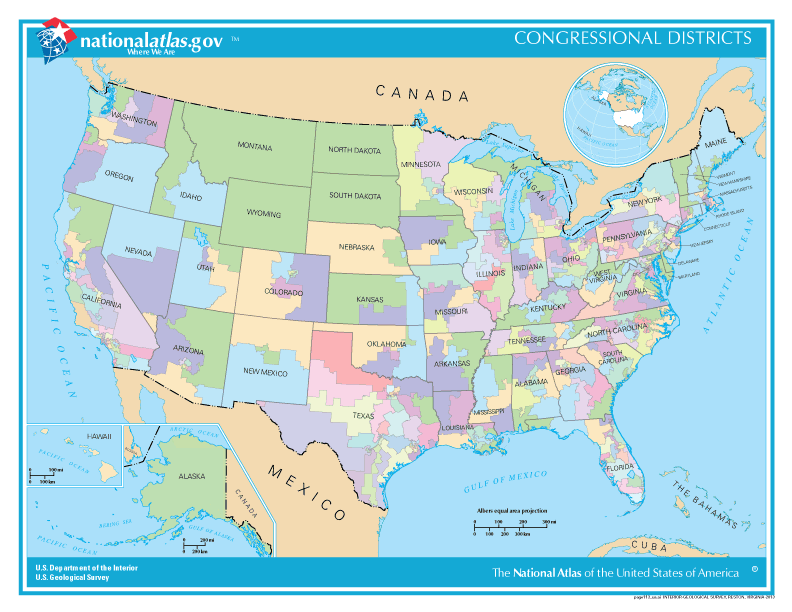
While June’s primary marked the first contest under California’s new congressional districts following last year’s voter-approved redistricting plan, this general election offers the first true test of how the state’s congressional map functions in practice. The plan aimed to make several House seats across the state more easily winnable for Democrats.
Orange County’s representation expanded from six lawmakers to eight, creating a new district along the border of Los Angeles and Orange counties. The redrawn map also shifted the political balance in several regional contests. California’s 48th Congressional District, spanning Riverside and San Diego counties, shifted from a relatively Republican district to leaning in favor of Democrats after absorbing deep-blue Palm Springs, according to the Cook Political Report.
At the same time, California’s 40th Congressional District in Orange and Riverside counties features a volatile matchup between two Republican incumbents, Ken Calvert and Young Kim, brought together by redistricting. National control of the House may not hinge on this particular race, but local communities know a Republican will represent them regardless of the final margin.
Keep reading

Two 2028 Prospects Praise Arkansas Hospitality During Visit
Knoxville Prospect Keagan Covington Evaluates Arkansas Hospitality During Missouri Game “The town around Fayetteville is so great, even...

Alaska Voters Shrug Off Senate Election Scandal Amid Decoy Candidate Controversy
Anchorage Ballots Cast Under the Cloud of a Decoy Candidate Scheme Voters braved near-freezing temperatures in Anchorage on...

One Dead, One Arrested After Fatal Shooting Following Fight in Casa Grande
Casa Grande Police Investigate Fatal Shooting Following Altercation on East Florence Boulevard A fight that began outside a...

Huntsville’s restaurant and retail businesses are changing yet again
Huntsville Welcomes First Syrian Cafe Amid a Wave of Ten New Openings and Two Closings Huntsville’s restaurant and...