
On the edge of Belfast city, Jonathan Anderson leads Northern Ireland’s last remaining all-boys boarding school through a changing educational landscape.
The headmaster of Campbell College spoke about toxic masculinity during a visit detailed by The Irish Times, noting that the institution approaches the topic openly rather than dodging it.
“There is a perception that all-boys schools are dominated by alpha males, but I think it’s the opposite,” Anderson told The Irish Times. “In an all-boys school, boys have a safe psychological space to learn how to be young men without the pressures of coeducational school.”
Founded in 1894 by Ulster Scots linen merchant Henry James Campbell, the Victorian redbrick campus spans 100 acres of woodland. The senior school currently serves about 950 students aged 11 through 18, with approximately 100 functioning as boarders.
The sprawling grounds house extensive athletic infrastructure, including 11 rugby pitches, two soccer pitches, two AstroTurf hockey pitches, a climbing wall, two sports halls, and a large new gym. Since 2024, the Irish Football Association has based its youth academy at the school.
Academic offerings encompass 28 A-level subjects. The school maintains a collaborative arrangement with Strathearn girls’ grammar school, allowing female students to travel to Campbell College for German while male students attend Strathearn for psychology and media studies.
The remaining boarders hail from the European mainland, Asia, South Africa, the Cayman Islands, and Canada.
Bert Robinson said that boarder numbers dipped from a high of 150 during the 2024-2025 period. However, Anderson emphasized that the school’s tuition rates remain lower than equivalent facilities in Scotland and England.
Current boarding fees stand at £26,070 for UK/Ireland boarders, £30,174 for EU citizens and £36,570 for others. Unlike private schools in England and Scotland, teachers’ salaries at Campbell College are paid by the Northern Ireland Education Authority.
For international pupils, the transition to Belfast brings distinct cultural shifts alongside language and academic adjustments.
Related reading

Leaders Pay Tribute to DUP Figure Following Family Tragedy
"There are no words that can ease the pain of such an unimaginable loss," DUP leader Gavin Robinson...

Over 5,000 Guests Attend Made in Russia International Export Forum
Russia is recalibrating its industrial strategy, moving away from a traditional reliance on raw materials toward a model...
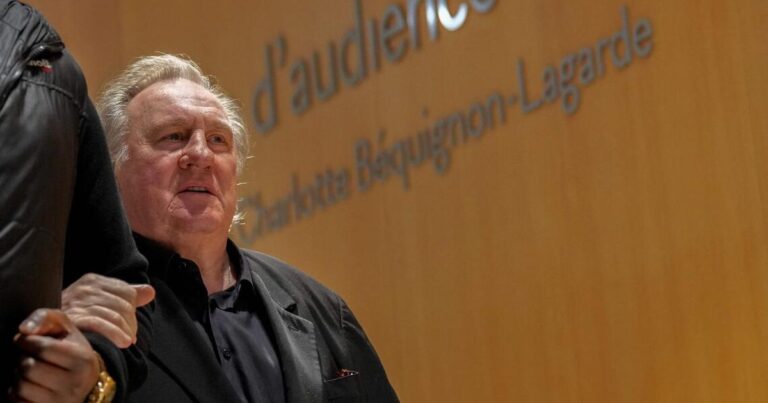
Gérard Depardieu Drops Appeal Against Sexual Assault Conviction
French actor Gérard Depardieu abruptly dropped his legal challenge against a sexual assault conviction on Monday accepting his...
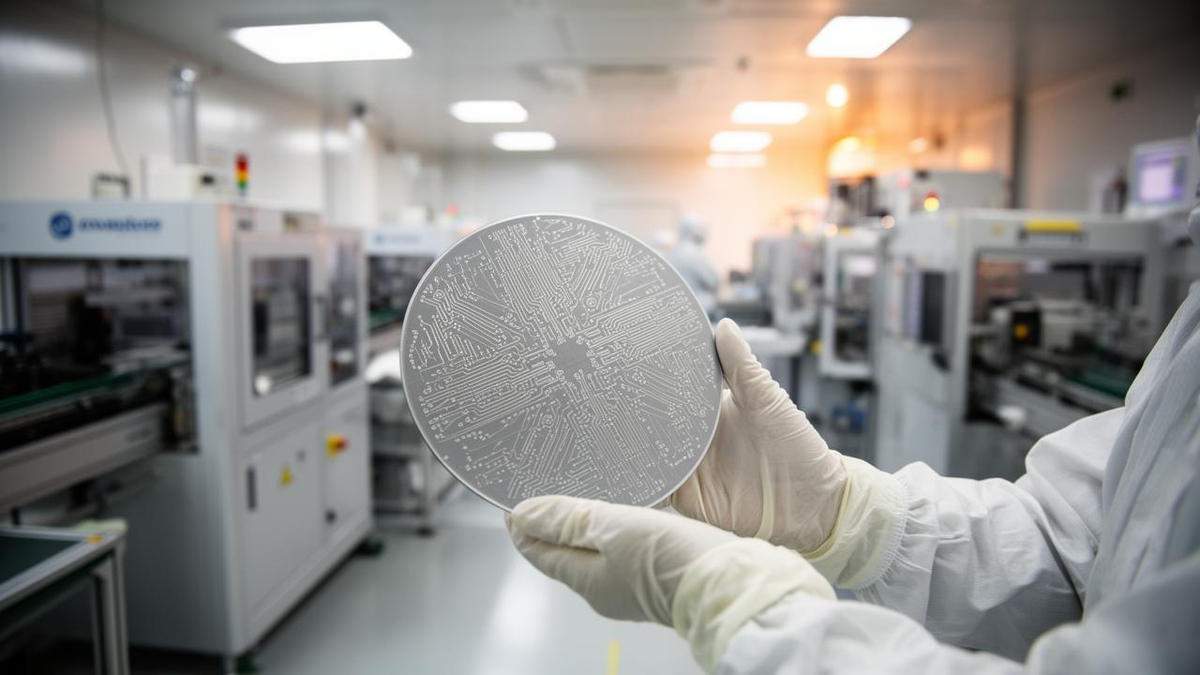
Southeast Asia Plans Coordinated Chip Production, Targeting $55 Billion Market – BigGo Finance
Southeast Asia is moving to consolidate its role in the global semiconductor hierarchy, shifting away from fragmented national...