
Idaho Cattle Outpaces Milk in 2025 Farm Revenue Shift
For more than two decades, milk reigned supreme as Idaho’s most lucrative agricultural commodity. That long-standing dominance shifted in 2025, when the cattle and calves sector nudged past the dairy industry to claim the top spot in farm-gate revenue by a whisker.
The numbers, confirmed by a September 3 federal release, show the stakes of a changing agricultural economy. Idaho’s cattle and calves sector brought in a total of $3.878 billion in cash receipts in 2025. The state’s milk sector followed closely behind, recording $3.827 billion in farm cash receipts. While milk revenue dipped only slightly compared to the previous year, cattle receipts jumped 17 percent, climbing from $3.3 billion in 2024 to $3.88 billion in 2025.
Most of that financial leap comes down to record cattle prices, though the University of Idaho noted in a January report titled “Financial Condition of Idaho Agriculture: 2025” that the ever-increasing quality of beef originating from the dairy sector also played a measurable role. Even so, the university’s researchers expect the crown to change hands again shortly. Revenues from milk production are projected to reclaim the highest spot among Idaho agricultural commodities in 2026 or 2027.
Crop Sector Realities and Livestock Growth Across the State
Beyond the tight race at the very top, the broader divide between livestock and crops defined the state’s 2025 agricultural output. Idaho’s livestock industry—including eggs, hogs, honey, wool, and trout—brought in $8.12 billion in farm cash receipts in 2025. That marked an 8 percent increase over the $7.52 billion recorded in 2024. The crop sector moved in the opposite direction, with total cash receipts dropping 10 percent to $3.83 billion down from $4.26 billion the year prior.
Potatoes maintained their position as Idaho’s No. 3 agricultural commodity overall and the undisputed leader among crops. They brought in $1.07 billion in cash receipts in 2025, though that figure represents an 11 percent decline from $1.2 billion in 2024 and a 20 percent drop from $1.34 billion in 2023. Wheat secured the No. 4 spot with $518 million in total cash receipts, down 15 percent year-over-year. Sugar beets followed at $460 million, marking a modest 2 percent decrease.
Further down the state’s top ten list, production values shifted across nearly every category:
- Hay: No. 6 at $358 million, down 9 percent from 2024.
- Barley: No. 7 at $288 million, down 24 percent.
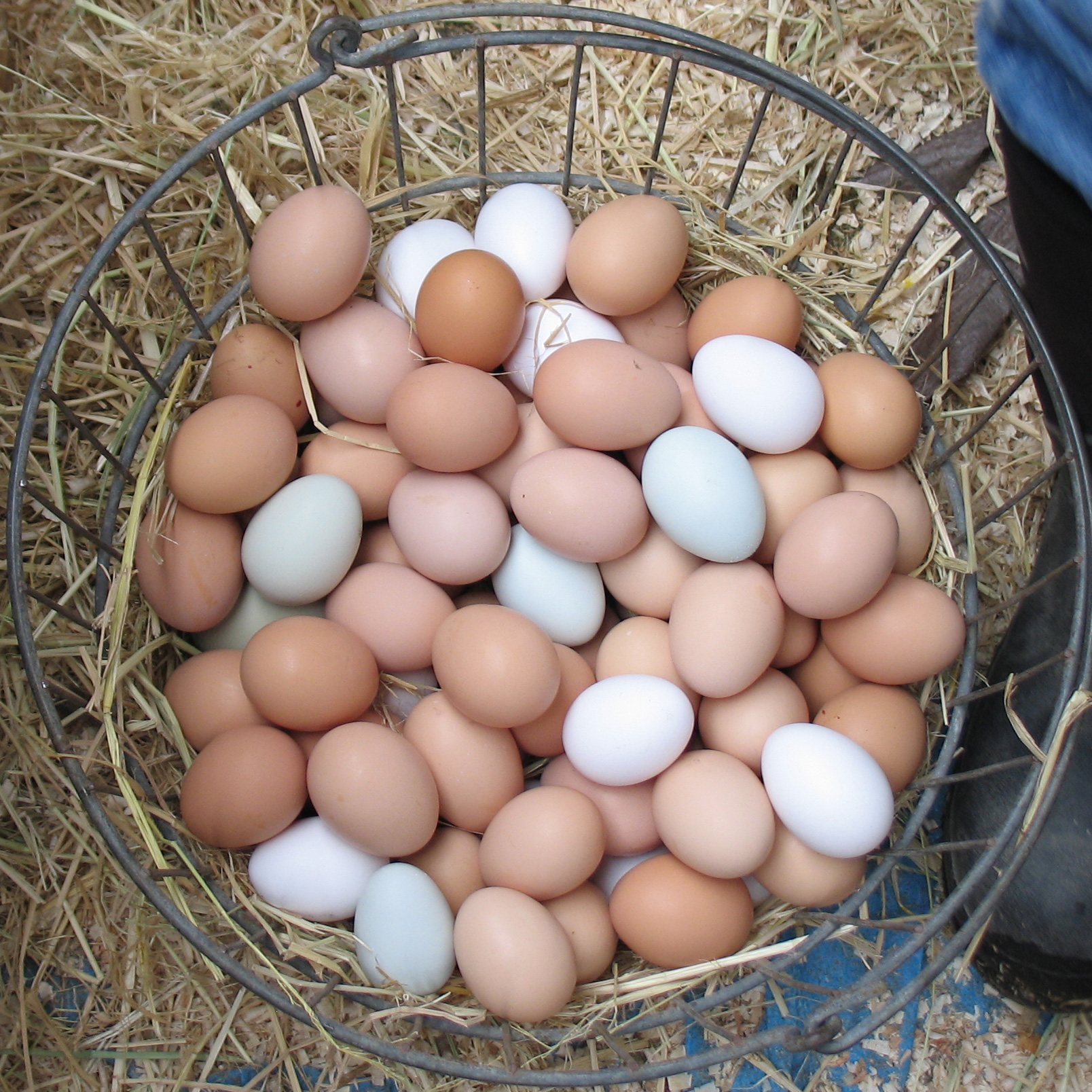
- Chicken Eggs: No. 8 at $192 million, up 54 percent from $125 million.
- Onions: No. 9 at $176 million, down 27 percent.
- Corn: No. 10 at $131 million, down 4 percent.
Additional commodities contributed smaller totals, including dry beans at $94 million, hogs at $75 million, hops at $63 million, trout at $43 million, floriculture at $31 million, mint at $28 million, and canola at $26 million. While Idaho produces a notable amount of fruit, federal agricultural estimators did not calculate a cash receipt total for the sector due to insufficient data.
When combining crops and livestock, Idaho farmers and ranchers brought in a total gross revenue of $11.95 billion in farm cash receipts in 2025, representing a 1.5 percent increase from $11.77 billion in 2024. That figure measures gross income rather than what producers actually take home. Intermediate product expenses, covering essential operating costs like feed, seed, livestock purchases, fuel, and electricity, totaled $6.9 billion in 2025, while total payments to stakeholders for hired labor, rent, and interest reached $2.2 billion.
Worth a look

Cal Poly Football Suffers 61-7 Loss Against No. 3 Montana State
Mustang Defenseless as No. 3 Montana State Routs Cal Poly 61-7 Saturday afternoon in Bozeman proved to be...

Turnovers and Penalties Sink Arkansas in 34-10 Loss to Missouri
Razorbacks Fall to Tigers as Turnovers and Penalties Sink Fayetteville Showdown Saturday night at Reynolds Razorback Stadium yielded...

Author reflects on faith and sobriety via communion of saints
Faith, Recovery, and the Communion of Saints in a New Essay In a recent personal essay published by...

Juan Atkins, Pioneering Detroit Techno Legend, Has Died at 64
Juan Atkins, Architect of Detroit Techno, Dies at 64 Juan Atkins, the pioneering Detroit musician and DJ who...