
The Census 2027 self-enumeration portal dropped a drop-down menu listing 287 “other” religions — including ISKCON, Shia, Sunni, and sects never before recorded — within hours of launching on Monday for four poll-bound states.
The reversal, first reported by The Hindu, has turned the first digital census in independent India into an immediate flashpoint over data integrity. The portal went live on November 16 for Uttar Pradesh, Goa, Punjab, and Uttarakhand — states where Assembly terms end by May 2027 — and the expanded religion list appeared as a selectable menu rather than the traditional write-in field.
By the time The Hindu queried the Union Home Ministry, the drop-down had vanished, replaced by a predictive-text field offering just 76 suggestions drawn largely from 2011 Census write-in data for Scheduled Tribe faiths such as Sarna, Doni Polo, and Birsa.
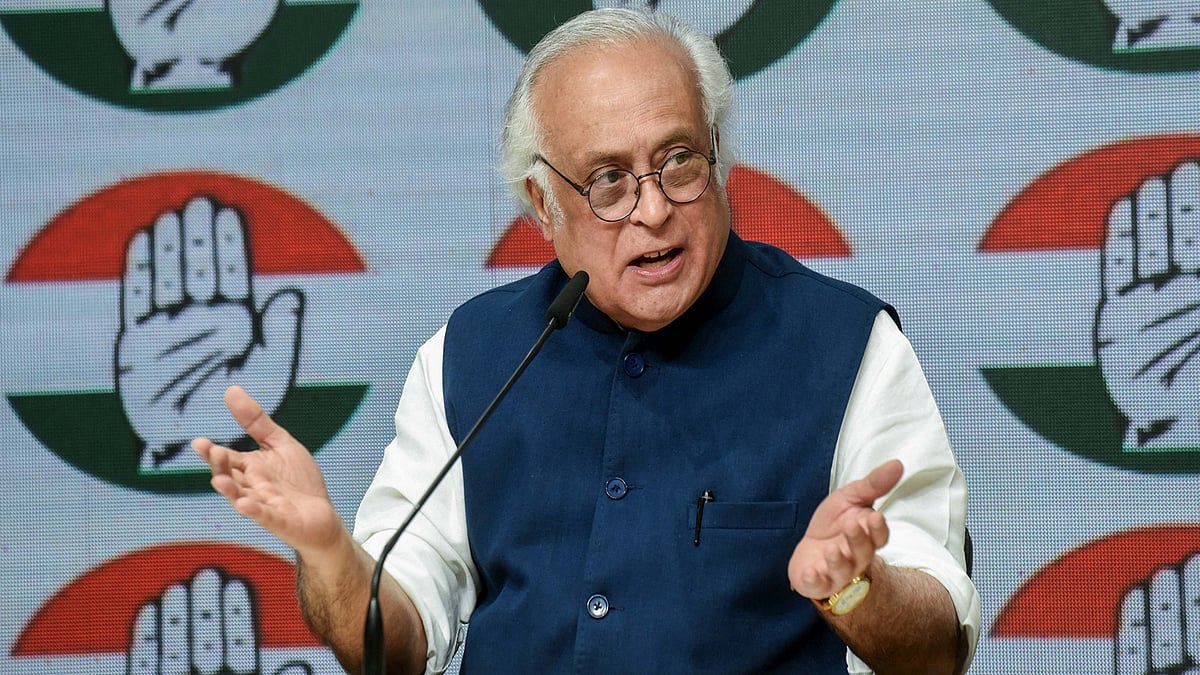
“This is bizarre and defies any understanding,” Congress general secretary Jairam Ramesh posted on X on Tuesday, sharing the report. “And where the drop-down menu should be provided, for instance, for castes other than scheduled castes and scheduled tribes, it is not. Census 2027 is turning out to be a farce in many respects. This will have grave implications,” said Ramesh, Congress leader.
The list that appeared and disappeared
When the portal opened on Monday, the “Other” religion category displayed a scrollable menu of 287 entries. The Hindu’s examination found the list mixed established denominations — Methodist, Pentecostal, Sufi — with sects historically classified within the six major religions (Hindu, Muslim, Christian, Sikh, Jain, Buddhist) and names that had never appeared in any previous census record.
Among the latter: ISKCON, Ramakrishna Paramahamsa, Gorak Nath, Sanatan, Shri Ram, Shri Krishna, Tirupati Balaji, Ramdev, Khalsa, Basaveshwara, Devi Maa, and Dev Samaj.
Predictive text or policy shift?
The government offered two explanations in quick succession. A representative of the Office of the Registrar General and Census Commissioner told The Hindu it would be “incorrect” to say the terms were shown as separate religions, insisting respondents remain “free to write any other religion as in previous censuses.”
A separate government official then said the 287 names were compiled as “predictive text entries” to reduce spelling variations — citing ISKCON as an example where auto-complete would prevent recording errors.
But officials did not clarify how entries for specific gurus, deities, and unregistered movements ended up in a predictive database, nor why they were rendered as a selectable drop-down rather than a type-ahead suggestion. The Hindu reported the menu allowed respondents to pick one entry “in addition to writing in whatever they wanted” — a functional distinction with methodological consequences.
The caste census contradiction
The episode has sharpened an existing fault line. The 2027 Census is the first since Independence to enumerate caste for all communities. Yet while Scheduled Castes and Scheduled Tribes select from a drop-down, Other Backward Classes and General-category respondents must type their caste into an open field. The government has maintained there is “no single list of castes” beyond the SC and ST schedules.
“Where the drop-down menu should be provided, for instance, for castes other than scheduled castes and scheduled tribes, it is not,” Ramesh emphasized. The All India Caste Census Coordination Committee, a coalition of OBC associations and civil society groups, has called a protest at New Delhi’s Ramlila Maidan on November 28.
Tribal faiths dominate shortened religion list
The 76 predictive suggestions now live on the portal are dominated by Scheduled Tribe religions — Sarna, Tana Bhagat, Garo, Munda, Oraon, Santal, and others long recorded in the “other religions and persuasions” column. Only five entries fall outside the 2001 and 2011 Census tables: “Adibasi dharma,” “Bura Deo,” “Karupa,” “Tingkao Rangong,” and “Tingwang Hingde.”
Self-enumeration timeline set for four states
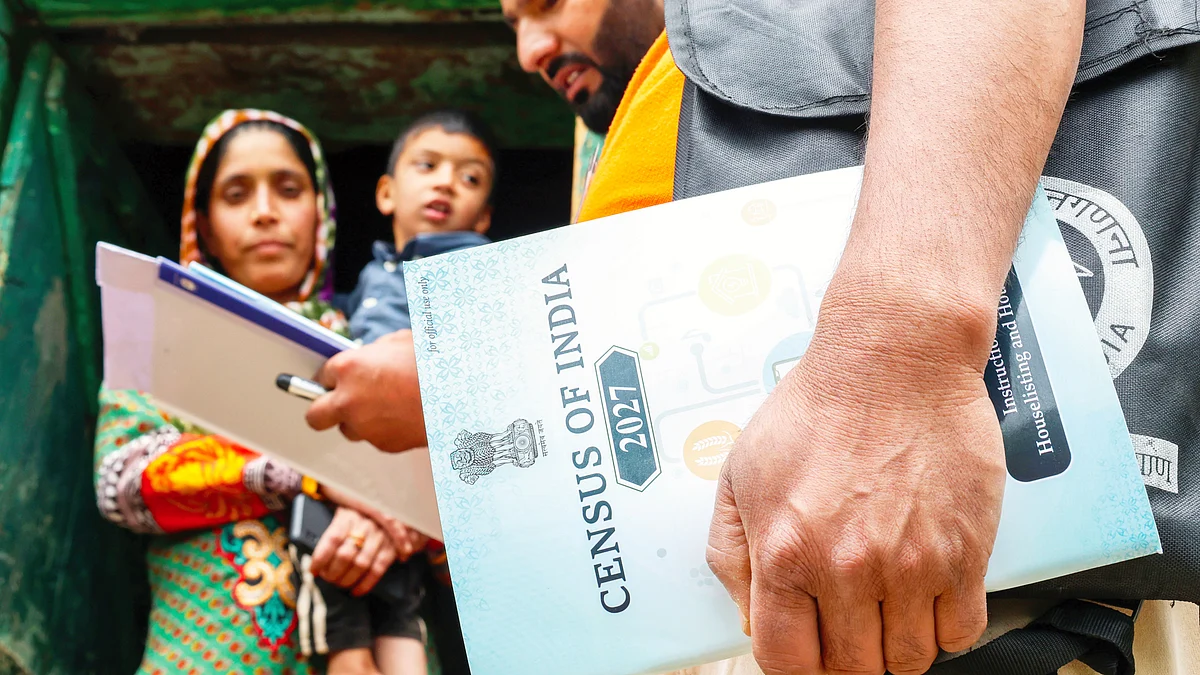
Self-enumeration in the four states runs until November 30. House-to-house enumeration follows from December 1 to January 4, 2027, with a revisional round January 5–9, per a Home Ministry notification issued September 5. The reference date for these states is 00:00 hours on January 5, 2027. For the rest of the country, the portal opens in January and population enumeration is set for February 2027.
The Home Ministry has not answered who prepared the 287-entry list, why it went live, or why it was withdrawn without an explanatory notice. The first major controversy of India’s digital census is now a week old and the questions are still open.
Keep reading

Rajesh Kumar Says Generic Medicine Marketing Must Explain Quality
Generic medicines cost less, but the real marketing challenge is explaining that lower price does not mean lower...

Flu Season Arrives Early, Hospitalizations Hit 15-Year High; Louisiana Only “Very High” State
Flu season has arrived weeks ahead of schedule, pushing hospitalization rates to a 15-year high for mid-October and...

EU Governments Approve Indonesia Trade Deal to Offset Trump Tariffs
European Union governments approved the signing of a long-negotiated trade deal with Indonesia on Wednesday, moving to lock...
Niagara Falls Illuminated Orange for World COPD Day
Niagara Falls will glow orange tonight from 10:15 to 10:30 p.m. The illumination caps a global push built...