
The Indianapolis Colts Face a Pivotal Organizational Reset
As the November 10 NFL trade deadline approaches, the Indianapolis Colts find themselves navigating a period of profound uncertainty. Following the recent departures of high-profile veterans Quenton Nelson and DeForest Buckner, the franchise is in the midst of a significant roster overhaul. With the team sitting at a 2-6 record and already missing their 2027 first-round draft pick, the front office is weighing the future of its remaining core players, most notably star running back Jonathan Taylor.
In a recent column for Stampede Blue, the author notes that the atmosphere surrounding the team has become increasingly strained. The piece argues that the current segment of the season has left many fans feeling a sense of exhaustion, moving beyond the desire for a late-season playoff push toward a more fundamental “we have seen enough” sentiment. This internal frustration follows a string of poor performances, capped by a 42-7 loss to the Jacksonville Jaguars on November 1, a game that saw the team trailing 28-0 by halftime.
The Decision-Making Process Under Scrutiny
The leadership structure of the Colts remains a focal point for observers. Following the dismissal of former general manager Chris Ballard, questions persist regarding who is currently directing the team’s personnel decisions. Stampede Blue highlights a struggle to understand the current hierarchy, specifically the role of those tasked with determining which players remain on the roster while the team searches for a new, permanent direction. There is speculation that ownership is maintaining a degree of distance to allow current administrators to handle the immediate fallout, though the long-term strategy for building the roster remains opaque.
The future of veteran players like Jones is also under debate. While some suggest a total purge, the analysis in Stampede Blue posits that keeping certain veterans who are currently managing physical limitations could be a strategic move. The argument is that a new general manager, once installed, should be given the autonomy to form their own opinion on these players rather than inheriting a roster stripped of all experience. The piece warns against rushing a rookie quarterback or new talent into a volatile environment while the “wounds” from earlier developmental struggles are still fresh.
The Trade Deadline and Long-Term Strategy
The looming deadline has intensified the conversation around Jonathan Taylor. According to reporting from sports.yahoo.com, multiple teams—including the Denver Broncos, Minnesota Vikings, Seattle Seahawks, and the New York Giants—have reportedly expressed interest in the 27-year-old playmaker. The Colts are believed to be seeking compensation equivalent to a first-round pick for the running back, who is under contract through 2028.

The dilemma for the front office is stark. Trading Taylor would provide much-needed draft capital to assist in a rebuild, yet it would simultaneously deprive the offense of its most dependable weapon. This leaves the organization in a difficult position: prioritize the accumulation of future assets or retain a cornerstone player to maintain a semblance of stability for the offense. As sports.yahoo.com notes, public sentiment is shifting, with only 31 percent of surveyed fans expressing confidence in the team’s direction, a sharp decline from previous weeks.
For the remainder of the season, the focus may shift from wins and losses to the evaluation of younger talent. Stampede Blue suggests that the coaching staff, led by Shane Steichen, should prioritize players who demonstrate pride in their craft and effort. By utilizing the bench and practice squad members in low-stakes games, the organization could identify hidden depth that might prove valuable when the team is ready to compete again. While the immediate outlook is grim, the upcoming weeks will likely define the parameters of the team’s rebuild, with every roster move serving as a signal of the organization’s long-term intent.
Related reading

Warm Winds and Rising Temperatures Hit Northern Rockies This Weekend
Billings Weather Shifts Toward Unseasonable Warmth Through the Weekend Residents across the Billings area are bracing for a...

Jefferson City Parks Seeks New Operator for Capital Region Amphitheater
Jefferson City Parks Initiates Search for New Amphitheater Operator The Capital Region Amphitheater is entering a period of...

San Jose Sharks lose 7-2 to Kings and drop six of last seven games
San Jose Sharks Struggle to Find Rhythm Amid Six-Loss Slide It is a difficult reality when a 4-1...
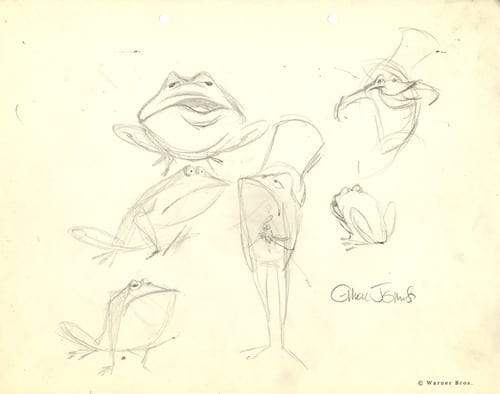
Chuck Jones used realistic animation for Michigan J. Frog
On December 31, 1955, moviegoers across the United States witnessed a debut that defied the conventions of mid-century...