Chinese authorities warn of a high risk of a barrier lake breaching near the Nepal-Tibet border, threatening a second flood downstream. The developing hazard follows a devastating flash flood triggered by a mountain glacier collapse, which left hundreds missing and disrupted rescue operations across the Himalayan region.
Barrier Lake Threatens Upstream Communities After Glacial Collapse
China has issued an urgent warning regarding a dangerous barrier lake that formed after a massive landslide near the Nepal-Tibet border. A barrier lake is a body of water formed when debris dams up a river. According to Chinese state broadcaster CCTV, as many as 558 people are reported missing from Tibet after a massive mudslide hit the border area with Nepal, causing devastating flash floods.
The developing hazard originates from Wednesday’s deadly flash flood in the same area, which scientists say was triggered by the collapse of a mountain glacier into a river. The resulting wall of mud and rock collapsed into the Lhende River near Gyirong at the border between the Tibet region and Nepal, unleashing a sudden surge of water along the Bhote Kosi and Trishuli rivers that washed away houses, roads, and power projects.
The barrier lake formed at the confluence of the Chhochen Khola and Purepu Tsangpo rivers, northeast of the disaster site. According to China’s Ministry of Water Resources, the body of water had already started overflowing on Thursday, prompting authorities in Beijing to flag more geological risk upstream and increase monitoring and assessment of the lake to support rescue activity and prevent secondary events.
Escalating Inflows and Weather Risks Strain Emergency Crews
Officials said that three million cubic metres of water is expected to flow into the lake between Thursday and the weekend, posing a high risk of breach
, with the area also expected to see heavy rain in the coming days according to state media.
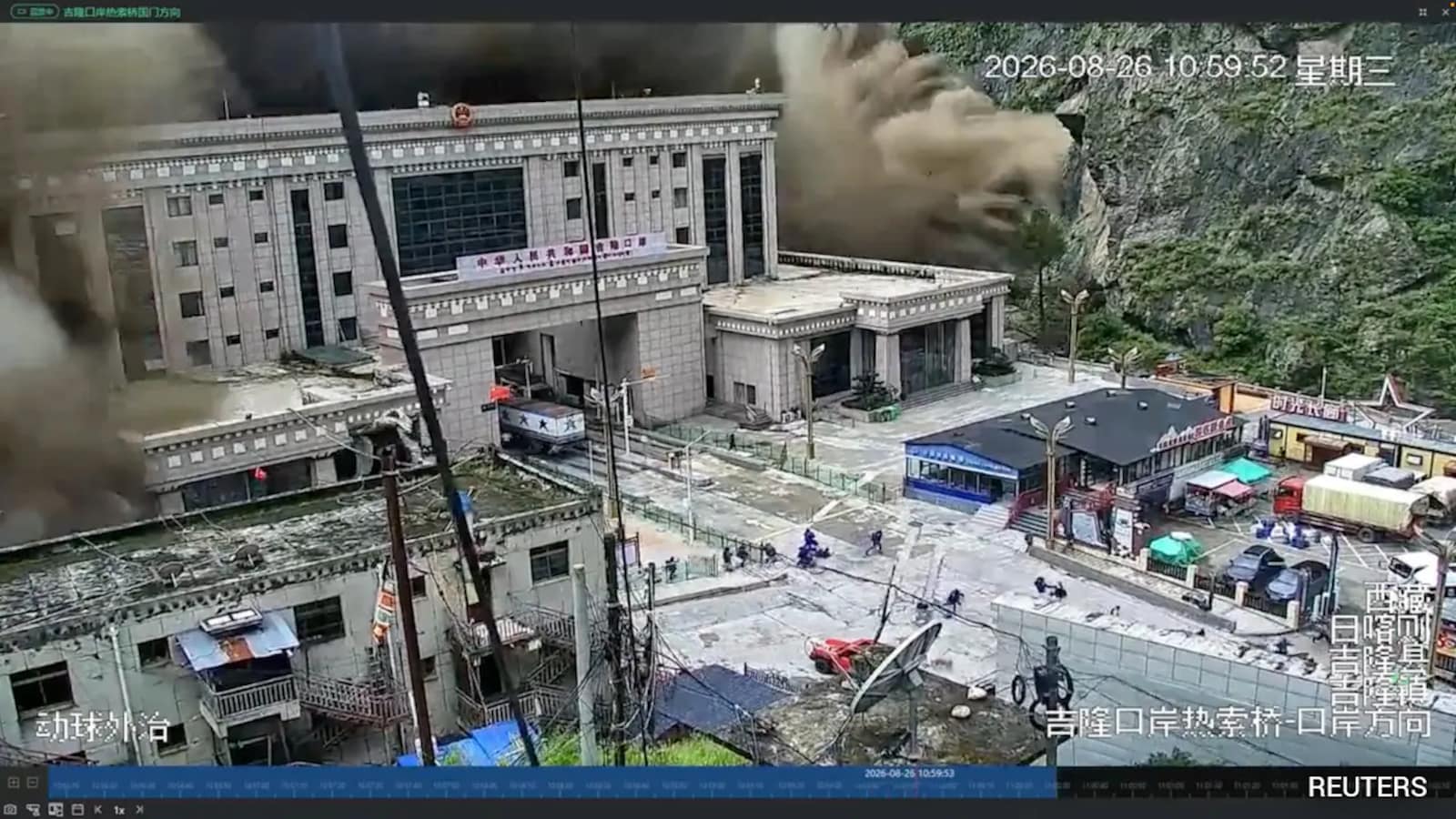
The unfolding crisis compounds the immense human toll already recorded on both sides of the frontier. Chinese state media reported that at least three people have also died after a wall of mud and rock collapsed into the Lhende River. CCTV reported that surrounding villages within danger zones on the Tibetan side have been evacuated and two villagers have been rescued. Meanwhile, neighboring Nepal absorbed the brunt of the initial deluge, triggering a flash flood that killed at least 177 people downstream in Nepal, left hundreds missing, and washed away houses, roads, and power projects.
In addition, China’s Ministry of Foreign Affairs spokesperson Lin Jian said that nearly 100 Chinese citizens were missing on the Nepal side.
Relief Operations Face Severe Logistical Hurdles
Emergency response efforts face profound logistical hurdles as vital infrastructure remains compromised. While electricity supply and communication resumed in the central urban areas in Gyirong town, those linked to the port were cut off, it said.

To combat the disaster, China has meanwhile mobilised fire and rescue teams from Beijing and Chengdu to aid local police and armed forces in relief efforts, while authorities in Beijing have also identified a risk from a barrier lake upstream from the Himalayan border crossing that could complicate rescue efforts.
A Recurring Vulnerability in the Himalayan Ecosystem
The disaster in Nepal and Tibet is not a one-off, and the increasingly unstable Himalayan ice system threatens communities, infrastructure, and water supplies across one of the world’s most densely populated regions.
The region saw similar flash floods in August 2025, when a glacial lake in Tibet overflowed because of high temperatures. Nine people were killed, and critical infrastructure, including a bridge connecting Nepal and China, was damaged.
Worth a look

Saudi Energy Minister Vows Response to Houthi Airport Attacks
Riyadh’s international airport attacks killed 14 people and left skies over the Saudi capital largely empty on October...

Sudan Customs Extends Vehicle Clearance Deadline to December 3
Sudan Customs has extended the customs clearance deadline to December 3, 2026, for vehicles at ports granted exemptions...
Trump Weighs Yemen Strikes After Houthi Attacks Close Saudi Airport
Saudi Arabia closed Riyadh's international airport and reported 12 deaths and 309 injuries after a Saturday missile strike,...

China’s Gold Reserves Grow as Consumer Imports Hit Record Levels
China extended its gold accumulation program in September, boosting official reserves by 23 tonnes while global central banks...