
Death row inmate Christa Pike survived a botched execution attempt in Tennessee after staff struggled with intravenous lines, going through about 10 needles and warning that her veins might be blowing before she received two doses of pentobarbital on September 30.
The execution of 50-year-old Christa Pike at Riverbend Maximum Security Institution in Nashville unfolded over hours of mounting complications, according to a detailed legal motion filed by her attorney, Randy Spivey. State protocol dictates a second dose of pentobarbital if the first proves insufficient to cause death, yet provides no procedural guidance for what happens if an inmate survives both injections.
Needle Struggles and Vein Warnings in the Execution Chamber
Execution team members spent roughly 10 needles attempting to establish working intravenous lines across both of Pike’s arms. While examining her left arm, a team member flagged a potential rupture. At 6:53 p.m., a staffer referred to in court documents as member two expressed fear that a vein might be blowing, prompting the team to discard a 20-gauge needle in search of a longer option.
Doubts persisted in the chamber as the minutes ticked past. At 6:57 p.m., member two repeated that the site might be blowing, while two other team members stated they could not tell. One of them said something like, ‘it’s either blood or blown, I need to know,
Spivey wrote in the filing. After another attempt left a needle severely bent upon removal, a staff member remarked at 7:07 p.m., I think it’s blown.
The team ultimately declared success at 7:13 p.m., taping Pike’s hands down and attaching a heart monitor. Yet records show staff struggled to push saline through the final established site. When the pentobarbital was administered from an adjoining room, Pike voiced acute distress.
I feel like my arm is about to bust. It burns.
Christa Pike, via attorney Randy Spivey
Medical Aftermath and Legal Challenges Over Lethal Injection Protocol
Following the failed September 30 procedure, Pike was rushed to a hospital where she spent several days on a ventilator. Attorneys initially feared she would not survive. She woke from a coma on October 7, asking medical staff where she was before inquiring about the family of her 1995 murder victim, Colleen Slemmer, according to her legal team. She was discharged on October 10 and returned to the Debra K. Johnson Rehabilitation Center.
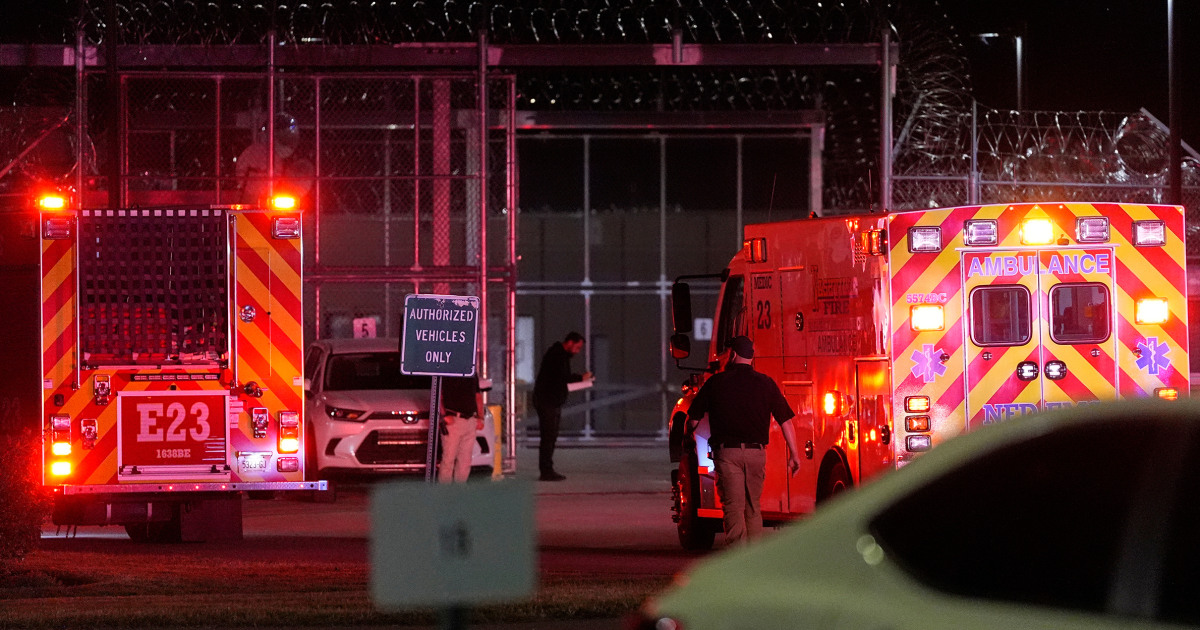
The botched execution sparked chaotic emergency scenes outside the prison walls. Attorney Kelly Gleason personally dialed 911 after prison officials initially dismissed reports of the medical emergency as a false alarm. Nashville dispatch audio revealed a dispatcher telling callers there was no medical assistance needed at Riverbend Prison, delaying first responder access by roughly half an hour until prison staff confirmed the situation at the gates.
In response to the failed procedure, Tennessee Governor Bill Lee paused all state executions for the remainder of the year and appointed former U.S. Attorney Ed Stanton to conduct an independent review. State prison commissioner Frank Strada resigned in the wake of the incident, stating his departure served the best interests of Tennesseans while the investigation moves forward.
Current Recovery Status and Broader Death Row Scrutiny
Nearly a month after surviving the lethal injection, Pike’s physical condition has shown marked improvement. She is speaking in full sentences and walking more independently without assistance, though doctors estimate they need another month or more to evaluate any permanent cognitive or psychological damage from the ordeal.
Spivey’s detailed timeline was submitted as part of a separate legal motion brought by death row inmate Tony Carruthers and other plaintiffs challenging Tennessee’s capital punishment protocol. Attorneys argue the state’s procedures expose prisoners to unconstitutional suffering.
Our predictions about the likelihood of botched executions have come true — and will continue to come true — without substantial change.
Kit Thomas, attorney for the death row plaintiffs
More on Christa Pike
Keep reading

Wicknell Chivayo Gave Sugar Sugar Unregistered Toyota Fortuner
Zimbabwean businessman Wicknell Chivayo’s death has left a tangled web of unpaid car dealer debts and unresolved gifts,...

Haines hit in critical condition
Independent Australian MP Helen Haines remains in critical condition following a deliberate car attack outside her Wangaratta office...

UAE’s Nusseibeh Joins Race for UN Chief
Senior United Arab Emirates diplomat Lana Nusseibeh entered the contest for United Nations secretary-general on October 21, 2026,...

Reports: Israeli jets flew to Iran’s border, some US officials suspect bid to provoke Tehran
Dozens of Israeli fighter jets flew near Iran's border on Monday in a high-stakes military exercise.