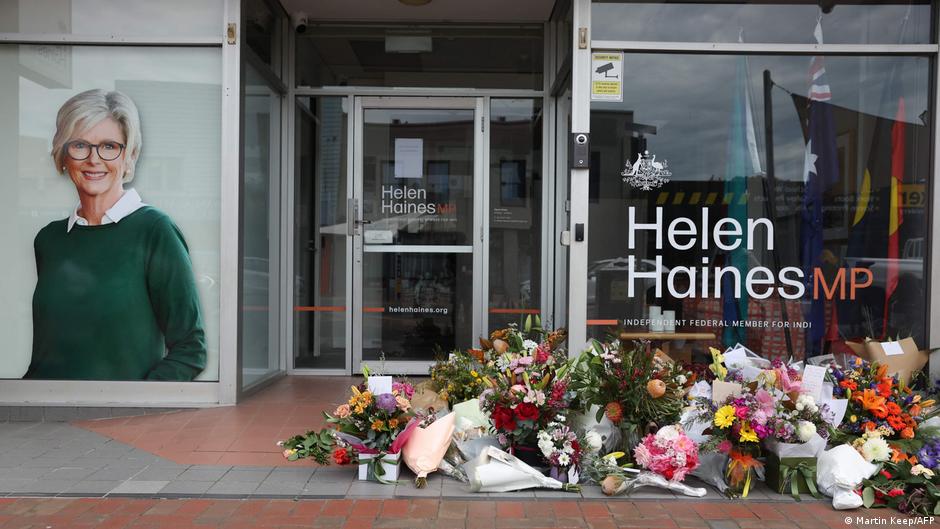
Independent Australian MP Helen Haines remains in critical condition following a deliberate car attack outside her Wangaratta office on October 19, 2026. The 65-year-old lawmaker has suffered double leg amputations. Accused attacker Brendan Nugent appeared in court on October 21 as counter-terrorism investigators probe the motive.
Double Amputation and Hospital Recovery in Melbourne
Independent federal lawmaker Helen Haines lost both legs in hospital after being struck by a vehicle outside her electorate office in Wangaratta, northeast of Melbourne. Her husband, Phil Haines, confirmed that surgeons amputated her left leg on October 19, 2026, and were forced to remove her right leg on October 21 after medical staff were unable to save it.
Speaking to reporters inside The Alfred Hospital in Melbourne, Phil Haines shared an update on his wife’s condition as she remained in critical care.
The good news in all this is Helen is alive and she’s stable. That is the most important thing for our family. We are grateful and thankful that at this stage, both her heart and her mind are in good shape.
Phil Haines, husband
The couple was due to celebrate their 40th wedding anniversary next month just weeks after the horrendous incident. Governor-General Sam Mostyn appeared alongside Phil Haines at the Melbourne hospital, praising the MP’s resilience and appealing to the public to learn or relearn to exercise our muscle of decency.
Brendan Nugent Faces Court as Investigators Weigh Further Charges
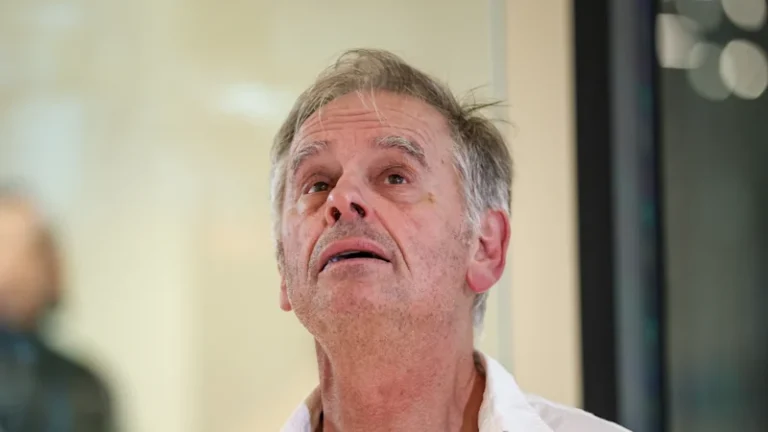
The man accused of the attack, 43-year-old Brendan Nugent from Tarrawingee within the Indi electorate, appeared in Wangaratta Magistrates’ Court on October 21. Staring vacantly from the dock, Nugent did not apply for bail and was remanded behind bars before a scheduled committal mention on February 4.
- Dangerous driving causing serious injury
- Intentionally causing serious injury
- Causing harm to a Commonwealth public official
Additional charges of cannabis cultivation and possession were also laid against Nugent. Defence lawyer Chirag Patel told the court that his client had a concussion and experienced the neurological condition idiopathic transverse myelitis, which Patel stated affected his mental health while unmedicated.
Counter-terrorism authorities joined Victoria Police in investigating the incident. While police allege the attack was targeted and deliberate, officials stated it was treated as an isolated incident. Australian Federal Police Commissioner Krissy Barrett confirmed that no intelligence suggested any threat to the lawmaker prior to the event. Victoria Police Chief Mike Bush noted that detectives were not ruling out laying further serious charges as they examine possible motives.
Bystander Intervention and Outpouring of Community Support
Eyewitness accounts indicate that Dr. Haines was still talking and thanking bystanders immediately after being pinned between vehicles by a white Toyota LandCruiser outside her electoral office. Visitors from Melbourne, Jacob Evans and Jacklyn Black, rushed to assist her.
She was thanking us and calling us beautiful people.
Jacklyn Black, bystander via ODT
Local barber Ricky Jefferies also intervened at the scene, reporting that he removed an object from the suspect’s pocket and held him on the ground until law enforcement arrived. I just leant over him and once he was on the ground and he was no longer a threat, I just stood with him, and I told him that he can’t leave
, Jefferies said.

Community members and public figures responded to the tragedy with widespread donations and tributes. In lieu of flowers, Phil Haines asked well-wishers to support Save the Children Australia, leading to an influx of more than $400,000 within 24 hours. Chief Executive Mat Tinkler described the financial outpouring as humbling and unprecedented for an individual campaign.
Political Safety Concerns Across Australia
Prime Minister Anthony Albanese described the incident as a deliberate act that serves as a test of national character, linking the climate of debate to a broader rise in political polarization. Home Affairs data indicates that harassing and threatening behavior against high office holders rose to 1,067 reports in the most recent financial year, up from 951 previously.
Ministers and crossbench lawmakers noted that rising online abuse and security threats have forced heightened safety precautions. Independent Senator David Pocock has moved residences multiple times due to security fears, while Labor Minister Tanya Plibersek noted that rape and death threats remain a regular occurrence for elected officials.
>
Related reading

UAE’s Nusseibeh Joins Race for UN Chief
Senior United Arab Emirates diplomat Lana Nusseibeh entered the contest for United Nations secretary-general on October 21, 2026,...

Reports: Israeli jets flew to Iran’s border, some US officials suspect bid to provoke Tehran
Dozens of Israeli fighter jets flew near Iran's border on Monday in a high-stakes military exercise.
Haines Critically Injured in Wangaratta, Man Charged
Australian independent MP Helen Haines lost both legs after being struck by a car outside her office in...

Daily_Brief: #Sudanese drone strike kills 153 in disputed #Abyei market, #South_Sudanese official
A drone strike on the Amiet Market fuel depot in the disputed border region of Abyei killed at...