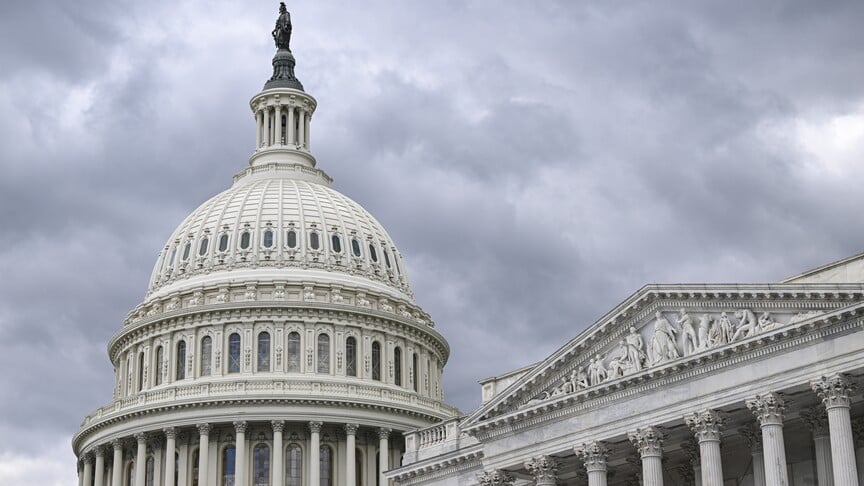
Control of the U.S. Senate hinges on seven battleground races as voters head to the polls on November 3, 2026. Republicans currently hold a narrow 53-seat majority, while Democrats require a net gain of four seats to reclaim the chamber in a polarized midterm election.
With all 435 House seats and 35 Senate contests contested on November 3, the legislative balance of power hangs on a razor-thin margin. Republicans currently hold 53 seats, whereas Democrats and two allied independents command 47 votes, meaning Democrats need a net gain of four seats to secure an outright majority. Public polling averages compiled across the map show Democratic candidates leading by margins ranging from 1 to 5 percentage points in the most fiercely contested states, though many of those advantages remain well within the margin of error.
Historically, the party occupying the White House faces strong headwinds in midterm contests, losing Senate seats in 15 of the 23 midterms held between 1934 and 2022. Forecasting groups like Vote-Scope and the Fred Cornell Senate Forecast have projected diverse outcomes, with some models suggesting Democrats could secure up to 54 seats if favorable trends hold, while analysts such as Echelon Insights founding partner Patrick Ruffini have estimated the probability of a sweeping majority at roughly 1 in 10.
Michigan and Texas Battlegrounds Shape the Democratic Majority Path
The path to a Senate majority runs directly through a mix of defense targets and unexpected offensive opportunities in states that previously leaned reliably conservative. In Michigan, progressive candidate Abdul El-Sayed holds 49% support among likely voters, leading former Republican Representative Mike Rogers at 42% as the state’s Democratic base unifies behind the ticket.
Further south, Texas has emerged as an expensive and volatile battleground. A victory by Talarico would mark the first time Texas has elected a Democratic senator since 1988, though uncommitted voters in the state lean heavily toward the Republican camp.
Tight Contests in Maine, Kansas, and Iowa Test the Limits of the Map
In Maine, long-serving Republican incumbent Susan Collins faces a stiff challenge from former state Senate President Troy Jackson. While Jackson’s backers report higher enthusiasm, deep-pocketed outside advertising has helped Collins narrow the gap in a race where more than 9 in 10 likely voters say their preferences are firmly locked.

Meanwhile, Kansas presents an unexpected test for the GOP firewall. Democratic challenger Adam Hamilton leads incumbent Roger Marshall by 1 percentage point, driven by voter concerns over cost-of-living issues.
Independent Spoilers and the Prospect of a 50-50 Split Senate
Complicating calculations for both parties are third-party candidates and independent challengers. In Nebraska, independent candidate Dan Osborn leads Pete Ricketts 46% to 45% in a tight poll within the margin of error. Because Osborn has declined to commit to caucusing with either major party, his potential victory introduces uncertainty into how a narrow majority would function.

Analysts note that if the final tally results in an even 50-50 split, control of the chamber would ultimately rest with Vice President JD Vance casting tiebreaking votes for Republicans.
Related reading
- A Song of Grief and Union in “Lincoln in the Bardo” | The New Yorker
- Partly to mostly cloudy and chilly with areas of dense freezing fog on Thursday – KRTV
- Two Points Anywhere in the Last Five Races Make Antonelli F1 Champion (daybreakwire.com)
- Closed-Loop Control of Spinal Cord Blood Flow Following Acute Injury (world-today-news.com)

A Song of Grief and Union in “Lincoln in the Bardo” | The New Yorker
Missy Mazzoli’s “Lincoln in the Bardo” Opens at the Metropolitan Opera The sixth opera by American composer Missy...
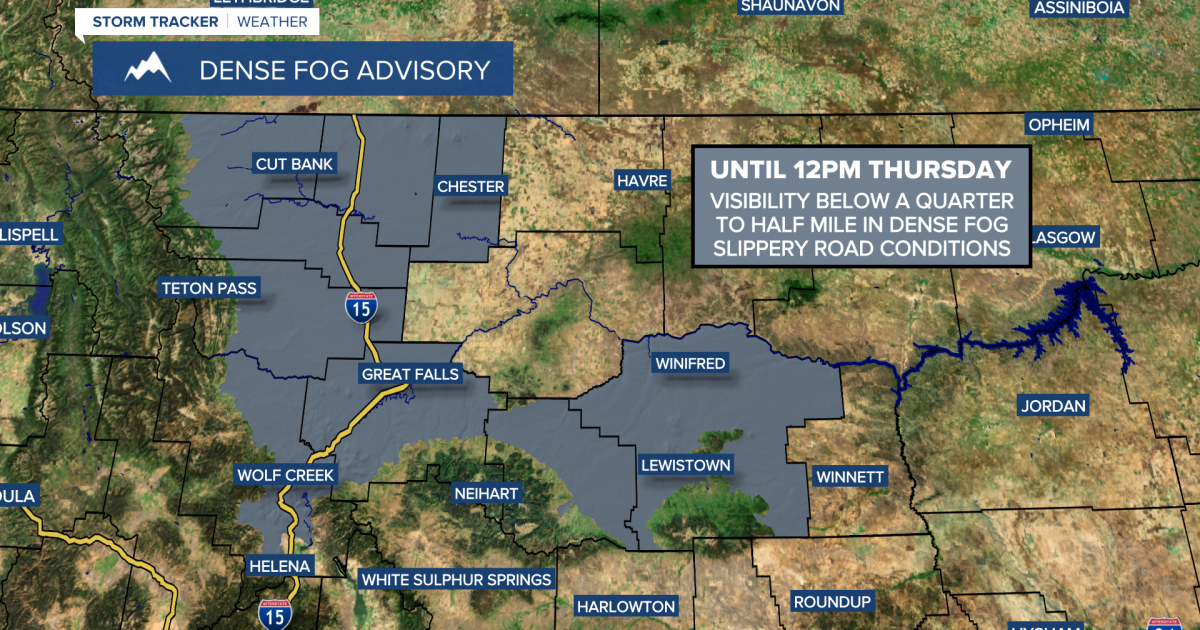
Partly to mostly cloudy and chilly with areas of dense freezing fog on Thursday – KRTV
Morning Commute Snarled by Dense Freezing Fog Dense freezing fog settled across north-central Montana on Thursday morning, reducing...
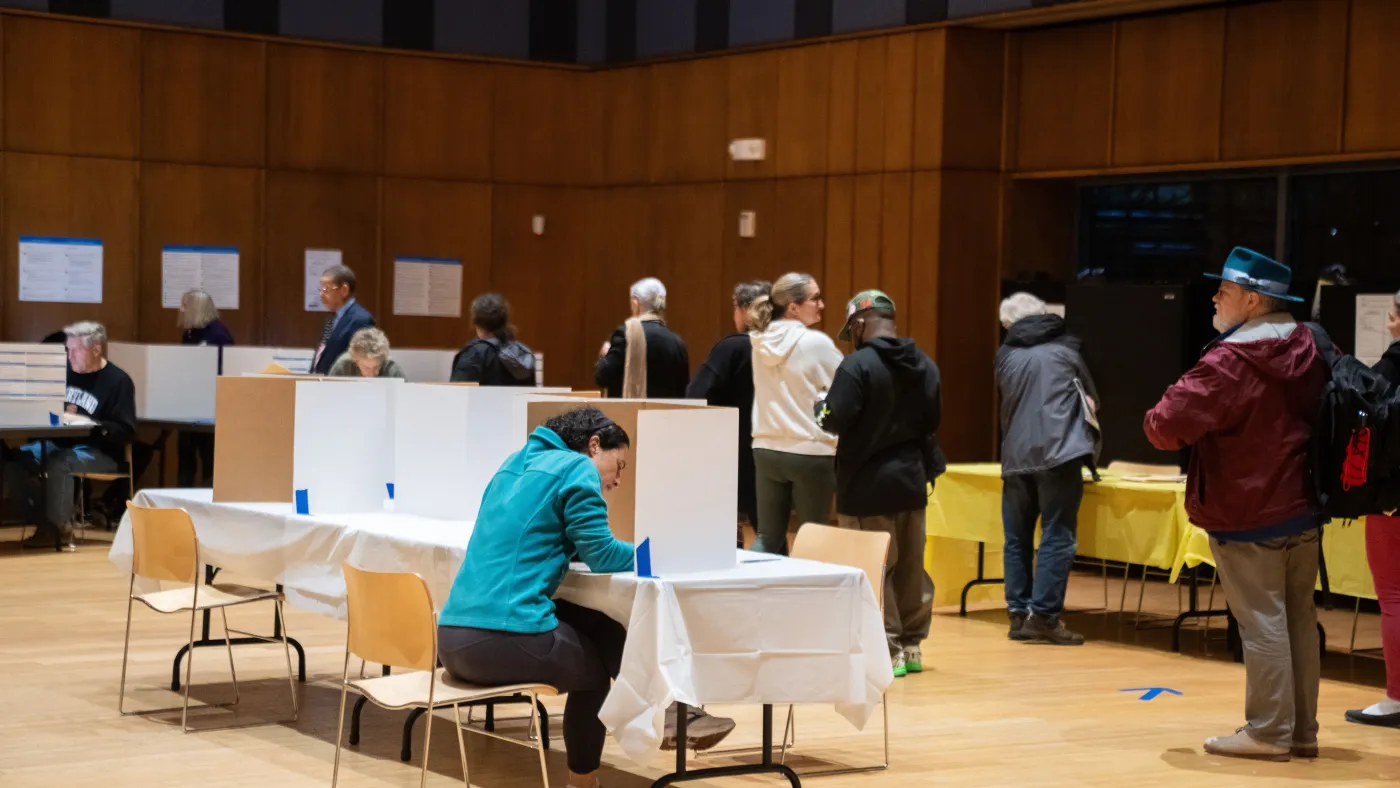
State ballots let voters decide on abortion, taxes, transgender restrictions – NPR
Early voting scenes in Maryland feature decisions on congressional redistricting, but that choice is just one piece of...
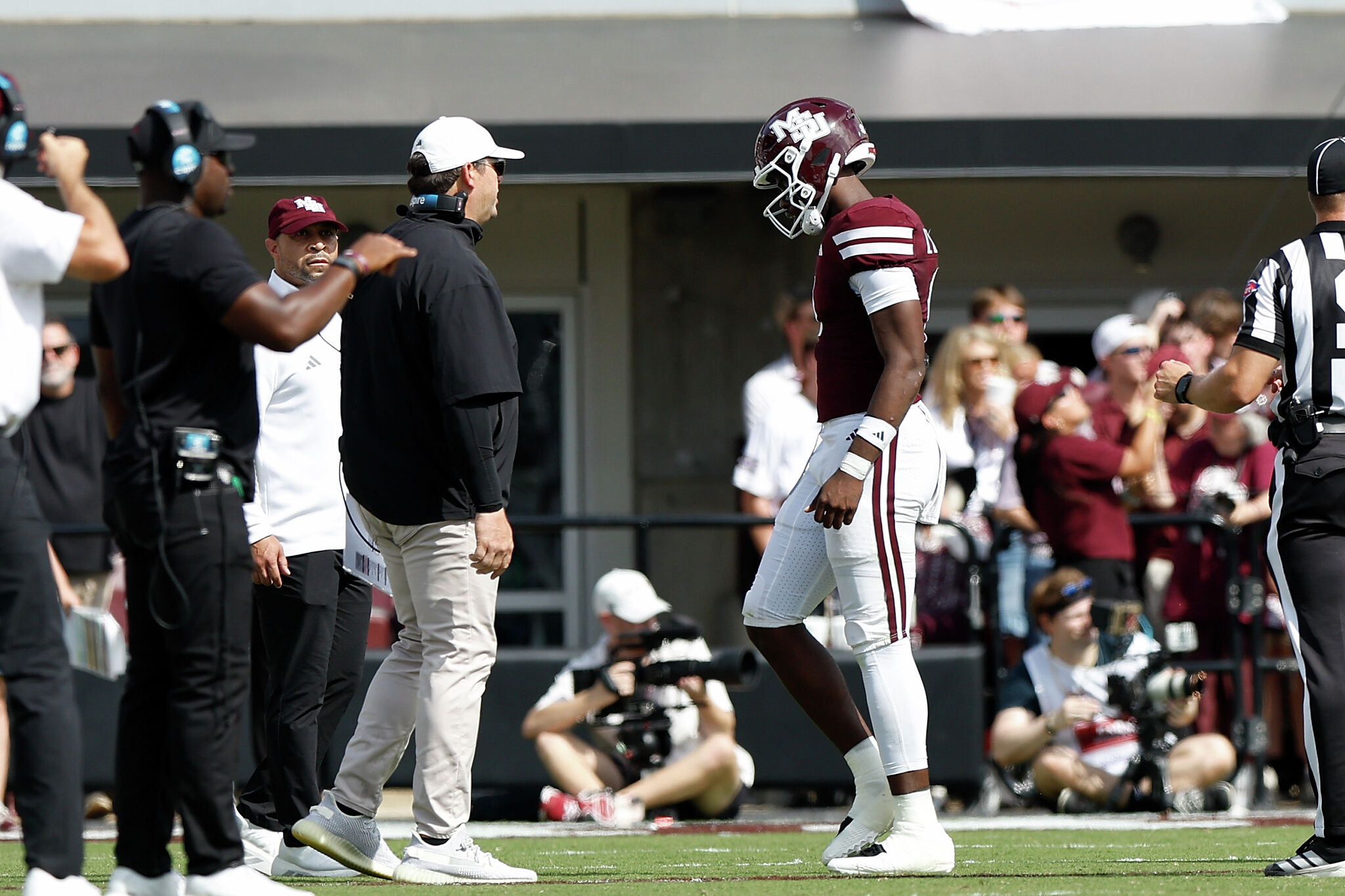
Texas football: Star QB Kamario Taylor out for Mississippi State – Austin American-Statesman
Mississippi State Loses Star Quarterback Kamario Taylor for the Rest of the Season Mississippi State will play the...