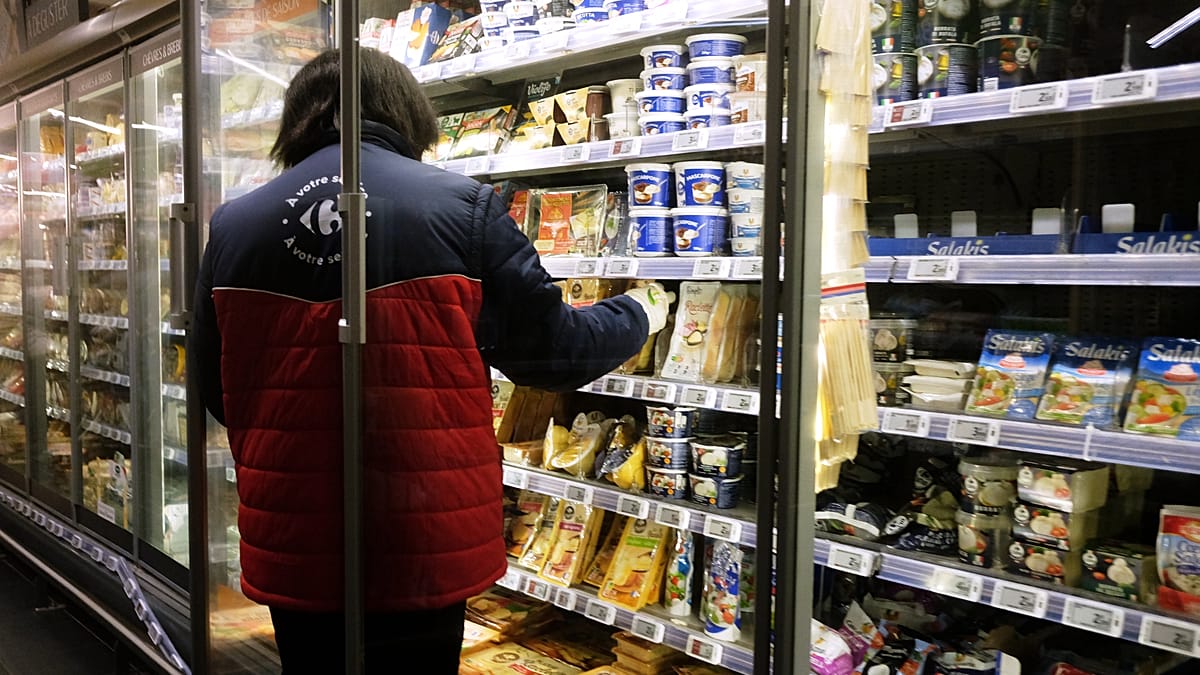
The stability of Europe’s cold-chain infrastructure suffered a coordinated blow on November 2 and 3, as hackers remotely compromised internet-connected refrigeration systems across nine countries. According to reporting by Euronews, the intrusion forced commercial supermarkets to discard massive volumes of spoiled produce after attackers forced temperatures as high as 50 degrees Celsius. The breach extended beyond retail, impacting sensitive medical infrastructure, including French blood banks.
The Bottom Line:
- Systemic Reconnaissance: Cybersecurity firm Lupovis identified a 10-day probing window peaking on October 26, involving 276 distinct attempts from 91 threat actors targeting Danfoss refrigeration controllers.
- Operational Technology (OT) Risk: The attacks exploited factory-default credentials—such as “Username: Supervisor” and “Password: 12345″—on devices directly exposed to the public internet rather than secured via Virtual Private Networks (VPNs).
- Economic Disruption: While individual losses are currently being tabulated, the broader impact involves significant margin compression for European retailers and potential supply-chain volatility in the medical sector.
The Anatomy of a Supply Chain Breach
The attack vector was alarmingly rudimentary. Rather than utilizing sophisticated zero-day exploits, the adversaries relied on basic password spraying and the exploitation of known, unpatched vulnerabilities in Danfoss AK-SM refrigeration managers. As noted by George Nott, technology editor at The Grocer, the attackers simply identified login pages exposed to the open internet. This highlights a critical oversight in industrial security: the tendency to prioritize the protection of payment systems and customer data while leaving the “operational technology” (OT) that keeps physical assets running as an afterthought for facilities management teams.

The incident has triggered a cross-border regulatory response. While Belgium, Italy, Portugal, Estonia, and Luxembourg have officially characterized the events as a cyberattack, other nations, including Ireland and Sweden, have adopted the more cautious label of “cyber incident.” The European Union’s Agency for Cybersecurity (ENISA) has stopped short of formal attribution, as documented in their official joint statement regarding the disruptions.
The Main Street Bridge: From Freezers to 401ks
For the average American investor or consumer, these events serve as a volatile reminder of how fragile “just-in-time” supply chains have become. When a refrigeration controller in Europe fails, it is not merely an isolated loss of inventory; it is a signal of latent risk in global logistics. If similar vulnerabilities exist in U.S. military bases—which saw their own refrigeration outages in August—the potential for localized price spikes in perishable goods and medical supply shortages becomes a tangible risk factor for institutional portfolios.
“These fragile cold-chain systems are too critical to fail, but we keep experiencing hard lessons,” says Josh Corman, executive-in-residence for public safety and resilience at the Institute for Security and Technology.
The Cybersecurity and Infrastructure Security Agency (CISA) has now joined federal partners in issuing a joint notice, warning that refrigeration systems across agriculture and healthcare remain prime targets. Market participants should monitor for increased capital expenditure (CapEx) requirements as retailers are forced to accelerate the adoption of hardened, encrypted, and segmented network architectures to meet compliance mandates like the EU’s NIS2 Directive.
Smart Money Tracker: The Shift Toward Hardened Infrastructure
Institutional sentiment is rapidly shifting toward the “security-by-design” mandate. Professional investors are beginning to scrutinize the ESG and operational risk profiles of firms that fail to treat physical infrastructure as part of their core attack surface. The use of “bulletproof hosting” by suspected actors—services explicitly designed to resist law enforcement takedowns—suggests an adversary with significant resources and a clear intent to destabilize.
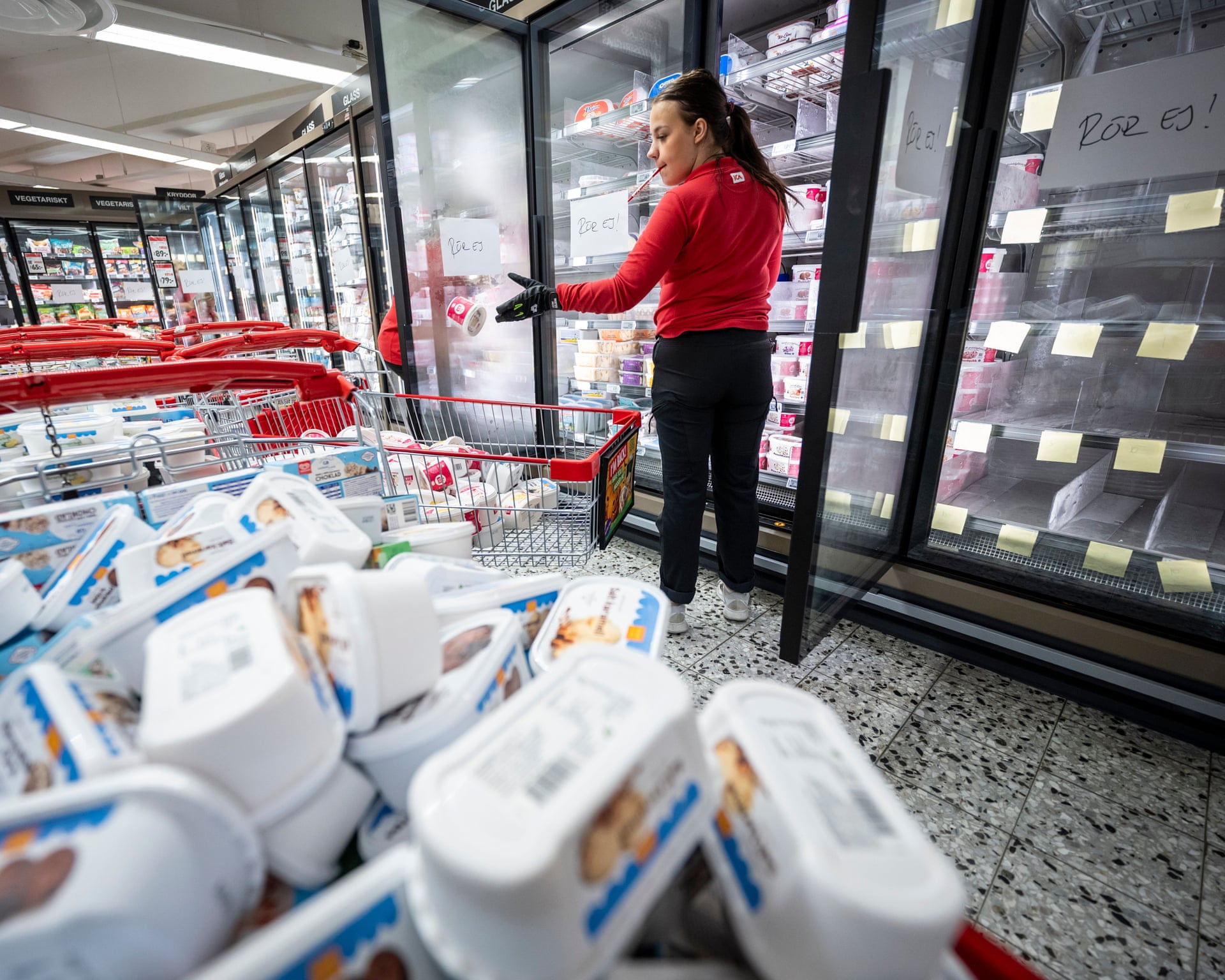
As Gianni Cuozzo, founder of Italian cybersecurity firm Exein, noted, the integration of AI into these attacks is collapsing the time between vulnerability discovery and exploitation. Manufacturers of industrial equipment face a daunting path forward: they must now ensure that devices deployed for years in the field can defend themselves at runtime, regardless of whether a patch has been pushed. The market will likely reward firms that pivot toward self-defending, automated, and air-gapped systems, while those relying on legacy, internet-exposed controllers may face significant liability exposure.
The identity of the perpetrators remains the most significant unknown. While Lupovis has traced digital breadcrumbs to hosting providers previously associated with Russian groups, the firm cautions that server location does not equate to nationality. As European nations continue to navigate hybrid threats ranging from GPS interference to subsea cable damage, the refrigeration hacks stand as a visible, albeit costly, warning that the digital-physical divide has effectively vanished.
Disclaimer: The information provided in this article is for educational and market analysis purposes only and does not constitute financial, investment, or legal advice. Always consult with a certified financial professional before making investment decisions.
Related reading

Check, Please! Arizona features Phoenix’s international dining scene
Global flavors arrive in Phoenix through local dining You don't need a passport to experience the diverse culinary...

Madison voter Terri Lachance referred for review after attempted second vote
The Madison Voter Who Tried to Beat the System When Terri LaChance walked back into her Madison polling...

Ron DeSantis Denies Washington Post Reports of 2028 Presidential Bid
The 2028 Speculation and the Governor’s Rebuttal Florida Governor Ron DeSantis took to social media this past Friday...

Virginia Beach prepares for Tunnel to Towers 5K Run & Walk
The Tunnel to Towers 5K Run & Walk in Virginia Beach serves as a local extension of a...